

 DACH
DACH
 FR-BE
FR-BE
 US-CAN
Herbal Remedies and ADHD: What the Evidence Shows
Brainzyme® Team
Herbal remedies for ADHD are a growing area of interest, with plants such as ginkgo biloba, panax ginseng, matcha green tea, and turmeric studied for their potential to support cognitive function, attention, and mental clarity. This article explains what the research shows, which herbs are most discussed, and how lifestyle factors fit into the picture.
- Several herbs — including ginkgo biloba, panax ginseng, matcha, and turmeric — are studied for their potential to support brain function and attention.
- No herb is a clinical treatment for ADHD; they are explored as nutritional and lifestyle support.
- Combining herbs with vitamins, minerals, and healthy habits is how most people approach a natural focus routine.
- Always consult a healthcare professional before adding new herbs or supplements, especially alongside existing medication.
- Plant-based supplement formulas bring several of these researched herbs together in one convenient format.
What are herbal remedies, and why do people explore them for ADHD?
Herbal remedies are plant-derived preparations — extracts, powders, or capsules — used to support health and wellbeing. People with ADHD, or those who suspect they may be neurodivergent, sometimes look into herbal options as part of a broader lifestyle approach, particularly when they want to support day-to-day focus and mental energy through nutrition rather than, or alongside, other strategies.
Interest in this area has grown partly because many of these plants have long histories of use in traditional medicine systems — Chinese, Ayurvedic, and European — and partly because modern researchers have begun examining their mechanisms in more detail.
What causes the focus and attention difficulties associated with ADHD?
ADHD (attention deficit hyperactivity disorder) is a neurodevelopmental condition characterised by differences in dopamine and noradrenaline signalling in the brain, which affects attention regulation, impulse control, and working memory. It is not simply a matter of willpower or diet.
That said, nutritional status does influence brain chemistry. Deficiencies in certain micronutrients — zinc, iodine, B-vitamins, and choline, for example — are associated with reduced cognitive performance in the general population. This is one reason why nutrition-focused approaches attract interest from people looking to support their mental performance day to day.
Which herbs are most studied for supporting focus and brain function?
The following five herbs appear most frequently in the research literature on cognitive support and attention. None of these is a treatment for ADHD, but each has a distinct nutritional or phytochemical profile worth understanding.

Ginkgo Biloba is one of the world's oldest tree species and has been used in traditional Chinese medicine for centuries. Modern research has examined its flavonoid and terpenoid content for potential effects on circulation to the brain, memory, and sustained attention. It is among the most widely studied botanical ingredients in cognitive nutrition.
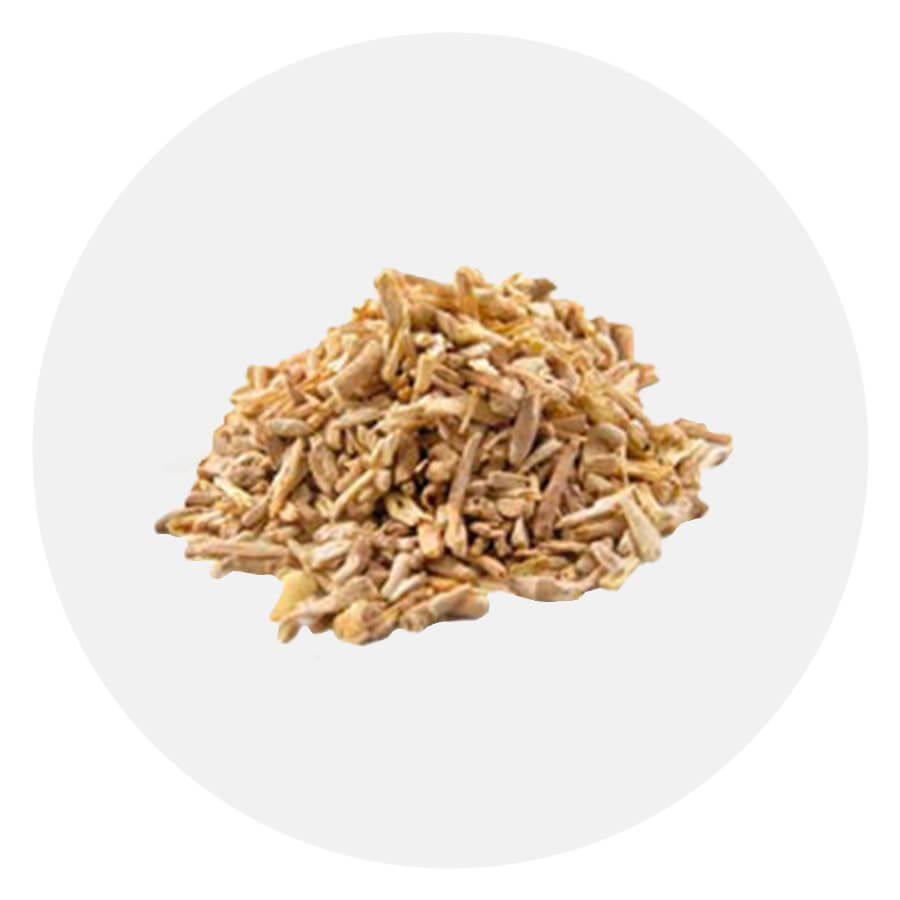
Panax Ginseng contains active compounds called ginsenosides, which researchers have studied for their influence on the central nervous system and stress response. It is classified as an adaptogen — a plant thought to help the body maintain balance under physiological stress — and is of interest for its potential role in supporting mental energy and cognitive stamina.

Matcha Green Tea is rich in EGCG (epigallocatechin gallate), polyphenols, and L-theanine. L-theanine is an amino acid associated with calm, focused mental states, and it works alongside the natural caffeine in matcha to support alert attention without the sharp edge that caffeine alone can produce. This combination is one of the more well-characterised pairings in cognitive nutrition research.

Turmeric contains curcumin, its principal bioactive compound. Curcumin has been studied for its antioxidant properties and potential to support working memory and attention in adults. Its bioavailability is notably improved when taken alongside piperine (black pepper extract), which is why the two are often combined in supplement formulas.

Maca Root is a Peruvian adaptogen that has been studied for its potential to support energy, mood, and cognitive function under stress. Some research suggests it may support memory and mental stamina, though the evidence base is still developing compared with ginkgo or ginseng.
What other herbs do people explore for ADHD-related focus?
Beyond the five above, a handful of other botanicals come up regularly in discussions about natural cognitive support.
- Ashwagandha — an Ayurvedic adaptogen studied for stress and anxiety responses. Research on its specific effects in the context of ADHD is limited, but some people explore it for its potential to support a calmer mental state.
- Rhodiola Rosea — another adaptogen, studied for mental fatigue and sustained cognitive performance under stress.
- Bacopa Monnieri — a traditional Ayurvedic herb with a growing body of research into memory consolidation and attention.
- Lion's Mane Mushroom — a functional mushroom studied for nerve growth factor support and cognitive health, though human evidence is still early-stage.
None of these are ingredients in the Brainzyme® range; they are discussed here purely for educational context.
How can you build a herbal focus routine? A practical approach
A structured, consistent approach tends to work better than ad hoc supplementation. Here is a sensible starting framework.
- Consult a healthcare professional first. This is especially important if you are already taking medication or have a diagnosed condition. Some herbs interact with prescription drugs.
- Identify your primary goal. Are you looking to support sustained attention, reduce mental fatigue, or support memory? Different herbs have different research profiles — knowing your goal helps you prioritise.
- Start with one or two herbs, not a dozen. Introducing multiple new substances at once makes it impossible to know what is helping (or causing any side effects).
- Choose a quality-assured product. Look for GMP (Good Manufacturing Practice) certification, clear ingredient labelling, and third-party testing. Vegan, allergen-free formulas are widely available.
- Pair supplementation with lifestyle habits. Regular aerobic exercise, consistent sleep, and a diet rich in whole foods all support brain function independently. Herbs work best as part of this wider picture, not as a standalone fix.
- Give it time and track your experience. Most plant-based ingredients require consistent use over several weeks before any effects on focus or mental energy become noticeable.
- Review and adjust. After four to six weeks, assess whether the approach is working for you. Adjust dosage, timing, or formula with professional guidance if needed.
How do plant-based supplement formulas bring these herbs together?
Rather than sourcing and dosing individual herbs separately, some people opt for a multi-ingredient formula that combines several researched botanicals with supporting vitamins and minerals. The Brainzyme® range is one example: its formulas are built around a core of matcha green tea (providing EGCG, polyphenols, and natural L-theanine), guarana, choline, bromelain, piperine, and key micronutrients including B-vitamins, zinc, and iodine.
The three formulas — FOCUS ORIGINAL™, FOCUS PRO™, and FOCUS ELITE™ — differ in their headline active ingredients, so the choice between them depends on which combination of botanicals suits your needs. All are vegan, gluten-free, allergen-free, GMO-free, and manufactured to GMP standards.
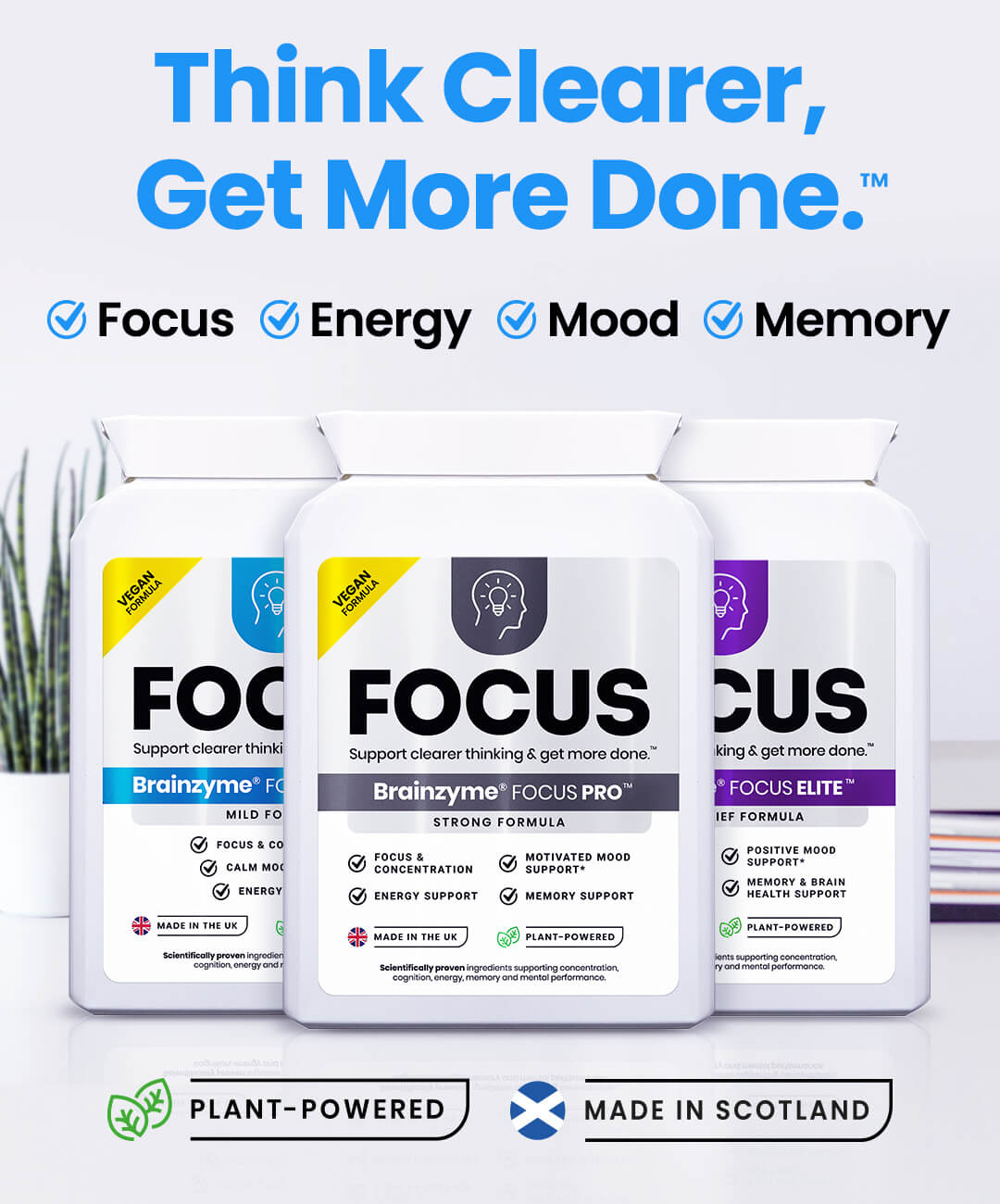

Brainzyme® FOCUS ELITE™
Plant-powered brain nutrition for calm, stress-free focus and a positive mood. Vegan, GMP-certified, made in Scotland.
*Mood claims are anecdotal.
See FOCUS ELITE™Also in the range: Brainzyme® FOCUS ORIGINAL™ · Brainzyme® FOCUS PRO™
Herb comparison: what does the research focus on?
| Herb | Traditional origin | Key compounds | Primary research focus |
|---|---|---|---|
| Ginkgo Biloba | Traditional Chinese Medicine | Flavonoids, terpenoids | Memory, attention, cerebral circulation |
| Panax Ginseng | Traditional Chinese / Korean Medicine | Ginsenosides | Mental energy, stress response, CNS support |
| Matcha Green Tea | Japanese / Chinese tradition | EGCG, L-theanine, polyphenols | Calm focus, antioxidant support, attention |
| Turmeric (Curcumin) | Ayurvedic tradition | Curcumin | Working memory, antioxidant activity |
| Maca Root | Peruvian traditional use | Glucosinolates, macamides | Energy, mood, cognitive stamina |
| Ashwagandha | Ayurvedic tradition | Withanolides | Stress response, anxiety, sleep quality |
| Bacopa Monnieri | Ayurvedic tradition | Bacosides | Memory consolidation, learning |
Frequently asked questions about herbal remedies and ADHD
Which herbs are most commonly explored for supporting focus in people with ADHD?
Ginkgo biloba, panax ginseng, matcha green tea, turmeric, and maca root are the most frequently discussed in the research literature. Each has a distinct mechanism: ginkgo for cerebral circulation and attention, ginseng for mental energy and stress adaptation, matcha for calm focus via L-theanine and EGCG, turmeric for antioxidant and memory support, and maca for cognitive stamina. None of these is a clinical treatment for ADHD, but they are studied as part of nutritional approaches to cognitive support.
Is ashwagandha useful for ADHD-related stress and anxiety?
Ashwagandha is an adaptogenic herb with a reasonable body of research behind its potential to support the body's stress response and reduce feelings of anxiety. Some people with ADHD explore it for this reason. However, the evidence specifically in ADHD populations is limited, and individual responses vary. It is not an ingredient in the Brainzyme® range, but it is worth discussing with a healthcare professional if you are considering it.
Can herbal remedies replace ADHD medication?
No. Herbal remedies are nutritional and lifestyle tools, not clinical treatments. If you have a diagnosis and are prescribed medication, do not stop or adjust it without medical guidance. Herbs and plant-based supplements are explored as complementary nutritional support, not as replacements for established medical care.
How long do herbal supplements take to have any noticeable effect on focus?
This varies by herb and individual. Some ingredients — such as the L-theanine and natural caffeine in matcha — may have a relatively prompt effect on alertness and calm focus. Adaptogens like ginseng and maca are generally considered to work over a longer period of consistent use, often several weeks. Tracking your experience over four to six weeks gives a more reliable picture than judging after a few days.
Are plant-based focus supplements safe for adults with ADHD?
Most well-formulated, GMP-certified plant-based supplements are considered safe for healthy adults when taken as directed. That said, some herbs interact with medications — ginkgo biloba, for instance, has known interactions with blood-thinning drugs. Always consult a healthcare professional before starting any new supplement, particularly if you are already taking prescription medication for ADHD or any other condition.
Conclusion
Herbal remedies for ADHD sit firmly in the nutritional and lifestyle space rather than the clinical one. Plants like ginkgo biloba, panax ginseng, matcha green tea, turmeric, and maca root each have distinct phytochemical profiles that researchers continue to study for their potential to support cognitive function, attention, and mental energy. Used thoughtfully — alongside good sleep, regular exercise, and a balanced diet — they form part of a sensible, plant-forward approach to daily brain nutrition.
If you are considering adding herbs to your routine, start with professional guidance, choose quality-assured products, and give any new approach adequate time before drawing conclusions.
References
- ADDitude Editors (2022). 10 Foods (and Supplements and Vitamins!) to Boost Your ADHD Brain. ADDitude. https://www.additudemag.com/adhd-supplements-foods-vitamins/
- Story, C. M. (2022). The 6 Best Herbs for ADHD Symptoms. Healthline. https://www.healthline.com/health/adhd/herbal-remedies
- The Holistic Approach to ADHD: Herbal Remedies for ADHD. (2021). EcoParent. https://www.ecoparent.ca/eco-wellness/holistic-approach-adhd-herbal-remedies-adhd
About the author
Brainzyme® Team regularly contribute tips, advice, and evidence-based findings to the Brainzyme® blog.


