
 DACH
DACH
 FR-BE
FR-BE
 US-CAN

Welcome to one of the most powerful (and overlooked) study techniques you'll ever use. The generation effect is simple: try to answer before you peek at the solution. That brief stretch of effort—even if you get it wrong—creates a stronger memory than passively reading the answer. It's like giving your brain a hook to hang the new information on.
Let's break down how to use this four-step method for any topic you're learning. Each step builds on the last, turning short bursts of effort into long-term recall.
Face the Question
Before you do anything else, look at the question or problem in front of you. Don't rush to the answer section or flip to the solutions page. Just sit with the question for a moment. Let your brain recognise what's being asked. This first step is about acknowledging the challenge and setting the stage for active learning.
- Open your textbook or notes to a question you need to learn
- Read the question carefully, without glancing at the answer
- Take a breath and prepare to engage your memory
Try to Answer
Now comes the magic moment. Cover the answer with your hand or a piece of paper, then try to answer from memory. You're not aiming for perfection here—you're building a mental pathway. Even a rough attempt is better than none. Your brain is actively searching for the information, and that search process itself strengthens your memory.
- Write down your best guess, even if you're not sure
- Say your answer out loud to engage more of your brain
- Don't worry if it feels awkward—that struggle is the learning
Check the Answer
Once you've made your honest attempt, it's time to look. Compare your answer to the correct one. This is where the connection happens. Your brain takes the path it just built (your attempt) and smooths it out with the right information. The correct answer now has somewhere to land, making it far more likely to stick than if you'd simply read it passively from the start.
- Remove your hand and read the correct answer
- Notice the differences between your attempt and the real answer
- Allow yourself that 'aha!' moment of understanding
Make It Stick
The final step is about confidence. You've tried, checked, and now you know. That knowledge feels more solid because you've earned it through effort. The generation effect means your brain has created a stronger trace, making it easier to retrieve this information later. You're not just memorising—you're building lasting understanding.
- Take a moment to feel satisfied with your learning
- Move on to the next question and repeat the process
- Trust that this method is working, even when it feels effortful
This technique works for any subject. Before a lecture, skim the questions and jot down your guesses. While revising, cover sections and try to explain concepts out loud. The key is making that honest attempt before you check yourself. Short, focused tries followed by immediate feedback—that's your formula for knowledge that lasts.
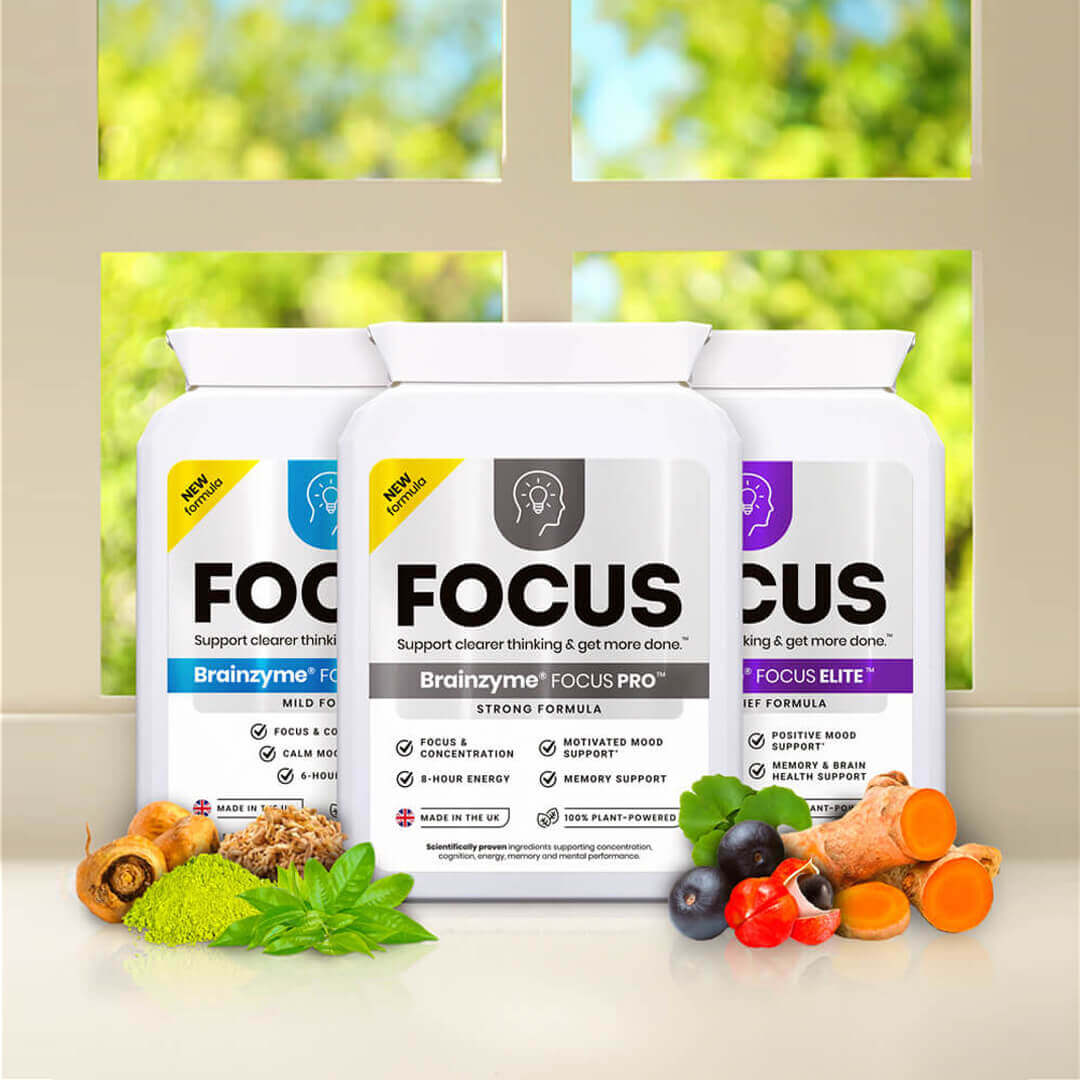
At Brainzyme, we understand that effective learning requires both smart techniques and the right support. Our scientifically proven plant-powered focus supplements are designed to help you maintain the concentration you need during these active study sessions. Discover how our natural formulas can support your learning journey: www.brainzyme.com