
 DACH
DACH
 FR-BE
FR-BE
 US-CAN

Welcome to a study method that transforms confusion into confidence. The answer-debate-answer approach takes your solo learning and supercharges it through peer collaboration. This isn't about simply comparing notes—it's about testing your thinking, exposing blind spots, and building understanding that actually sticks. Ready to level up your study sessions?
Why This Method Works
The power lies in the sequence. When you commit to an answer before discussing with anyone else, you make a clear bet on what you know. That commitment transforms the feedback you receive from vague to meaningful. The debate that follows is like holding your idea up to the light from different angles. You hear another path to the answer, or you discover a step you skipped. Either way, your brain updates the map, and the right route gets easier to find next time.
This method forces retrieval and reveals misunderstandings in real-time. Saying your reasoning out loud activates different neural pathways than silent review. Quick feedback and comparison help you recalibrate what you really know and where you need work. You'll feel more certain for a good reason—you tested your thinking, not just your memory.
Answer on Your Own First
Give yourself a question and commit to an answer before you speak to anyone. This step is non-negotiable because it creates the foundation for genuine learning. Pick a short problem or concept—a definition, a diagram, a case study, anything you can explain in about a minute. Write down your answer or say it aloud to yourself. The key is making that initial stake in the ground. Without this solo commitment, the discussion becomes passive information gathering rather than active learning.
Debate Your Reasoning With a Peer
Now the fun part begins. Swap answers with your study buddy and each of you explains your reasoning. Try to change the other person's mind. This isn't about winning—it's about exposing the gaps that solo cramming can't catch. Listen carefully to their path through the problem. Where did they go differently? What did they notice that you missed? Keep it low stakes and conversational. The debate forces you to retrieve information under pressure and confront blind spots in real-time.
Answer Again to Lock It In
Finally, each person answers the same question again. This third step completes the learning cycle. You've now retrieved the information, explained your reasoning, heard alternative approaches, and refined your understanding. That second answer tends to be sharper, more accurate, and more confident. The entire cycle takes just a few minutes, but the impact on your long-term retention is significant.
Use this method once or twice per topic. You'll notice that confidence you feel isn't false optimism—it's earned through the process of retrieving and refining your reasoning. That kind of understanding holds up later because you built it actively, not passively.
Support Your Brain With Brainzyme
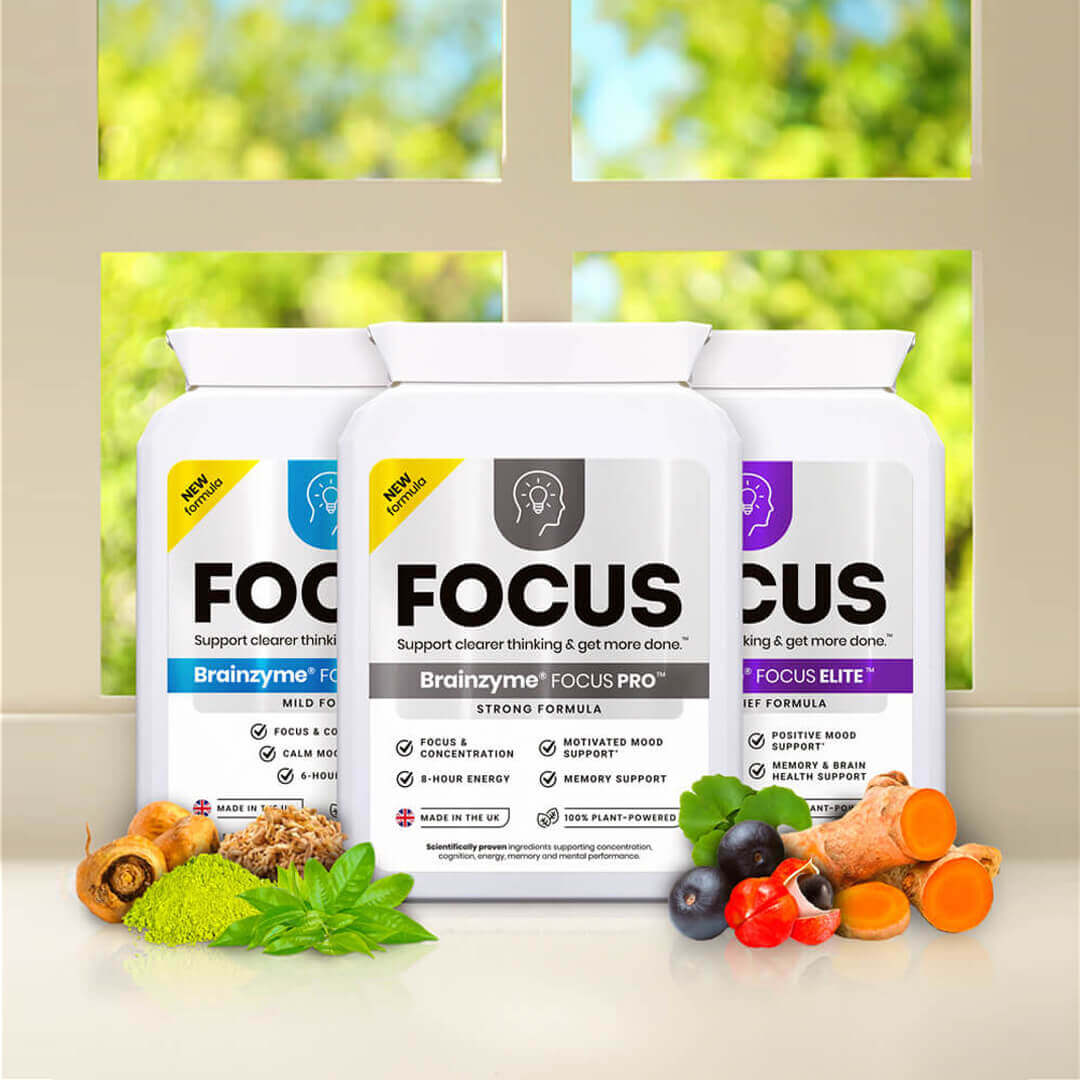
Whether you're tackling complex study sessions or need consistent focus throughout the day, sometimes your brain needs extra support. Brainzyme offers scientifically proven plant-powered focus supplements designed to help you stay sharp and productive when it matters most.
Discover how Brainzyme works and find the right formula for your needs at www.brainzyme.com