
 DACH
DACH
 FR-BE
FR-BE
 US-CAN

Welcome to a guide that will shift the way you approach your studies forever. Open-mindedness isn't about accepting every idea that floats past you—it's about testing your views fairly and changing them when better evidence shows up. That's real strength, not weakness. And it's a skill you can absolutely train.
What Open-Mindedness Really Means for Students
Being open-minded doesn't mean your brain will fall out. It means you keep the door unlocked for better ideas and slam it firmly on bad ones. Here's what it looks like in practice:
- You're willing to consider other viewpoints without feeling threatened
- You adjust your position when stronger evidence appears
- You judge ideas on their merits, not on whether they match what you already believe
This isn't about being a pushover. It's about being honest with yourself and confident enough to say, 'I was wrong, and here's why I've changed my mind.'
Hold Your Views Lightly While You Study
Imagine holding your current opinion like a bird in your hand—firmly enough that it doesn't escape, but gently enough that you're not crushing it. That's what holding your view lightly feels like. You can examine evidence without flinching. You check what supports your view and what challenges it. Most importantly, you notice your own preferences and set them aside long enough to judge the case on its actual merits.
Try this simple exercise: write down your starting position in one clear sentence. Then create two lists—one showing what would make you doubt this position, and another showing what would strengthen it. This small act of honesty creates space for genuine learning.
Compare Sources to Build Real Understanding
You're not looking for a win in your studies—you're looking for the best-supported answer available right now. That means comparing multiple reputable, up-to-date sources side by side. Look for patterns in what the evidence shows. Notice where experts agree and where they differ.
Ask yourself these questions as you compare:
- What assumptions am I bringing to this material?
- Which source uses the strongest evidence?
- Am I dismissing something because it's unfamiliar or because it's actually weak?
This process trains you to see clearly, without the fog of confirmation bias clouding your judgement.
Build Confidence Through Honest Evaluation
Over time, this habit of open-minded evaluation makes you faster and calmer at making decisions. You don't need to defend a view forever—you just need to be honest about what the current evidence says. That's where real confidence comes from. Not from being right all the time, but from knowing you can handle being wrong and adjusting your course.
This approach transforms how you feel during study sessions. Instead of getting defensive when you encounter conflicting information, you get curious. Instead of clinging to outdated notes, you update them cheerfully. You become someone who learns quickly because you're not wasting energy protecting old ideas that no longer serve you.
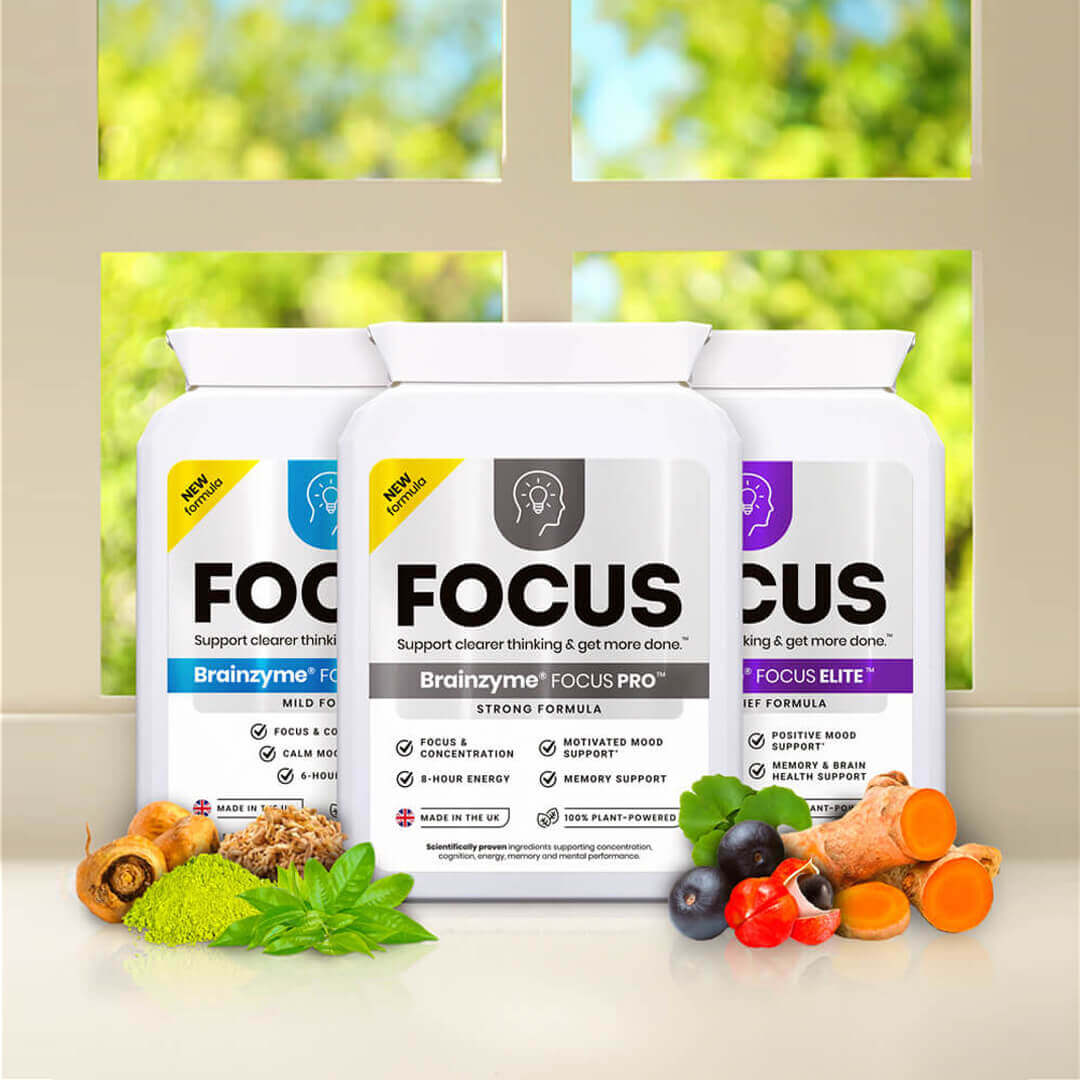
If you're looking for additional support to maintain focus and mental clarity during intensive study sessions, Brainzyme offers scientifically proven plant-powered focus supplements designed to help you stay sharp and open-minded when it matters most. Discover how Brainzyme works at www.brainzyme.com.