
 DACH
DACH
 FR-BE
FR-BE
 US-CAN

If you've ever stared at a reading list that's ten pages long and felt your stomach drop, you're not alone. University reading can feel overwhelming, like you're drowning in textbooks and journal articles. But here's the truth: you don't need to read everything cover-to-cover. What you need is a smarter approach to scanning and selecting the material that actually matters. Let's explore how to use reading lists as maps, scan abstracts for quick relevance checks, and time your reading around lectures for maximum retention.
Use Reading Lists as Your Study Map
Think of your reading list as a carefully curated playlist — your tutor has already done the hard work of selecting the most relevant sources. Your job isn't to read every single item from start to finish; it's to navigate strategically. Start by opening each source and skimming the abstract or summary first. This quick preview tells you instantly whether the piece is relevant to your current essay or topic.
As you skim, hunt for key words that match your assignment question or essay plan. These key words are like signposts pointing you towards the most useful sections. If the abstract clearly addresses your topic, keep that source in your queue. If it doesn't, move on without guilt. This filtering process alone can save you hours of unnecessary reading.
Scan Abstracts for Quick Relevance Checks
Abstracts are your best friend when it comes to efficient studying. They're designed to summarise the main argument, methodology, and findings of an article in just a few paragraphs. By reading the abstract first, you can make a snap decision about whether the full article deserves your time.
- Does the abstract mention concepts directly related to your essay question?
- Does the research address the same debate or theme you're exploring?
- Are there any standout quotes or data points you could use?
If the answer to these questions is yes, add that source to your 'must-read' pile. If not, move on. A brilliant study hack is to email useful abstracts to yourself — this way, you're building a neat, searchable archive of the best sources. It's a simple tactic, but it keeps you organised and focused on quality over quantity.
Time Your Reading Around Lectures for Maximum Retention
One of the smartest ways to boost your understanding is to sync your reading with your lectures. Before a lecture, do a quick skim of the key headings and terms from the recommended reading. This primes your brain, so when you hear the tutor explain the same concepts, everything clicks into place much faster.
After the lecture, return to the reading with a different goal: fill in the gaps. Focus on the sections that confused you during the talk, or look for additional examples and evidence that clarify the main ideas. This before-and-after pairing makes new information stick because you're encountering it twice in different contexts. Your brain loves this kind of reinforcement.
The goal isn't to cover every page — it's to gather the few sources that clearly answer your question. Build a short queue of must-reads, file them neatly, and focus on relevance. You'll find that by working smarter, not harder, you learn more in less time.
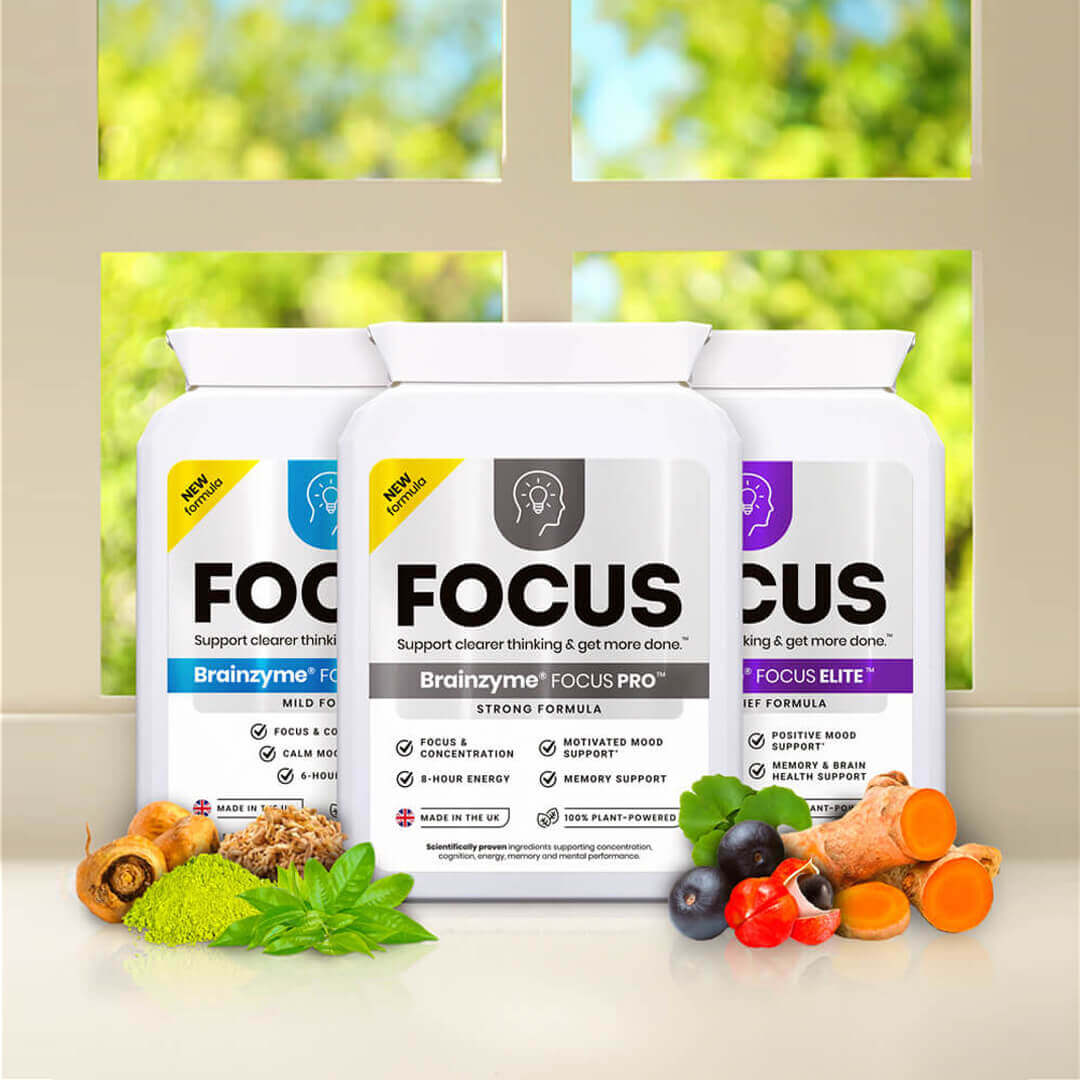
If you're looking for an extra edge to stay focused during these strategic reading sessions, www.brainzyme.com offers scientifically proven plant-powered focus supplements designed to support your concentration and mental clarity.