
 DACH
DACH
 FR-BE
FR-BE
 US-CAN

What if your child could see exactly which thinking skills they're building whilst tidying their room or setting the table? By adding simple 'brain skill badges' to everyday chores, you transform routine tasks into visible learning moments. This small shift helps children—and adults—recognise that folding laundry isn't just housework; it's a brilliant classification exercise.
Why Everyday Chores Are Secret Brain Workouts
Every household task trains a specific cognitive skill, even if we don't notice it. When children pair socks by colour or size, they're practising classification—grouping items by shared characteristics. Setting the table teaches spatial reasoning and sequencing: forks go on the left, knives and spoons on the right, and the glass sits above the plate. Even unloading the dishwasher becomes a lesson in categorisation and memory as they decide where each item belongs.
The challenge? Most of us breeze through these tasks on autopilot, missing the chance to celebrate the thinking behind them. Skill badges make the invisible visible.
Creating Your Skill Badge System
Start small and keep it simple:
- Choose 3–5 common chores from your household routine—laundry, table-setting, morning routines, organising the pantry, or tidying up.
- Assign a badge to each task. Draw or print tiny icons that represent the skill: a sorting symbol for laundry, arrows for sequence in morning routines, or a grid for spatial tasks like table-setting.
- Display them prominently. Tape the badges onto a checklist, fridge chart, or whiteboard where everyone can see them. The visual reminder transforms 'just another chore' into 'practising my Sort skill.'
- Praise the skill, not just the outcome. Instead of saying 'Thanks for folding the laundry,' try 'Great sorting work! You matched every sock perfectly.' This shifts the focus to the cognitive process.
Badge Examples That Make Learning Visible
Here are five starter badges to try:
- Sort (laundry, recycling): Grouping items by shared features builds classification skills.
- Sequence (morning routine cards, recipe following): Understanding order and steps develops logical thinking.
- Space (table-setting, room organisation): Learning positional words like 'left,' 'above,' and 'between' strengthens spatial reasoning.
- Compare (pantry organising, closet sorting): Noticing similarities and differences hones analytical thinking.
- Results vs Conclusion (checking whether a task is complete): Evaluating outcomes teaches critical assessment—is the floor actually clean, or just 'done'?
A sock without its pair becomes a tiny mystery story begging for classification!
Keep the Momentum Going
Rotate badges every few weeks to keep the system fresh and engaging. Invite your children to suggest new skills or create their own badges for tasks they've mastered. Over time, this approach weaves careful thinking into daily life—no extra worksheets or formal lessons required. Chores become natural opportunities to practise real thinking skills.
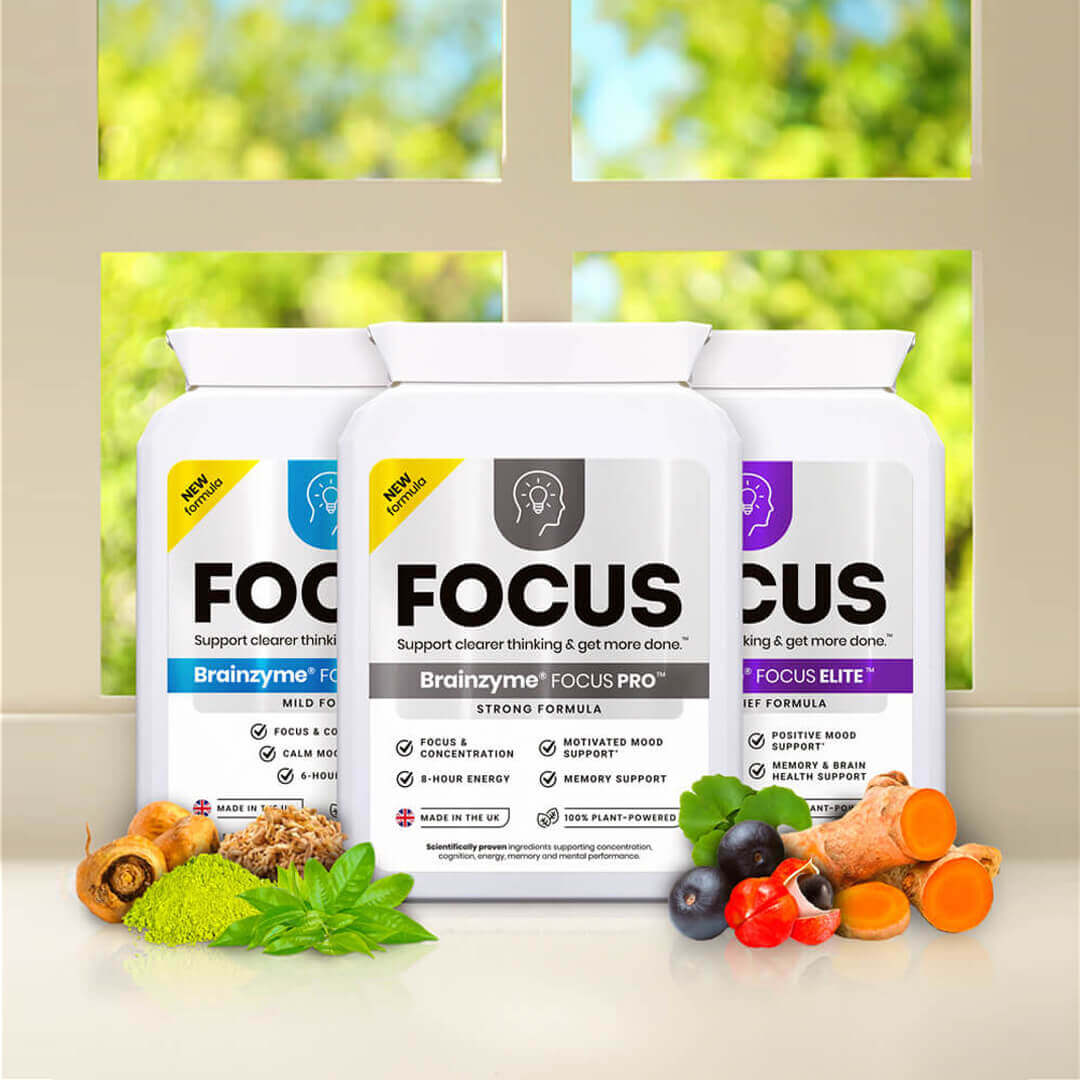
If you're looking to support focus and cognitive performance alongside these learning strategies, Brainzyme offers scientifically proven plant-powered focus supplements designed to help both children and adults maintain concentration throughout their day.
Visit www.brainzyme.com to discover how our natural supplements can complement your family's learning journey.