
 DACH
DACH
 FR-BE
FR-BE
 US-CAN

Welcome to the world of honest self-improvement. If you've ever caught yourself saying 'I knew that would happen' after the fact, you're not alone. That confident 'I knew it all along' feeling is your memory quietly rewriting the script. The good news? There's a brilliantly simple habit that cuts through the noise: write a one-line prediction before any change, then check it later. This tiny practice trains your gut to make sharper, calmer decisions based on reality, not a polished version of the past.
Why Your Memory Rewrites the Story
Here's the uncomfortable truth: hindsight bias makes yesterday's guesses look better or worse than they actually were. After an outcome arrives, your brain smoothly edits your original expectations to match what happened. You might think you predicted success when you were genuinely uncertain, or you might remember being more cautious than you truly felt.
This isn't a character flaw—it's how human memory works. But it creates a frustrating loop: you can't learn from your intuition if you can't remember what your intuition actually said. Freezing your expectations in writing gives you a clear, unedited mirror of your thinking before reality stepped in.
How Written Predictions Keep You Honest
A prediction note is refreshingly straightforward. Before you try a new approach—whether it's a focus technique, a work routine, or a lifestyle tweak—jot down what you genuinely expect to happen. Make it specific and include a confidence score.
For example: 'I predict this new morning routine will improve my focus score by around 5%. Confidence: 6/10.' That's it. No essay required. You're simply capturing your gut instinct before it has a chance to disappear into the fog of hindsight.
Later, when your test period ends, write what actually happened right next to your original note. Did the routine boost your focus by 5%, or was it closer to 15%? Was your 6/10 confidence justified, or were you wildly off? This side-by-side comparison is where the real learning begins.
Building Your Prediction Practice
Make this habit ridiculously easy to maintain:
- Keep all your prediction notes in one place—a simple notebook, a notes app, or a dedicated document.
- Write your prediction as a single, clear sentence. Include what you expect and how confident you feel (a number out of 10 works perfectly).
- After your test period, add the real result and a quick reflection: 'Was I overconfident? Underconfident? Spot on?'
- Review your notes every few weeks to spot patterns. Are you consistently too optimistic about quick fixes? Too cautious about bigger changes?
This isn't about being right every single time. It's about calibrating your intuition so you understand how it behaves under different conditions.
The Long-Term Benefit: Sharper Intuition and Calmer Choices
As your prediction track record grows, something powerful happens: your gut gets smarter. You'll waste less energy chasing long shots because you've trained yourself to recognise when your confidence outpaces reality. You'll spot genuine wins faster because you've learned to trust your instincts when they're genuinely reliable.
The result? Calmer, more confident decision-making. You're not second-guessing yourself constantly, and you're not falling for your memory's polished rewrites. You're simply using real data—your own predictions and outcomes—to sharpen your judgment over time.
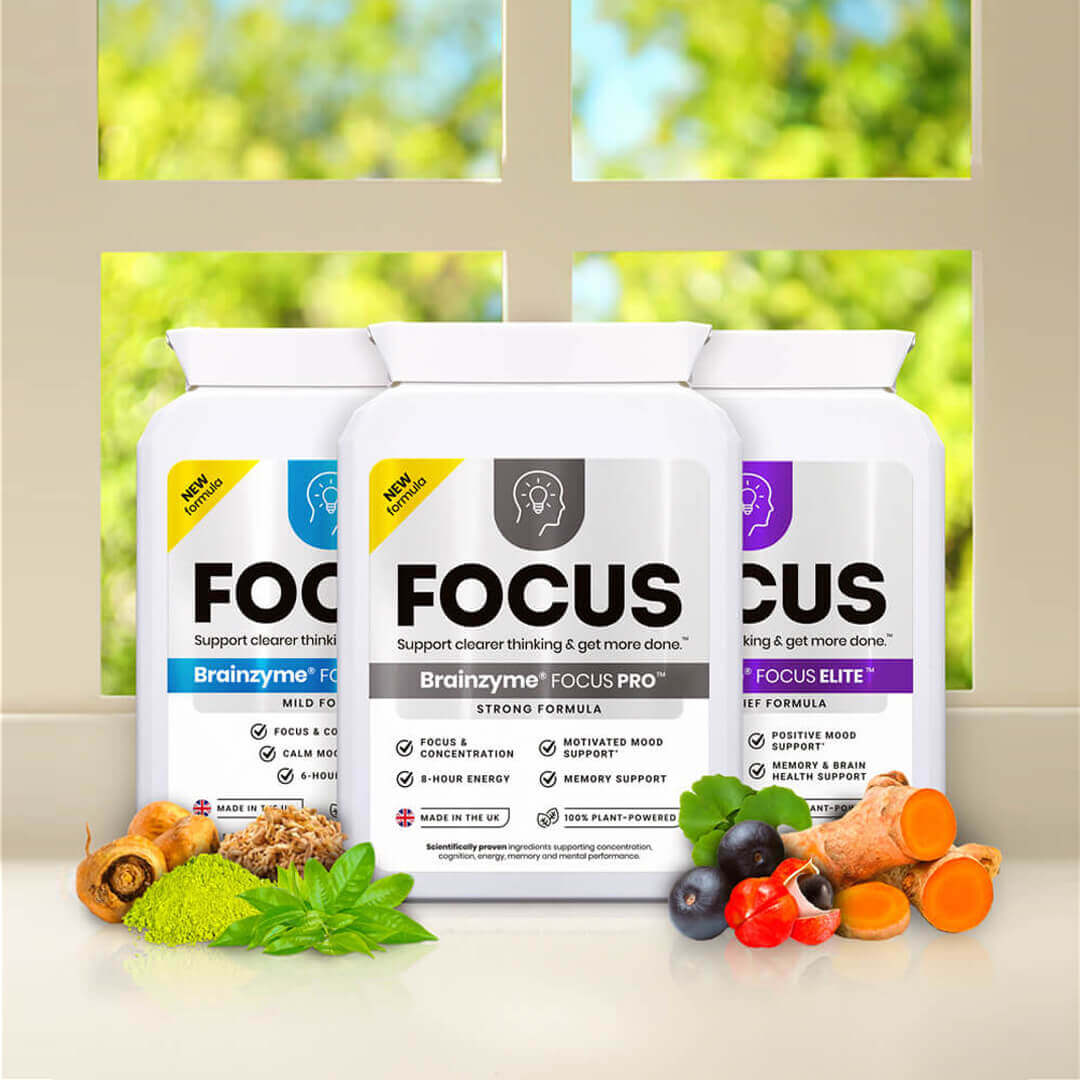
If you're looking for additional support to maintain focus and clarity whilst building these habits, Brainzyme offers scientifically proven plant-powered focus supplements designed to help you stay sharp and consistent. Discover how they work and find the right formula for your goals at www.brainzyme.com.