
 DACH
DACH
 FR-BE
FR-BE
 US-CAN

Ever notice how a 'maybe' win can start to look like a 'definitely' win once you want it badly enough? That's your brain playing favourites. The simple fix is to write your self-experiment plan and decide when you'll stop before you begin. It's like setting the rules of a game before the whistle blows—fair, clear, and hard to fudge.
When you commit your plan to paper first, you protect yourself from the most common pitfall in personal experiments: cherry-picking results. Your future self will thank you for this one honest step.
Define Your Clear Question
Start with one clear question: What am I trying to improve? This isn't the time for vague hopes like 'be better at work'. Get specific.
- Do you want to improve your focus during morning tasks?
- Are you testing whether a new routine helps you feel less overwhelmed?
- Do you want to see if a change boosts your afternoon energy?
One focused question keeps your experiment sharp and your results meaningful. When you know exactly what you're measuring, you won't be tempted to shift the goalposts halfway through.
Choose What to Measure
Next, decide what you'll measure. For example, you might use a quick focus test, a short daily checklist, or a simple rating scale. The key is to pick something you can track consistently.
Then decide how long you'll test and what would count as a meaningful change. When these choices are made in advance, you don't have to argue with yourself later about whether a tiny bump 'counts'. You've already defined success.
Keep it lightweight: one page is enough. Write down the two options you'll compare, the days you'll run them, and where you'll jot your results so you don't forget. Treat it like a recipe card for your experiment.
Set Your Stop Rule
Here's the secret weapon: your stop rule. Write down exactly when you'll end the test before you start. For example: 'Stop after 2 weeks or 10 test days, whichever comes first.'
Think of a stop rule like a kitchen timer for experiments—without it, you'll keep opening the oven and declaring 'almost done!' forever. Your brain will always find a reason to continue if the results look promising, or quit early if they don't.
When you precommit to a stopping point, you remove the temptation to manipulate the outcome. If you decide the rules after you've seen some results, it's easy to convince yourself that a tiny blip was a big win. Writing your plan keeps you honest and makes your test more trustworthy.
Stick to the Plan and Decide With Confidence
When time's up, stick to the stop rule, look at what you wrote, and decide based on the plan—not your mood. You'll walk away with clearer answers and less second-guessing.
Then either keep the new habit, tweak it, or try the next idea with a fresh, prewritten plan. This simple ritual transforms scattered attempts into reliable personal science.
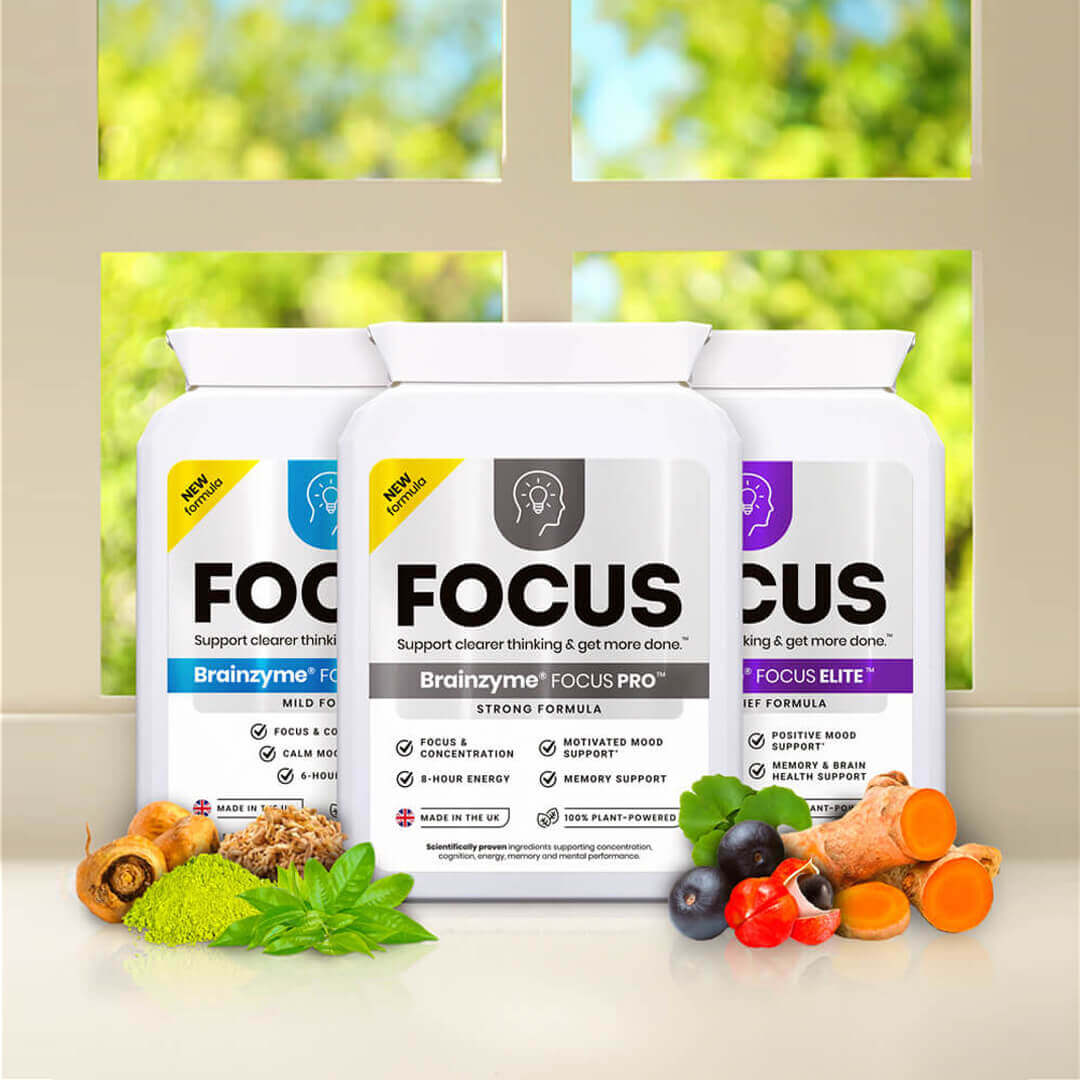
If you're looking for support with focus and mental clarity during your self-experiments, Brainzyme offers scientifically proven plant-powered focus supplements designed to help you stay sharp and consistent. Discover how our natural formulas can complement your productivity journey and support your best work.
Visit www.brainzyme.com to learn more about how Brainzyme works.