
 DACH
DACH
 FR-BE
FR-BE
 US-CAN

Should you buy it, skip it, or wait? We've all been there, staring at a choice and feeling stuck. Here's a powerful decision-making tool that cuts through the noise: ask yourself, 'If I did this 100 times, what would I get on average?' This simple question transforms emotional reactions into clear judgment and helps you separate genuinely good deals from momentary gut feelings.
Face the Choice
The first step is acknowledging that you're at a crossroads. Whether it's a tempting purchase, a subscription you're considering, or a daily habit you're evaluating, pause for a moment. Don't rush into it based on hype or fear. Simply recognise that you have a decision to make and that this decision deserves a clearer lens than just 'how do I feel right now?'
This initial pause is crucial. It stops you from reacting on impulse and gives you space to apply rational thinking. You're not dismissing your emotions - you're just choosing not to let them be the only voice in the room.
Ask the '100 Times' Question
Now comes the magic question: 'If I did this 100 times, what would I get on average?' This reframes your choice brilliantly. Instead of fixating on one lucky win or one scary loss, you're asking what typically happens over the long run.
- Would buying 100 lottery tickets really make you richer?
- Would signing up for 100 'free trials' (that auto-renew) save you money?
- Would saying yes to 100 impulse purchases improve your life?
Thinking in averages is like zooming out on a video of your choices. If a choice usually costs you more than it gives back, it's probably a bad deal - even if a rare outcome looks exciting. If it pays off consistently, it's probably worth it, even if a single try feels uncertain.
Visualise the Average
Don't just think about the question - actually picture it. Imagine the pile of outcomes. What would 100 attempts look like? This mental exercise makes abstract risk tangible.
For example, if you're considering an extended warranty, visualise buying 100 of them. Would you really need to claim on most of them, or would you end up with a pile of unused guarantees and a much lighter wallet? Use this anywhere: subscriptions, add-ons, guarantees, or gambles. Ask what you usually get back for what you put in.
If you can't estimate exact numbers, simplify the question: 'Over time, does this tend to help or hurt?' Pair it with a quick check on real numbers - not just headlines or sales pitches - and you'll dodge a lot of regret.
Make the Wiser Move
Armed with your average-outcome insight, you're now ready to choose with confidence. When in doubt, step back from the one-time drama and look for the long-run pattern. Your future self will thank you for choosing what wins most often, not what merely looks exciting once.
This method isn't about becoming a robot or never taking risks. It's about making informed choices based on what genuinely serves you over time. The '100 times' question helps you cut through marketing hype, social pressure, and momentary excitement to see what's really there.
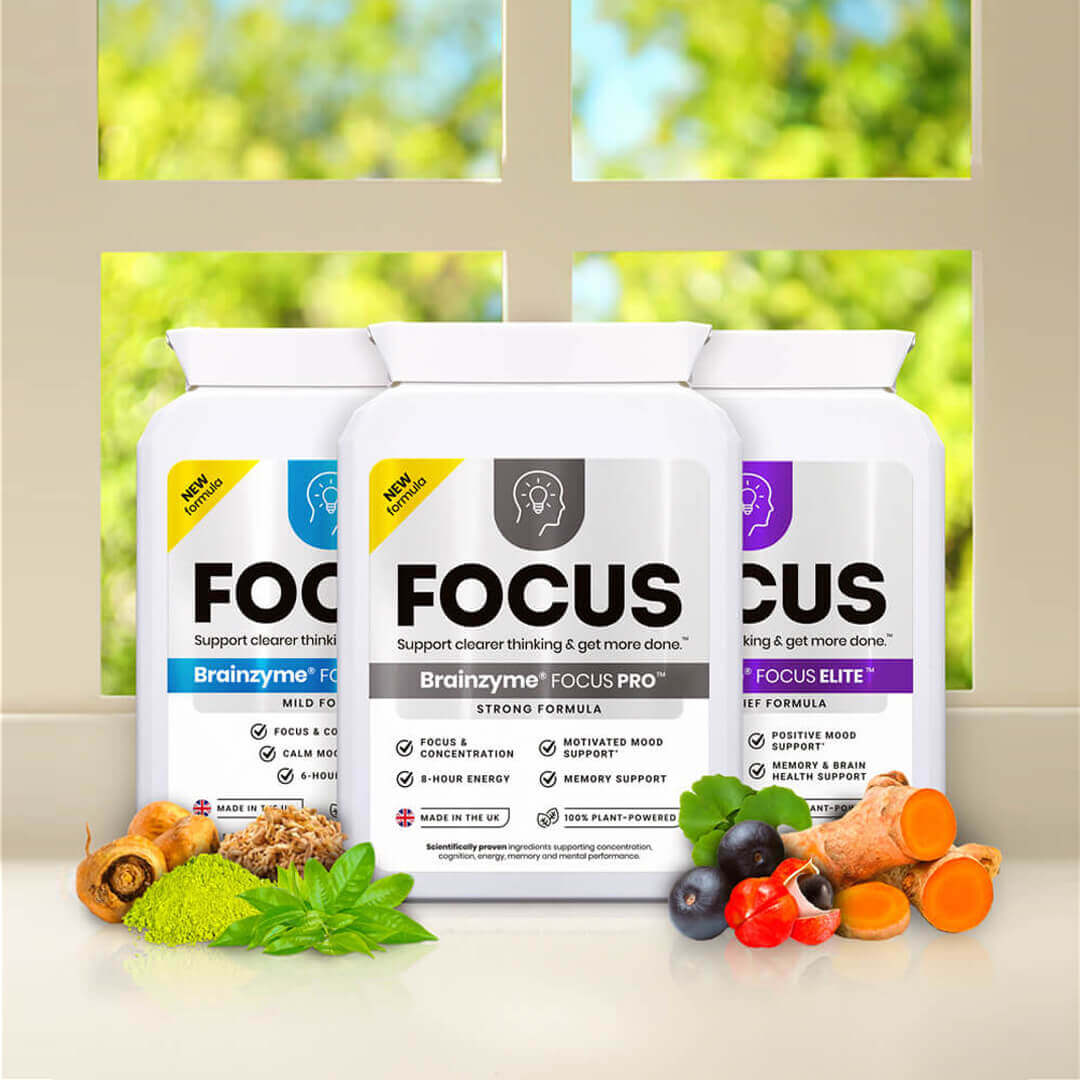
Decision-making becomes clearer when you have the right mental tools and the right cognitive support. Brainzyme offers scientifically proven plant-powered focus supplements designed to support mental clarity and better thinking. Whether you're facing daily choices or major decisions, having a clearer mind helps you apply tools like the 100 times question more effectively. Visit www.brainzyme.com to discover how our natural supplements can support your decision-making journey.