
 DACH
DACH
 FR-BE
FR-BE
 US-CAN

Ever faced a crisis because you didn't prepare for the 'what if'? One nurse asked a simple question before surgery and saved a patient's life. Asking 'what's the worst that could happen?' isn't pessimism—it's the smartest prep move you can make. Here's how to build this life-saving habit into your planning.
The Operating Theatre Moment That Changed Everything
The surgeon was confident. He expected minimal blood loss during the tumour removal. But he mentioned one detail: the tumour was pressed against a major vein. Heavy bleeding was unlikely, but theoretically possible.
The nurse heard that qualifier. She asked: 'What's the worst that could happen?' Then she checked: were four units of blood ready, just in case?
They weren't.
The blood bank prepared them immediately. Minutes into the surgery, severe bleeding struck. The team needed those units—fast. They were there, waiting, because one person paused to ask the uncomfortable question.
That single checklist step saved the patient's life. Not luck. Not chance. Preparation triggered by asking what could go wrong.
Why This Simple Question Works
'What's the worst that could happen?' forces your brain to shift gears. Instead of hoping everything goes smoothly, you actively scan for vulnerabilities.
It creates space for the 'just in case' scenario. You identify the backup plan before you need it. You stage resources ahead of time.
This isn't pessimism—it's intelligent optimism. You proceed with confidence because you've prepared for the rare but serious scenario.
The question works because:
- It surfaces hidden risks before they bite
- It prompts concrete preparation, not vague worry
- It takes minutes but saves hours (or lives)
- It builds resilience into your plan
One small prompt, massive protective effect.
Building Your Own Safety-Net Thinking
You don't need to be in an operating theatre to use this approach. Any project, any plan, any important moment benefits from safety-net thinking.
Here's how to build it in:
- Before you start, pause and ask out loud: 'What's the worst that could happen here?'
- List the serious (even if unlikely) scenarios. Don't dismiss them.
- For each risk, identify your backup: What would you need ready? Who would you call? What resources would save you?
- Designate who checks which items. Make it someone's job, not everyone's vague responsibility.
- Stage your safety net now, before you need it.
Then proceed with confidence. You've done the prep. If the unexpected shows up, you're ready.
Clear Focus for Smart Preparation
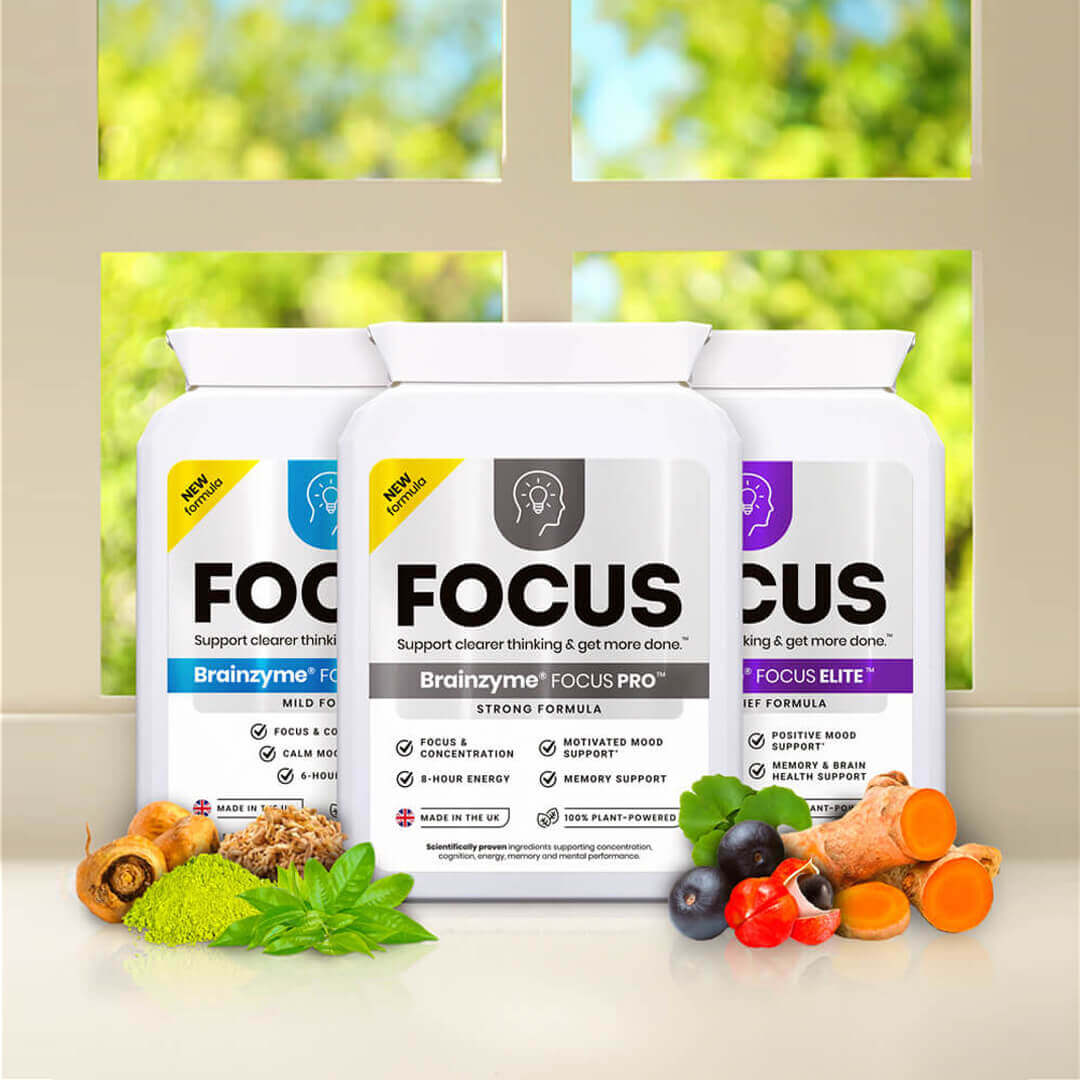
Safety-net thinking requires mental clarity and focus—especially when life gets busy. That's where Brainzyme supports you. Our scientifically proven plant-powered focus supplements help you maintain the sharp, calm focus needed to spot risks, plan ahead, and execute with confidence.
Whether you're managing complex projects, juggling multiple priorities, or simply want to think more clearly under pressure, Brainzyme gives your brain the support it needs to perform at its best.
Ready to discover how Brainzyme works? Visit www.brainzyme.com to find your formula for focused thinking.