
 DACH
DACH
 FR-BE
FR-BE
 US-CAN

Picture this: it's exam day, and instead of feeling like you're walking into battle, it feels like just another Tuesday. That's the power of smart exam prep. By running short, timed mini mock exams regularly, you turn test day into something you've already done dozens of times. The real exam becomes routine, not a crisis.
Why Last-Minute Cramming Backfires
We've all been there — that chaotic mountain of notes, the panic-fuelled all-nighter, the frantic search for that one crucial fact. Cramming might feel productive in the moment, but it's actually sabotaging your performance. Here's why:
- Your brain is overwhelmed by volume, not trained for the task
- You're learning the content but not practising the skill of writing under pressure
- When exam day arrives, everything feels unfamiliar and stressful
The truth? Exam success isn't just about knowing the material — it's about being comfortable with the process itself.
The Mini Mock Method: Practice Makes Routine
This is where timed mini mocks change everything. Instead of one big, terrifying practice exam the night before, you're doing short, focused sessions that mirror real exam conditions. Each session is just 15-20 minutes — long enough to be challenging, short enough to fit into any study schedule.
Start by anticipating what you'll face. Look at past papers and identify the course's big ideas. Draft a few possible prompts that match the exam format. Sketch quick outlines for each one. Then pick one question and answer it from scratch under quiet, timed conditions. No notes. No phone. Just you, a pen, and the clock ticking.
This gets you used to the exact moves you'll make when it counts: reading the question carefully, outlining your main points, writing clearly under time pressure, and managing that familiar flutter of exam-day adrenaline.
How to Run Your Practice Sessions
The setup is beautifully simple. Clear your desk completely. Put your notes away. Set a kitchen timer for 15-20 minutes (yes, an actual timer — your phone is too tempting). Before you start writing, spend the first 1-2 minutes outlining your main points. This planning step is crucial and often rushed on exam day, so practice it now.
Then write. When the timer goes off, stop immediately — even mid-sentence. This is vital practice for pacing yourself in the real thing.
Afterwards, take five minutes to review. Check your structure. Did you answer the question directly? Were your points clear? Note what to improve next time, then move on with your day. Rotate through different question styles each week so nothing catches you off guard.
Making It a Weekly Habit
The magic happens through repetition. Make mini mocks a weekly habit, not a one-off panic measure. By the time your actual exam arrives, you'll be following a routine you've completed many times before. You'll know how long it takes to outline an answer. You'll be familiar with the feeling of working under time pressure. You'll have trained your brain to perform on command.
Familiarity lowers stress. Routine boosts performance. It's that straightforward.
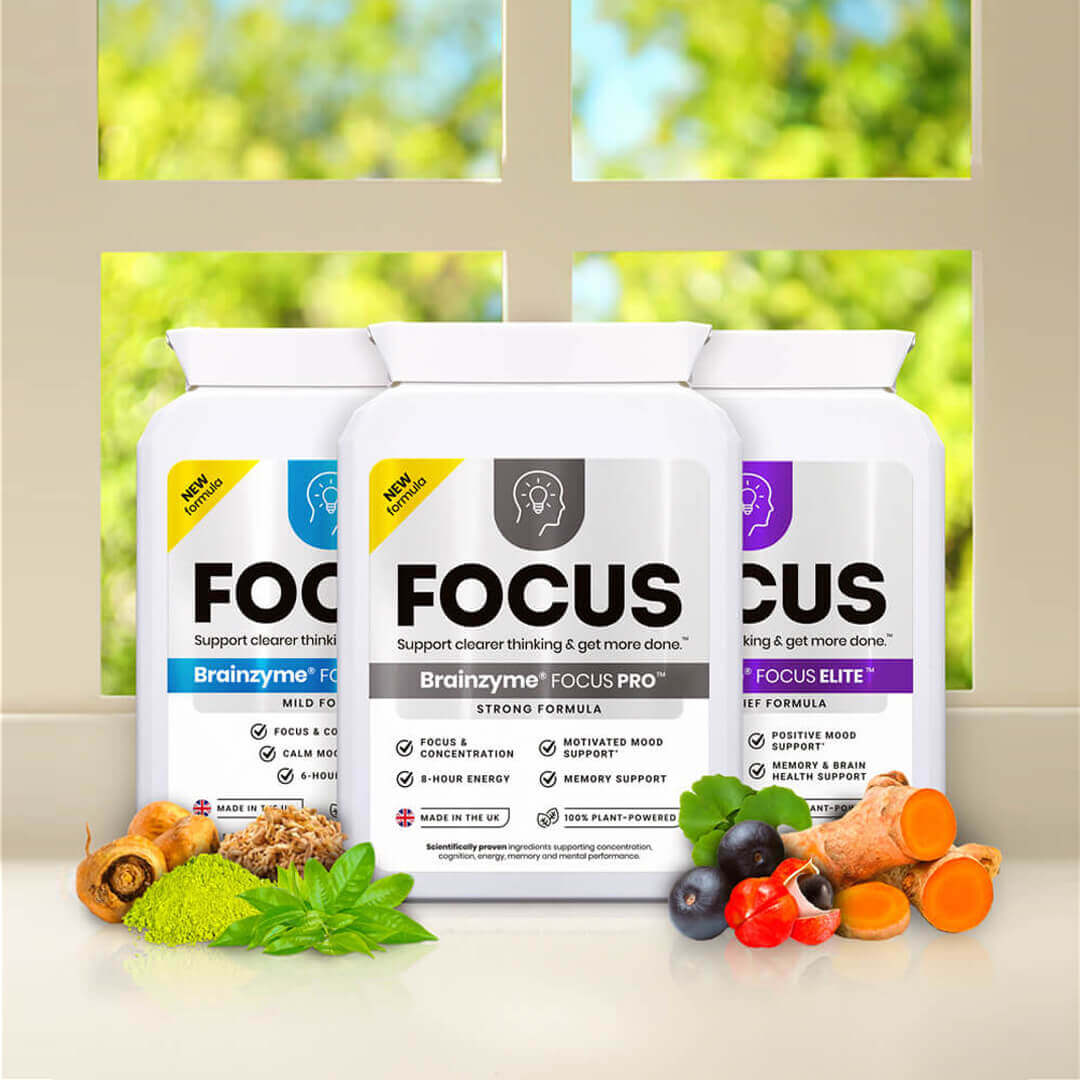
Want to give your brain the best chance of staying sharp and focused during those practice sessions and on exam day itself? That's where scientifically proven plant-powered focus supplements can support your study routine. Discover how Brainzyme works at www.brainzyme.com