
 DACH
DACH
 FR-BE
FR-BE
 US-CAN

When a child looks up and asks, 'What is this?' the urge to simply tell them the answer is strong. But here's a better approach: respond with a question that points them towards the clues. You're still helping, but you're teaching them how to think, not just what to think. This shift from giving answers to asking guiding questions is one of the most powerful tools you can use to build genuine confidence and problem-solving skills.
The Question
The moment of confusion is actually an opportunity. When your child comes to you with a puzzle—whether it's an unfamiliar object, a tricky homework problem, or something they've spotted in a book—resist the temptation to jump straight in with the solution. Instead, pause. This is your chance to turn a quick answer into a learning moment that will serve them for years to come.
Pause & Reframe
Before you speak, mentally switch gears. You're not the answer key; you're the guide. Replace that instinct to explain with an intention to prompt. Think of yourself as helping them notice what's already there, rather than filling in gaps. This simple mental shift changes everything about how the conversation unfolds.
Ask, Don't Tell
Now for the practical part—the actual questions that work. Try these gentle prompts:
- 'What do you notice first?'
- 'What is it made of?'
- 'Where might you use this?'
- 'What else does it remind you of?'
These questions work brilliantly with mystery objects, but they're just as effective with story clues, advertisements, or even tricky maths problems. They push children to examine details before jumping to conclusions. If they get stuck, narrow your question down: 'Is it metal, wood, or plastic?' or 'Do you think that word sounds like a fact or an opinion?' Always praise the process—the noticing, the testing of guesses, and the explaining of their reasoning.
The 'Aha!' Moment
Over time, something magical happens. Your child stops seeing problems as roadblocks and starts viewing them as puzzles to solve. They build genuine confidence because they understand how to find answers, not just what the answers are. That confident smile you see when everything clicks? That's the result of their own thinking, and it's worth far more than any answer you could have given them. This habit of inquiry will carry across every subject and into everyday life, creating a resilient, curious learner.
Keep using this approach and you might even earn yourself a new nickname: 'The Question Ninja.'
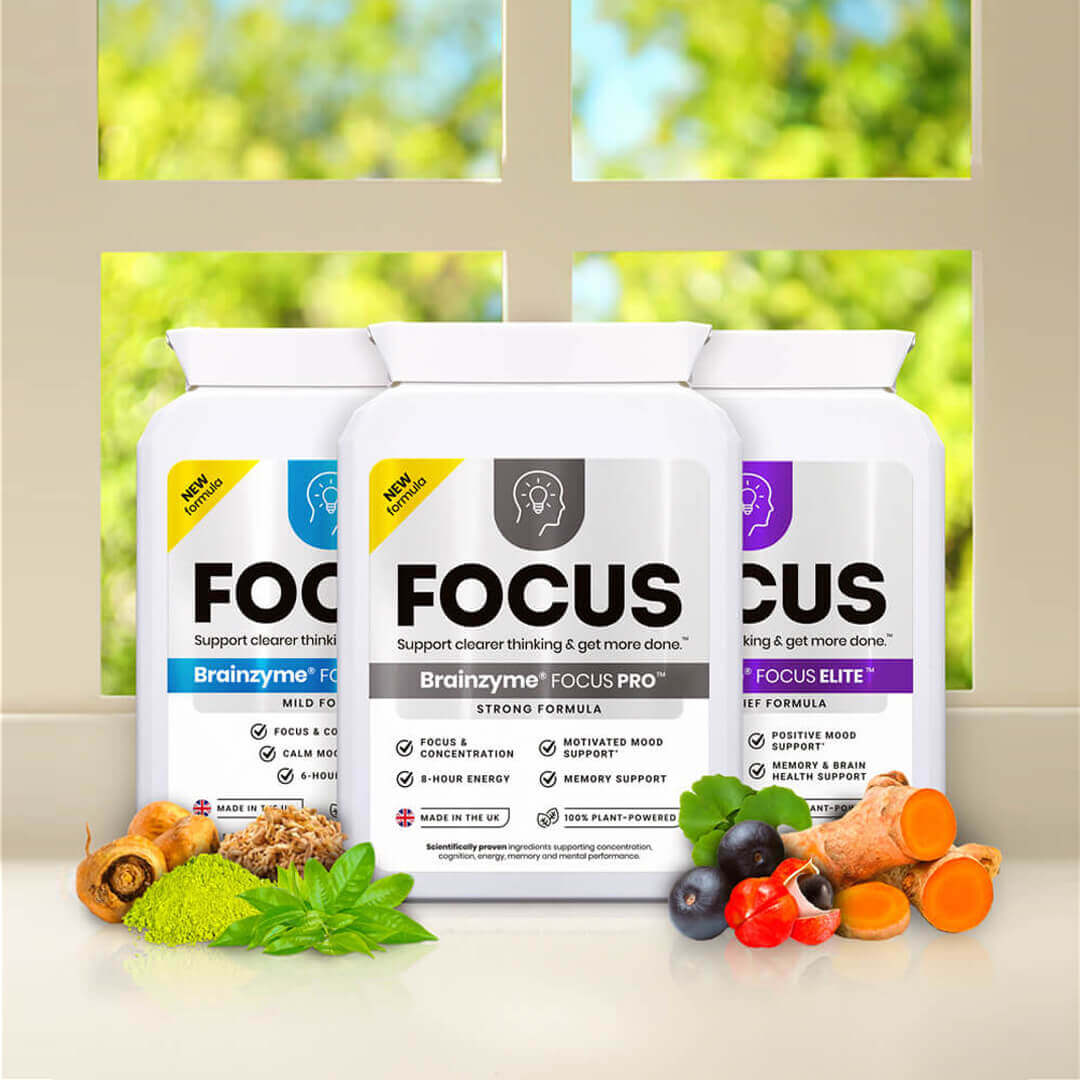
Building strong thinking habits requires more than just great questioning techniques—it also needs optimal brain support. Brainzyme offers scientifically proven plant-powered focus supplements designed to support concentration and mental clarity for the whole family.
Discover how Brainzyme can support your family's learning journey at www.brainzyme.com