
 DACH
DACH
 FR-BE
FR-BE
 US-CAN

When the pressure is on and you see others taking shortcuts, it's tempting to follow suit. But here's the truth: justifying your actions by pointing to someone else's mistakes is one of the weakest forms of reasoning. Whether you're navigating exam stress, group projects, or everyday decisions, learning to make ethical choices based on your own solid reasoning—not what others did—is a skill that will serve you for life.
Let's explore how to build unshakeable integrity, even when everyone around you seems to be cutting corners.
The Trap of Comparing Wrongs
Picture this: you're in an exam hall, struggling with a difficult question. You notice someone else glancing at their phone. Suddenly, a voice in your head whispers, 'If they're doing it, why shouldn't I?' This is where the trap springs.
We feel a powerful urge to balance the scales. If one person has bent the rules, it can feel almost 'fair' to do the same. But fairness isn't the real question here. The question is: is your action justified on its own merits?
Here's the problem: if your entire reason boils down to 'someone else did it first', you haven't actually given a reason at all. You've simply changed the subject. As the saying goes, 'two wrongs don't make a right'—but they do make a sequel nobody asked for.
The Three-Step Technique for Ethical Decision-Making
When you're tempted to justify your actions by pointing elsewhere, use this simple three-step process:
- Name the issue plainly: Ask yourself directly, 'Is this action I'm about to take justified?' Keep the focus sharp and specific.
- Separate the issues: Clearly distinguish between 'what they did' and 'what I'm about to do'. These are two completely different questions that deserve separate consideration.
- Provide real reasons that stand alone: Can your justification survive without the comparison? If your reasons vanish the moment you remove the 'but they did it first' element, your case needs rebuilding from the ground up.
This technique works because it forces you to confront the actual merits of your decision, rather than hiding behind deflection.
The Benefits of Independent Reasoning
When you judge every action on its own merits, something remarkable happens. Your discussions become cleaner. Your decisions become better. You avoid the exhausting spiral of tit-for-tat justifications.
More importantly, you develop genuine integrity—not the performative kind that only shows up when it's convenient, but the deep-rooted type that guides you even when no one is watching. This is the foundation of critical thinking: the ability to assess each situation independently, using sound reasoning rather than comparative excuses.
Your future employers, colleagues, and friends will value this quality in you. But more than that, you'll value it in yourself.
Support Your Ethical Decision-Making with Mental Clarity
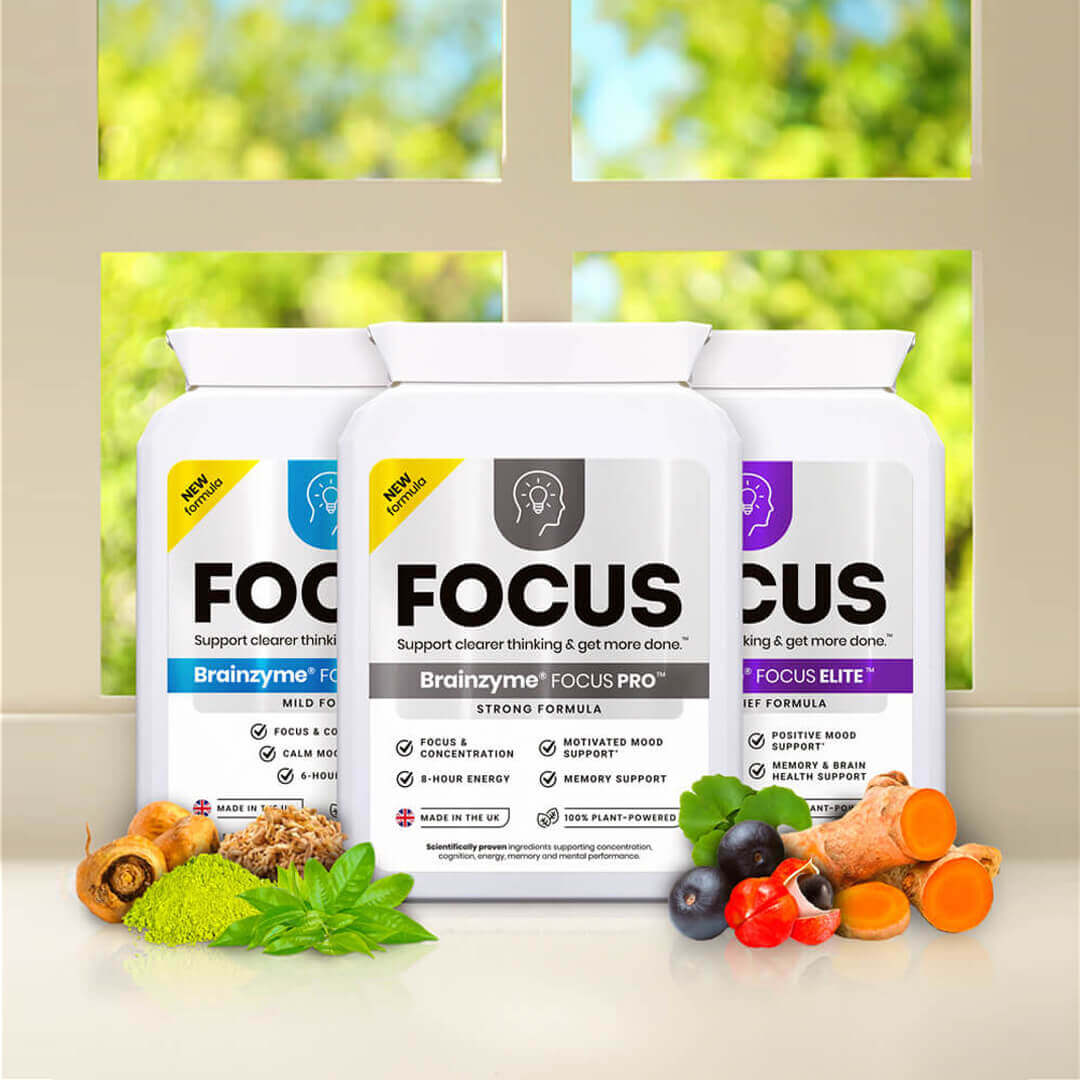
Making the right choice under pressure requires mental clarity and focus. That's where Brainzyme comes in. Our scientifically proven plant-powered focus supplements are designed to support students and professionals who want to perform at their best—with integrity.
Ready to discover how natural focus support can help you stay true to your values, even when the pressure is on?
Visit www.brainzyme.com to explore how Brainzyme works and find the formula that's right for you.