
 DACH
DACH
 FR-BE
FR-BE
 US-CAN

You don't need flashcards or expensive learning kits to teach your child vital thinking skills. Your kitchen cupboards are a ready-made classroom. Whilst you're getting dinner started, your pre-reader can practise sorting, sequencing, and following visual cues using simple picture and colour clues from your pantry and fridge.
Using Visual Cues for Pantry Selection
Start by inviting your child to find items in the pantry based on the picture on the box or the colour of the jar. Ask for 'the red jar' or 'the box with the picture of cereal'. This isn't just busywork - it's genuine pattern recognition and attention to detail. Pre-readers rely on visual information, and matching a colour or image to a real object trains their observation skills in a context that matters.
Once they've found the item, have them place condiments on the table. Focus especially on the ones stored on lower refrigerator shelves that they can safely reach. These are real jobs that build confidence and a sense of contribution.
Building Sorting and Sequencing Skills
Layer in sequencing by talking through the order of tasks: 'First we pick the items, then we place them on the table, next we check what's missing, and last we put extras back.' Keep it playful and short - you're narrating the process, not drilling them. This simple routine helps children understand that tasks have steps, and that following steps leads to success.
You can also introduce quick categories to practise sorting:
- 'Goes on the table' versus 'stays in the fridge'
- 'Cold things' versus 'cupboard things'
- 'Things we need now' versus 'things we'll use later'
These mini-games take seconds but teach classification and decision-making.
Making Children Feel Confident and Helpful
The beauty of this approach is that it trains kids to look for clues, follow steps, and explain their choices whilst making them feel genuinely helpful. They're not completing a worksheet to please you - they're contributing to the family meal. That intrinsic motivation is gold.
This routine also sneaks in core cognitive skills without adding time to your day. You're cooking anyway. Your child is there anyway. Why not turn those ten minutes into an opportunity for learning that feels like play?
Practical Tips for Daily Implementation
Keep the tasks short and celebratory. If your child brings you the wrong item, gently redirect: 'That's the yellow jar - brilliant spotting! Now can you find the red one?' Mistakes are part of learning, and your calm coaching helps them stay curious rather than frustrated.
Rotate the tasks so they don't become stale. One day they're the 'table setter', the next day they're the 'pantry finder'. Variety keeps engagement high and builds a broader skill set.
Supporting Focus and Learning Every Day
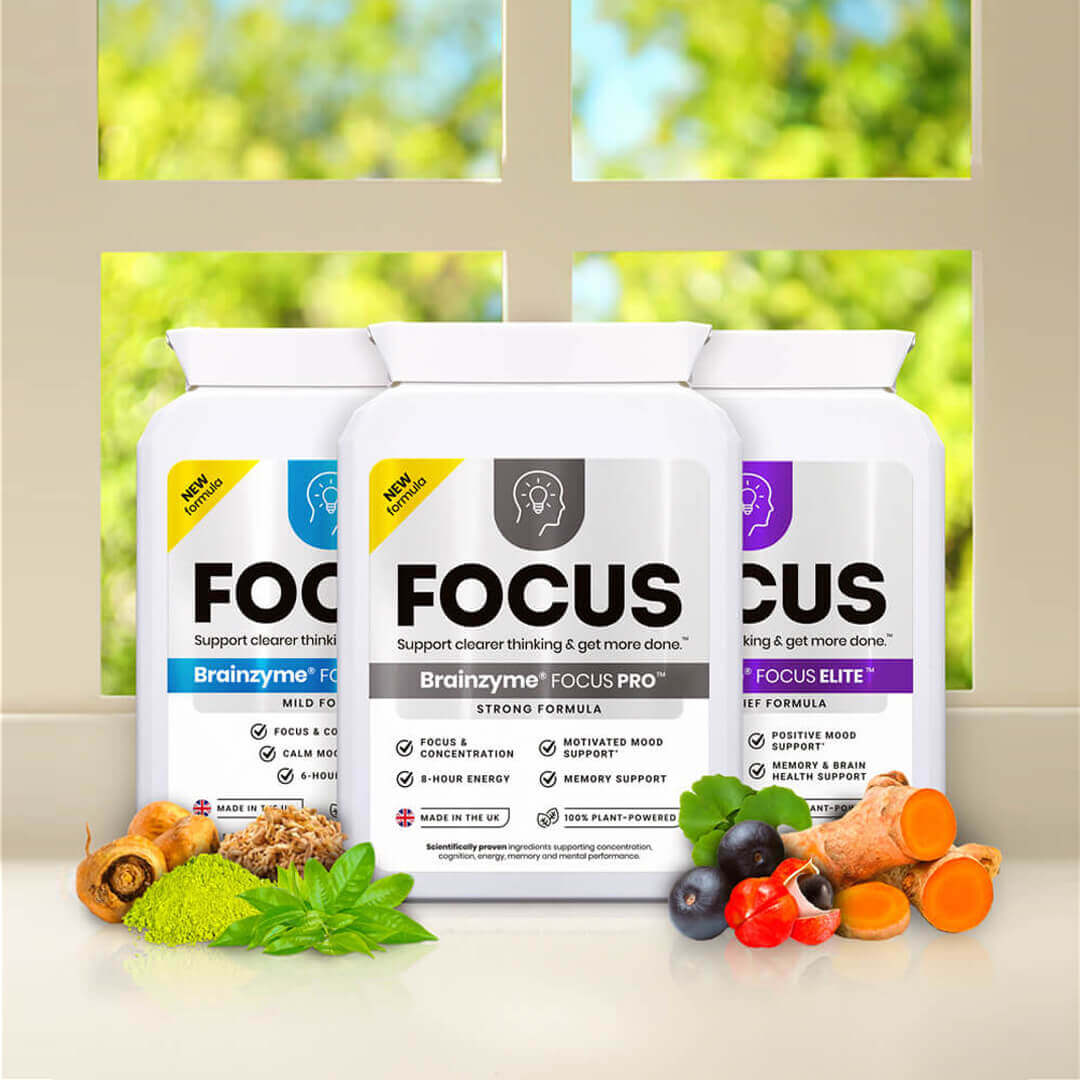
Building these thinking skills early creates a foundation for confident learning later. If you're looking for additional support to help your family stay focused and organised, Brainzyme offers scientifically proven plant-powered focus supplements designed to support concentration and mental clarity for adults navigating busy family life.
Discover how Brainzyme works by visiting www.brainzyme.com.