
 DACH
DACH
 FR-BE
FR-BE
 US-CAN

Ever wondered why some study sessions feel like a lightbulb moment whilst others feel like talking to a brick wall? The secret might not be studying harder—it's about studying with the right person. A perfect match is overrated. The best study partner is often someone who is strong where you are weak. When you teach each other, you both practise recall, get immediate feedback, and cover blind spots you didn't know you had.
Find Your Match
Your ideal study partner isn't necessarily your best friend or someone in your immediate social circle. Look for someone whose strengths complement yours. If you excel at creative thinking but struggle with technical details, pair up with someone who loves structure and precision. If you're brilliant with theory but find practical application tricky, seek out someone who thinks in examples and real-world scenarios.
The key is difference, not similarity. When two people who think alike study together, they often reinforce the same gaps. When complementary strengths meet, you create a mini-team with natural checks and balances.
Solve Solo First
Here's where most study partnerships go wrong: they dive straight into collaboration without individual preparation. Before you explain anything to each other, work through the material independently first. This might seem counterintuitive, but it's essential.
Why does this matter? Because explaining an idea out loud makes you pull it from memory and organise it clearly. If you haven't wrestled with the concept yourself first, you'll simply be copying someone else's understanding rather than building your own.
Try this approach:
- Pick three problems or concepts to tackle
- Each person answers privately first
- Write down your reasoning step by step
- Note where you feel confident and where you're uncertain
Teach and Challenge Each Other
Now comes the magic. Take turns explaining your reasoning to each other. This isn't about showing off what you know—it's about testing what you think you know. Your partner does the same, and where one of you stumbles, the other can fill in. This back-and-forth is more than chatting—it's targeted practise that strengthens understanding.
Don't be gentle. Challenge each other's steps. Ask 'why?' when something seems unclear. Find what's missing. This questioning forces both of you to think deeper and articulate concepts more precisely. Teaching reveals gaps in your own knowledge faster than any textbook or lecture ever could.
Master It Together
Over time, you'll notice something remarkable: fewer surprises during exams and faster problem-solving during assignments. Complementary partners turn solo study into a mini-team with checks and balances built in. Where you once had blind spots, you now have backup systems.
The beauty of this method is that both people benefit equally. You're not just helping each other—you're actively strengthening your own understanding every time you explain, question, or defend a concept. Switch roles regularly so both of you spend time teaching and testing.
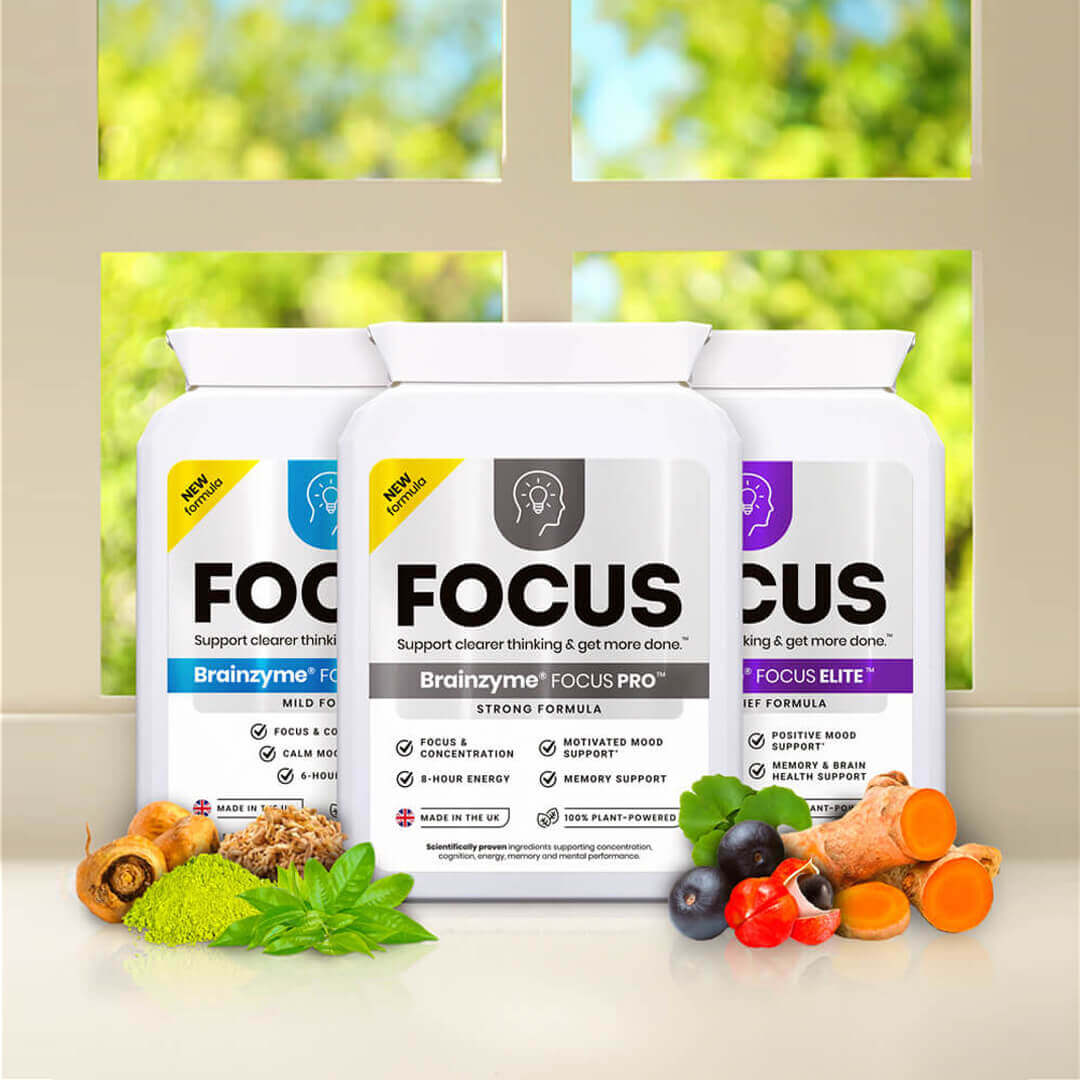
Of course, even the best study techniques work better when your brain is firing on all cylinders. That's where Brainzyme comes in. Our scientifically proven plant-powered focus supplements support your natural cognitive performance, helping you stay sharp during those intensive study sessions. Whether you're preparing for exams or tackling complex new material, Brainzyme helps you make the most of your study time. Discover how Brainzyme can support your study success at www.brainzyme.com.