
 DACH
DACH
 FR-BE
FR-BE
 US-CAN

Ever wish you could train yourself to avoid those frustrating exam slip-ups before they cost you marks? You can. The secret is learning from mistakes before test day by making them on purpose, then building your defence against them. This powerful technique turns your common errors into your strongest study advantage.
Here's how to run this mistake-mastery drill and walk into your next exam with confidence.
Write Your Wrong Answer on Purpose
Start by choosing a practice question you've missed before or one that represents a common pitfall. Now deliberately write the wrong answer—but write it the specific way you typically mess up. This isn't random guessing; it's purposeful error recreation.
- If you rush through calculations, speed through it carelessly
- If you misread questions, write an answer to what you think it asked
- If you mix up formulas or steps, switch them around
This might feel strange, but you're doing something brilliant: you're making the invisible visible. You're capturing your actual thinking pattern when errors happen.
Label What Caused the Error
Now comes the diagnostic step. Look at your purposeful mistake and identify the root cause in just one or two words. Write it clearly next to the error:
- 'Rushed' if you skipped steps
- 'Misread' if you answered the wrong question
- 'Formula' if you used the wrong equation
- 'Logic' if your reasoning was faulty
This single-word label is powerful because it names the demon. Once you've named it, you can fight it. Most students never identify why they make mistakes; they just feel frustrated and move on.
Write the Correct Solution Step by Step
Underneath your labelled mistake, write out the proper solution methodically. Don't rush this part. Work through it with full attention, showing every step clearly. This contrast is where the learning happens.
Your brain is now seeing both paths side by side: the trap you fall into and the safe route through. This comparison burns the correct method into your memory far more effectively than simply reading a model answer ever could.
Create Your Safeguard Note
The final step transforms this into lasting behaviour change. Write a brief reminder—your personal 'stop sign'—that will prevent this specific error in future:
- 'Underline key words before answering'
- 'Double-check units in final answer'
- 'Slow down on step 2—this is where I rush'
- 'Reread the question verb (compare, contrast, evaluate)'
Make it short, specific, and actionable. This isn't vague advice like 'be more careful'; it's a precise instruction your future self can follow under exam pressure.
Build Your Personal Error-Fix Set
Collect these mistake-correction pairs into a small study set. Review them the night before tests and again in the moments before you start. You'll enter the exam room with a mental checklist of the exact traps you're vulnerable to and the exact strategies to avoid them.
This technique works because it's proactive rather than reactive. You're not waiting to make mistakes under exam conditions; you're rehearsing both the error and the fix in a low-stakes environment where you can learn from them.
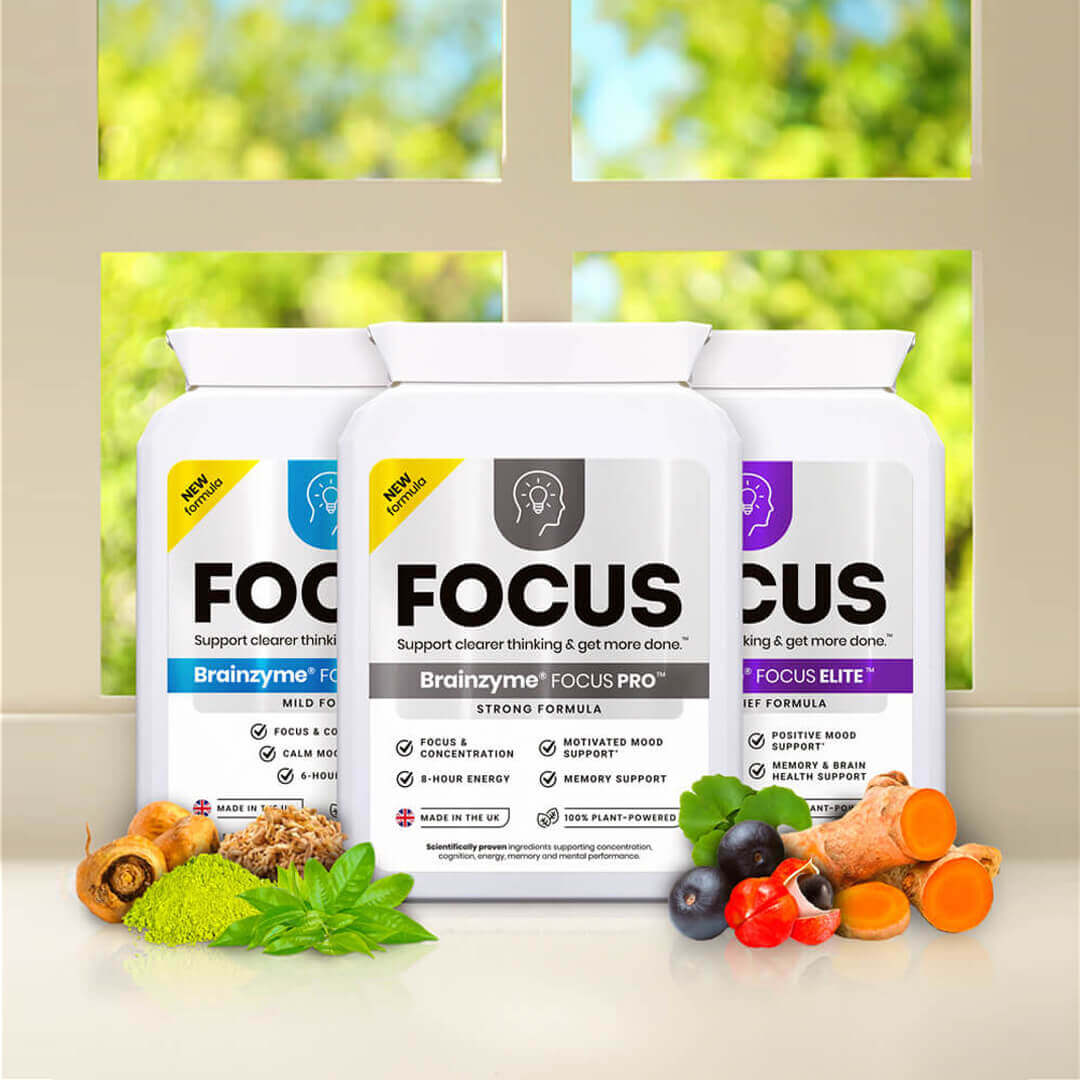
When your brain is performing at its best, this kind of strategic studying becomes even more powerful. That's where Brainzyme's scientifically proven plant-powered focus supplements come in—supporting your concentration and mental clarity so you can execute techniques like this effectively. Visit www.brainzyme.com to discover how our natural formulas can help you study smarter and perform better on exam day.