
 DACH
DACH
 FR-BE
FR-BE
 US-CAN

Have you ever closed your textbook after a revision session and thought, 'I've got this'—only to find your mind going blank during the actual test? You're not alone. That confident feeling after rereading is one of the most common traps in learning. It's called the illusion of mastery, and understanding it can transform how you study and retain information.
The Illusion of Mastery: Why Rereading Feels Good But Isn't Enough
When you reread your notes or a textbook chapter, the material starts to feel familiar. Your brain recognises the words and concepts, creating a smooth, fluent sensation that whispers, 'You know this.' But here's the problem: familiarity isn't the same as understanding. What you're experiencing is recognition, not recall. Your brain is a smooth talker—it loves to say 'we're good' after a quick review, but that doesn't mean you can actually retrieve and use that knowledge when you need it most.
Research shows that people's judgements about their own learning are often wildly inaccurate. That post-revision confidence? It's often a mirage. The real test of knowledge isn't whether something looks familiar—it's whether you can pull it from memory without any prompts.
Test Yourself Without Looking
The most powerful antidote to the illusion of mastery is simple: self-testing. After you finish a study session, close your books and notes. Then try to recall what you've just learnt. This might feel uncomfortable at first—and that's exactly the point. The struggle to retrieve information is where real learning happens.
Here are some quick self-test methods you can try:
- Write down everything you remember about the topic from memory
- Explain the concept out loud as if teaching a friend
- Create a quick quiz for yourself using flashcards or practice questions
- Sketch a diagram or mind map without referring to your notes
The goal isn't to judge yourself harshly. It's to see clearly what actually stuck and what slipped through the cracks, so you can focus your energy where it truly counts.
Add Feedback to Close the Gap
Self-testing is powerful, but it's even more effective when combined with feedback. Once you've attempted to recall information, check your answers. Compare them with your notes, a model solution, or ask someone knowledgeable to review your explanation. This step is crucial because it closes the gap between what you thought you knew and what you actually know.
Feedback reveals your blind spots—those areas where your confidence was high, but your understanding was shaky. When you discover these gaps, you're not failing; you're succeeding at identifying exactly where to focus your next study session. That's the secret to efficient, targeted learning.
Use Assessment as Your Learning Guide
Rather than viewing tests and quizzes as final verdicts on your abilities, think of them as navigation tools. Every self-test is giving you data about your learning journey. Use this information to decide your next step:
- What topics need revisiting?
- Which concepts are ready for spaced review to strengthen long-term retention?
- What should you mix into your practice to avoid getting rusty?
This approach transforms assessment from something anxiety-inducing into something empowering. You're building accurate confidence—not false bravado—because you know exactly where you stand and what you need to do next.
Support Your Learning Journey with Brainzyme
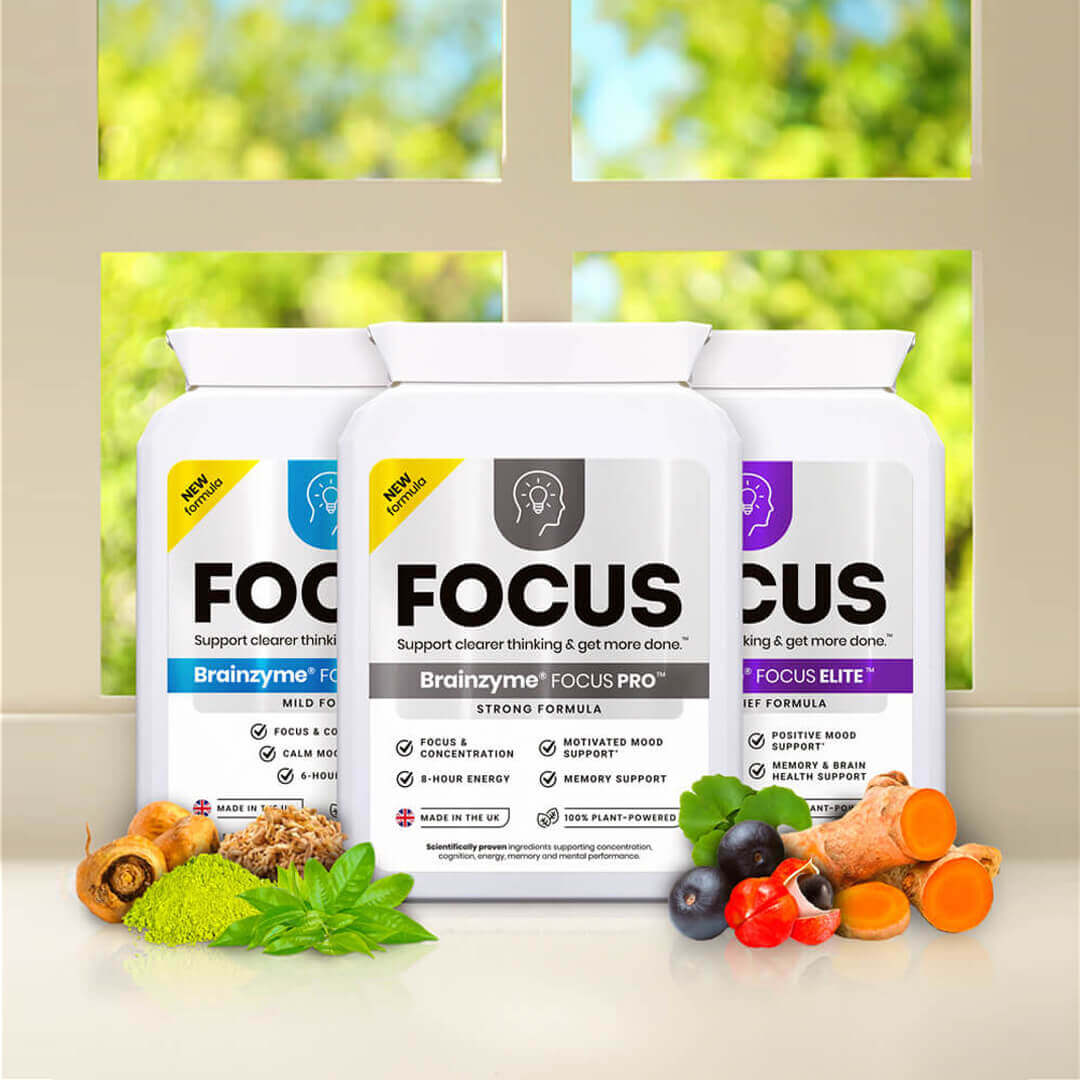
Calibrating your confidence with actual knowledge takes mental clarity and sustained focus. That's where Brainzyme's scientifically proven plant-powered focus supplements can support your learning process. Whether you're preparing for exams or tackling challenging new material, having the cognitive support to stay sharp during study sessions makes all the difference.
Ready to discover how plant-powered focus can enhance your study routine? Visit www.brainzyme.com to learn how Brainzyme works and find the perfect supplement for your learning goals.