
 DACH
DACH
 FR-BE
FR-BE
 US-CAN

Welcome to a completely different way to learn. If you've ever felt overwhelmed by dense textbooks and endless notes, you're not alone. The secret to making information stick isn't about reading harder—it's about experiencing smarter. This simple sensory learning method transforms frustration into focus by anchoring knowledge through your five senses, then locking it in with quick, meaningful sketches.
Understanding Concrete and Semiconcrete Learning
Before we dive into the method, let's clarify two powerful learning styles. Concrete learning means experiencing the world directly through your senses—what you can touch, see, smell, taste, or hear. It's the foundation of real understanding. Semiconcrete learning takes this one step further by using pictures or symbols to represent those real experiences.
Think of it like this: concrete learning is holding a smooth pebble in your hand and feeling its weight. Semiconcrete learning is sketching a simple circle to represent that pebble. Your brain creates a mental shortcut—a snapshot of the experience that you can recall instantly later. This bridge between real-world experience and visual representation is where the magic happens.
The Five-Senses Scavenger Hunt Method
Now let's put this into action with a mini scavenger hunt that takes just 10 minutes. Here's your step-by-step process:
- Find 3–5 items around your home or garden. Choose varied objects—perhaps a textured leaf from a houseplant, a metal spoon from the kitchen, a small bell, a piece of fabric, or a fragrant herb.
- For each item, engage multiple senses. Ask yourself: 'What does it feel like? What does it sound like when I tap it? What does it look like up close? Does it have a scent?'
- Sketch a super simple symbol for each item. Don't worry about artistic perfection—a basic leaf shape, a tiny spoon outline, or a musical note is all you need.
- Tape your symbols to index cards and write a one-sentence description of your sensory experience on the back.
- Review your cards later that day or week. You'll be amazed at how vividly you can recall the details.
The beauty of this method is how it transforms abstract concepts into tangible memories. When you later need to remember a complex idea, your brain will have a rich, multi-sensory anchor to hold onto.
Adapting the Activity to Your Personal Needs
Here's the most important part: there's no one-size-fits-all approach to learning. What works brilliantly today might need tweaking tomorrow, and that's perfectly fine. This method is designed to be flexible and neurodivergent-friendly.
Some days you might love drawing detailed sketches. Other times, you might prefer focusing purely on touch and verbal descriptions. You can:
- Swap items regularly to keep the activity fresh and engaging.
- Focus on different senses each session—perhaps today is all about texture, tomorrow about sound.
- Add colour to your symbols to create even stronger visual memories.
- Work alone for quiet focus or with a study partner to share discoveries.
The goal isn't perfection in your sketches or following rigid rules. The goal is creating that crucial bridge: real experience first, then a simple picture or symbol that helps the idea stick in your memory for the long term.
Supporting Your Brain with the Right Tools
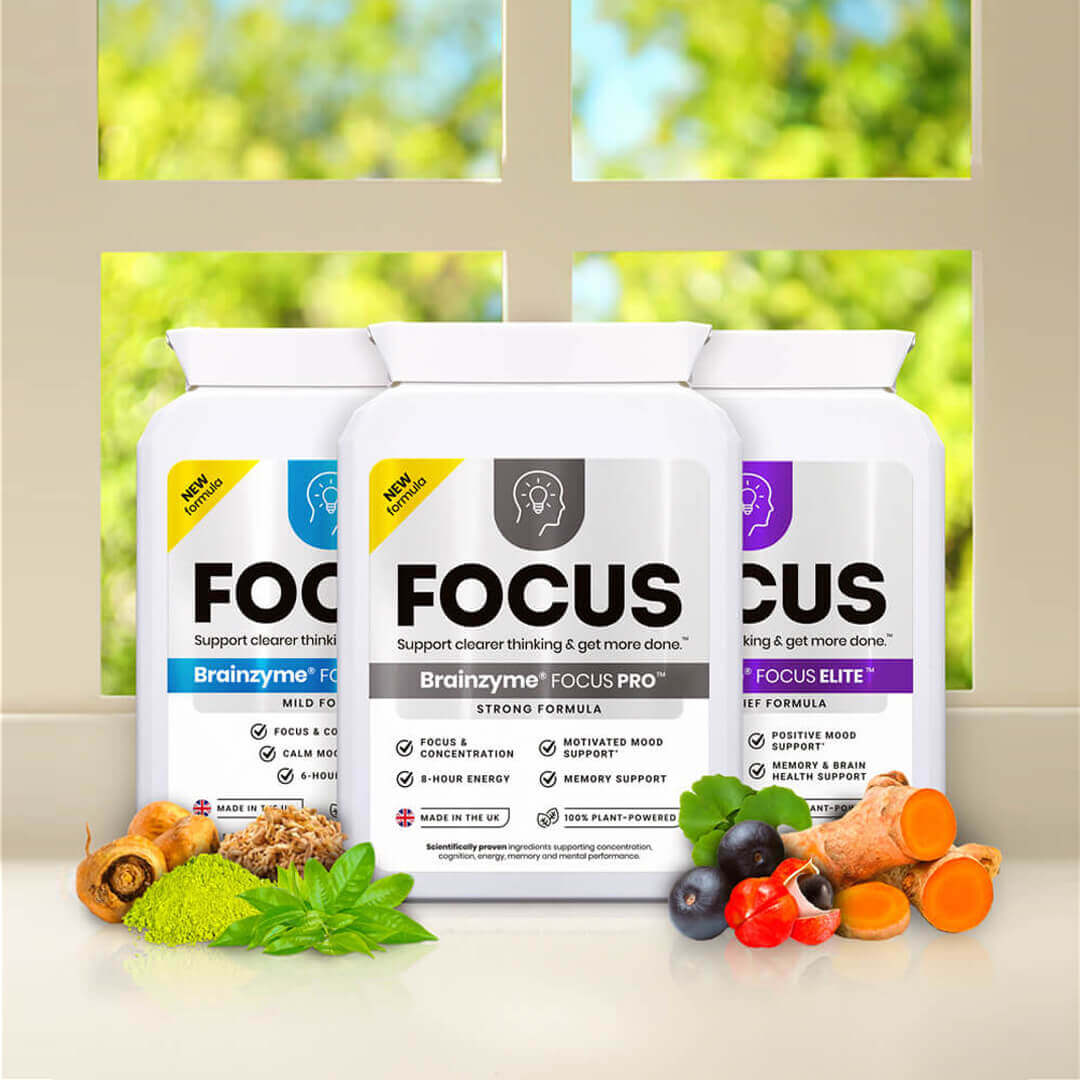
This sensory learning method works even better when your brain has the nutritional support it needs to focus and retain information. That's where Brainzyme's scientifically proven plant-powered focus supplements come in, helping you maintain the concentration you need to make the most of these study techniques.
Ready to discover how Brainzyme can support your learning journey? Visit www.brainzyme.com to explore our range and find the perfect match for your brain.