
 DACH
DACH
 FR-BE
FR-BE
 US-CAN

Ever feel like you're staring at your notes, knowing the information is in there somewhere, but you just can't find it when you need it? You're not locked out because you didn't study hard enough. You're locked out because you only built one door to that memory. The good news? You can change that right now by giving every fact three simple hooks: a vivid picture, a personal link, and a question cue. These multiple pathways turn recall struggles into confident wins.
Create a Vivid Picture Hook
Your brain is wired to remember images far better than abstract words. When you give a fact a striking visual, you're handing your memory something solid to grab onto. This doesn't mean you need to be an artist. Just imagine or sketch something memorable that represents the idea.
- Make it specific and slightly unusual—boring images don't stick
- Include action or movement if possible
- The weirder or more dramatic, the better your brain will hold onto it
For example, if you're learning about osmosis, picture a crowd of water molecules queuing impatiently at a cell membrane checkpoint. That vivid scene is far easier to recall than a textbook definition.
Build a Personal Connection Hook
Facts that matter to you personally are facts that stay with you. This hook ties new information directly to your life, your goals, or your experiences. When something feels relevant, your brain treats it as important and worth keeping.
- Link the concept to a real situation you've experienced
- Connect it to a goal you're working towards
- Relate it to a hobby, habit, or interest you already have
That osmosis example? If you've ever felt dehydrated after a long workout, you've experienced your cells crying out for water balance. Now the concept isn't just academic—it's part of your lived experience.
Design a Question Cue Hook
A well-crafted question is like a label on your memory's door. When you ask it, the right answer naturally steps forward. This hook turns passive reading into active retrieval practice, which is proven to strengthen memory pathways.
- Write a short, specific question that leads directly to your fact
- Make it natural—something you'd actually ask yourself
- Use it later to test yourself without looking at your notes
For our osmosis example, your question might be: 'What process explains why I feel better after drinking water post-workout?' Ask that question during revision, and your vivid image and personal connection will help the answer surface quickly.
Multiple Pathways Mean Confident Recall
You don't need perfect art or poetic prose. You just need usable hooks. Each extra door you build makes it easier to find your way back to the information when pressure hits. Over time, this simple practice transforms those frustrating 'I know this!' moments into smooth, confident recall.
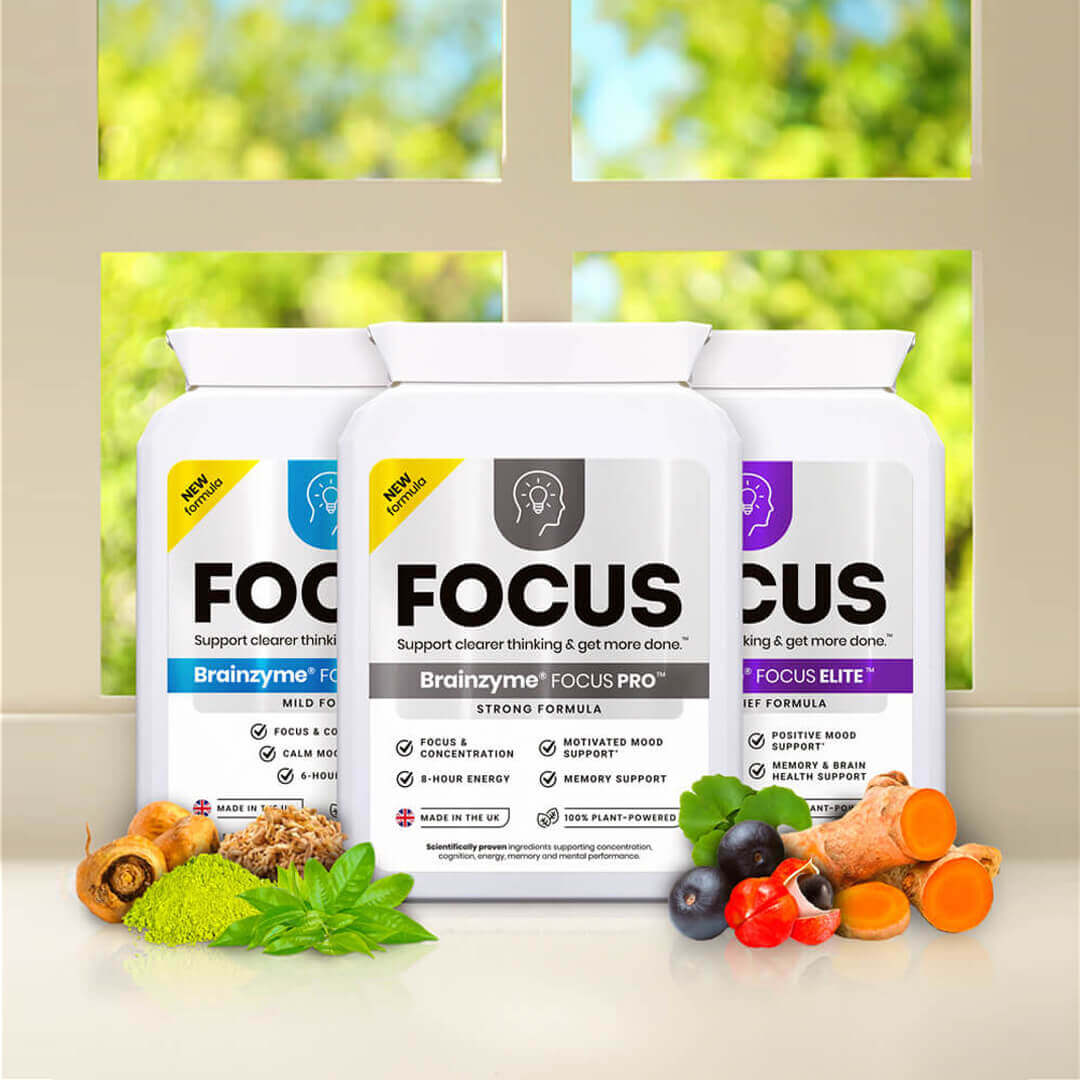
Building stronger memory pathways works even better when your brain has the right support. At Brainzyme, we've developed scientifically proven plant-powered focus supplements designed to help you maintain the concentration and mental clarity you need for effective study sessions.
Discover how our natural formulas can support your academic success—visit www.brainzyme.com to find the right supplement for your study goals.