
 DACH
DACH
 FR-BE
FR-BE
 US-CAN

That satisfying feeling when you breeze through a stack of identical practice problems? It's one of the most deceptive traps in learning. If your study session feels effortlessly smooth, you might not be building the skills you think you are. The truth is, blocked practice—repeating the same type of problem over and over—creates an illusion of mastery that fades the moment you close your books.
Why Blocked Practice Feels So Good
When you tackle the same kind of problem repeatedly, your brain slips into a rhythm. You're not really solving each problem from scratch; you're just repeating the pattern you used thirty seconds ago. This creates a lovely sense of fluency and confidence. You finish the session feeling like a champion, convinced you've nailed the material.
But here's the catch: you haven't trained your brain to recognise when to use that method. You've only practised how to execute it when it's obvious. The next day, or in an exam with mixed questions, that confidence vanishes.
The Hidden Cost of Repetitive Study
Think about learning a tennis serve. If you spend an entire hour practising only that one serve, you'll look sharp—for that one serve. But the moment the game changes, the moment you need to choose between a serve, a volley, or a backhand, you're lost. Your muscle memory is strong, but your decision-making is weak.
The same principle applies to studying. Blocked practice builds short-term fluency, not long-term skill. What you need is the ability to walk into a new situation and quickly figure out which tool to use. That's what actually sticks.
How to Mix Your Practice for Real Results
The solution is simple but feels counterintuitive: shuffle your problem types. This approach, called interleaved or varied practice, forces your brain to work harder. Instead of repeating, you're constantly choosing.
Here's how to implement it in any subject:
- Alternate between different topics or problem types within a single study session.
- Throw in a few look-alike problems that require different methods, so you must decide which approach fits.
- Keep individual practice blocks shorter and more varied.
- Review yesterday's material alongside today's new content.
Yes, it will feel bumpier. You'll make more mistakes at first. That friction is uncomfortable—but it's also the sign that you're training real decision-making, not just muscle memory.
Building Study Habits That Actually Stick
When you can walk into a new situation and quickly figure out what to do, that's learning that stuck. Mixing your practice gets you there. It's less about feeling brilliant in the moment and more about being prepared when it counts.
The key is to embrace the struggle. If every problem feels easy, you're probably not challenging your brain enough. The slight confusion when you switch topics? That's your brain forming stronger, more flexible connections. That's real learning happening.
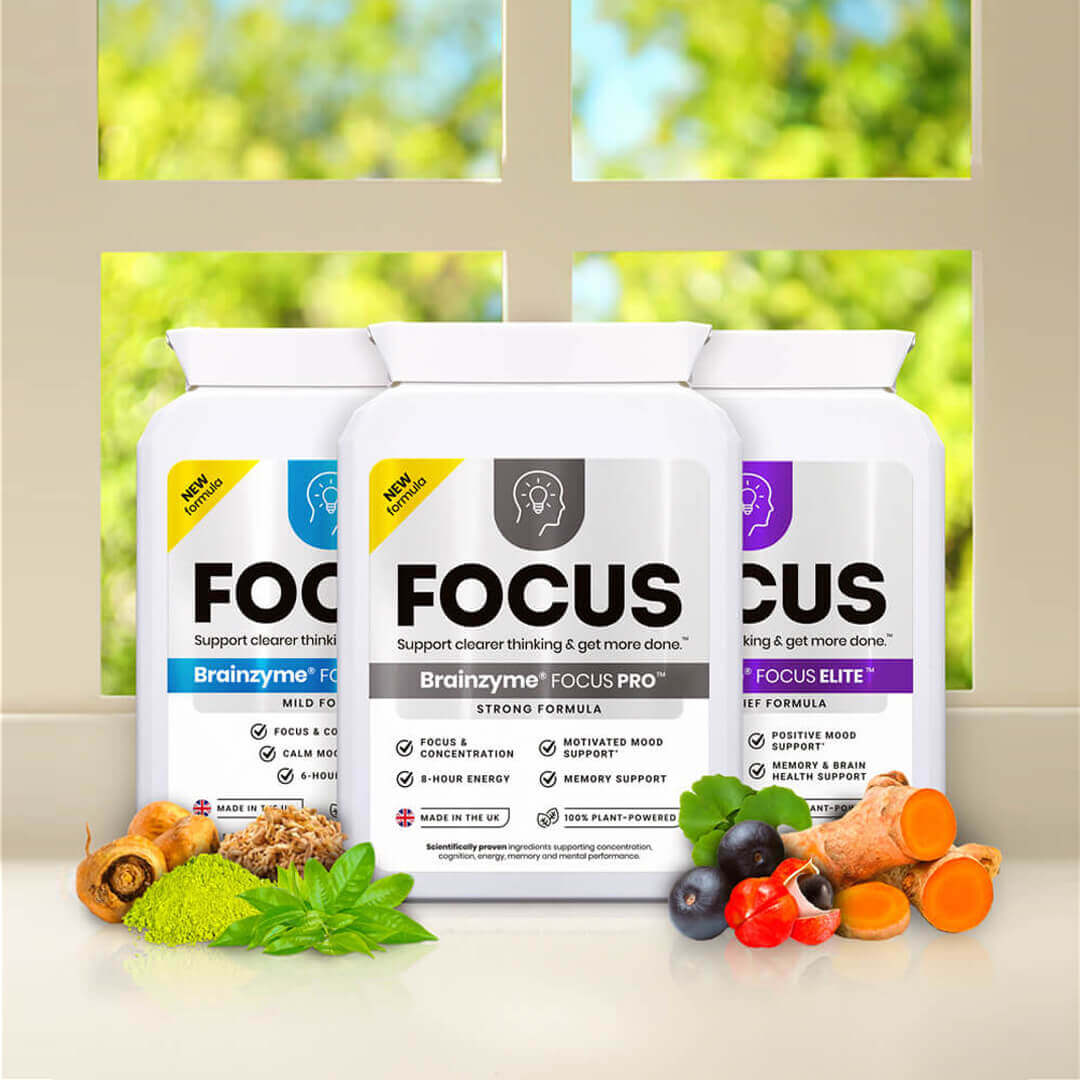
Of course, effective study habits work best when your brain is at its sharpest. That's where Brainzyme can help. Our scientifically proven plant-powered focus supplements are designed to support concentration and mental clarity, helping you make the most of those challenging, varied study sessions.
Discover how Brainzyme can support your learning journey at www.brainzyme.com.