
 DACH
DACH
 FR-BE
FR-BE
 US-CAN

Welcome to a beautifully simple way to teach critical thinking to children. If you've ever watched a young mind jump to conclusions or struggle to connect the dots, this three-box card method will change the game. It makes invisible thinking visible, turning guesswork into evidence-based reasoning. In just a few minutes, children learn the difference between guessing, spotting clues, and deciding what it all means.
All you need is a notecard divided into three sections: My Guess, Clues I Noticed, and What I Learned. Use this tool with a story, a science experiment, or even everyday decisions. The structure is flexible, the results are immediate, and the skills transfer across every subject.
My Guess: Making a Hypothesis
Before diving into the ending of a story or starting a mini experiment, invite your child to write or draw what they think will happen in the first box. This is their hypothesis—a thoughtful prediction before they know the answer.
Keeping the guess separate from the facts is crucial. It allows children to compare their initial thinking with what actually happens, without confusion or embarrassment. There's no 'wrong' guess here—only a starting point for discovery.
- Ask: 'What do you think will happen next?'
- Encourage a quick note or sketch—no pressure for perfection
- Remind them this is just the beginning, not the final answer
Clues I Noticed: Finding the Evidence
Now comes the detective work. In the second box, your child records the hints they spot along the way. These might be words in a paragraph, changes they observe during an experiment, or details in a picture that suggest meaning.
This step trains children to look for evidence instead of guessing wildly. Even one or two clues is enough to begin building stronger thinking habits. The goal is to slow down, notice, and collect information before jumping to conclusions.
- Point out: 'What details tell you something important?'
- Help them distinguish between facts and feelings
- Celebrate every clue they find, no matter how small
Many children enjoy drawing a tiny detective hat in this section. If the hat gets bigger every time, the evidence must be growing!
What I Learned: Drawing Your Conclusion
After the story ending is revealed or the experiment is complete, ask your child to fill the final box with what actually happened and what it means. This is where the magic happens—they can now see the difference between their initial guess, the clues that helped, and the final takeaway.
Repeat this process often, and you'll notice stronger critical thinking across reading, science, and daily decisions. The three-box structure becomes a mental habit, teaching children to pause, gather evidence, and think clearly before deciding.
- Ask: 'What did you learn? Was your guess close?'
- Discuss how the clues led to the conclusion
- Reinforce that thinking in steps makes complex ideas easier
Supporting Focus and Clarity for Every Learner
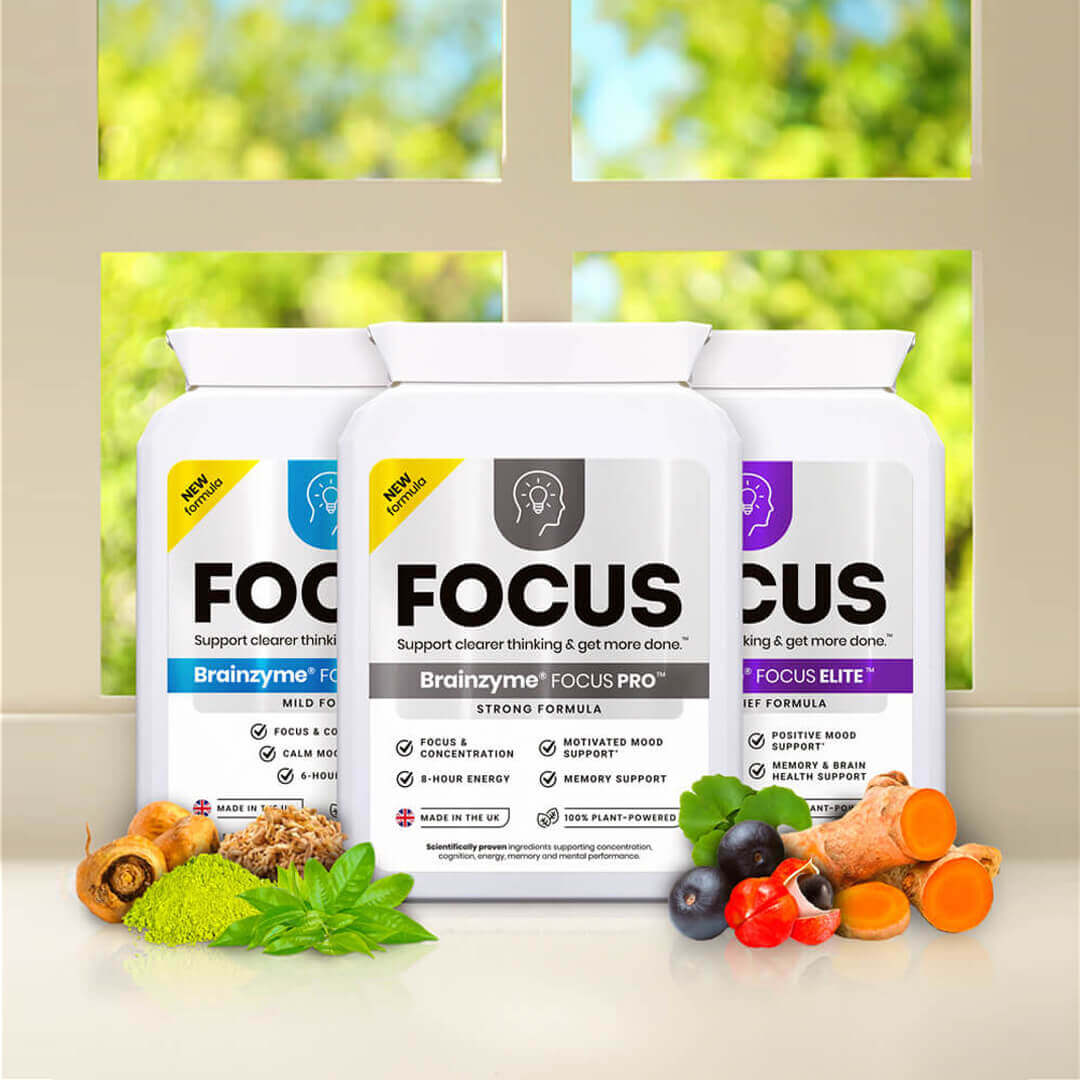
Teaching critical thinking is a gift that lasts a lifetime. At Brainzyme, we understand that clear thinking requires both good habits and optimal brain support. That's why we've developed scientifically proven plant-powered focus supplements designed to support concentration, memory, and mental clarity for learners of all ages.
Discover how our natural formulas can complement your child's learning journey and help them think more clearly every day.
Visit www.brainzyme.com to explore how Brainzyme works and find the right support for your family's focus needs.