
 DACH
DACH
 FR-BE
FR-BE
 US-CAN

Welcome to your breakthrough moment. If you've ever turned a simple assignment into an epic masterpiece that consumed your entire week, you know the perfectionism trap. Today, we're exploring how to define 'good enough' before you start any project, so you can finish on time without the overwhelm.
Why 'Good Enough' Matters for Student Projects
When your only instruction is 'Finish by Friday,' your brain defaults to building a cathedral when all you needed was a front porch. Without a clear target, the mind drifts towards 'make it perfect,' which eats your time and energy. This is especially challenging for neurodivergent students who may struggle with knowing when to stop.
The solution? Agree on what 'good enough' means before you begin. This turns a vague, distant finish line into a reachable starting line. You'll know exactly what outcome is required, what's optional, and—crucially—what the first action is to begin.
Setting Clear Expectations Upfront
Vague deadlines ignore common sticking points: overwhelm, inaccurate time estimates, and knowing when a project is truly finished. This vagueness can push perfectionists to create something far more elaborate than needed.
- Clarify the must-haves versus the nice-to-haves
- Identify the specific outcome you're working towards
- Define what the first step looks like
When everyone (including you and your study group, or you and your tutor) agrees on these boundaries, momentum replaces second-guessing. You finish faster, with work that fits the need instead of overshooting it.
The Practical Method: Essentials, Nice-to-Haves, and Stop Rules
Here's the exact framework to prevent perfectionism from derailing your projects:
- List three essentials: What absolutely must be included for the project to be complete?
- Name two nice-to-haves: What would enhance it but isn't required?
- Define a stop rule: For example, 'when it meets these three essentials and is error-checked once.' This is your permission to move on.
- Identify one specific first step: So you can start immediately without overbuilding from the beginning.
This checklist approach transforms abstract pressure into concrete, manageable actions. You'll know exactly where to begin and when to stop.
Supporting Your Focus with Brainzyme
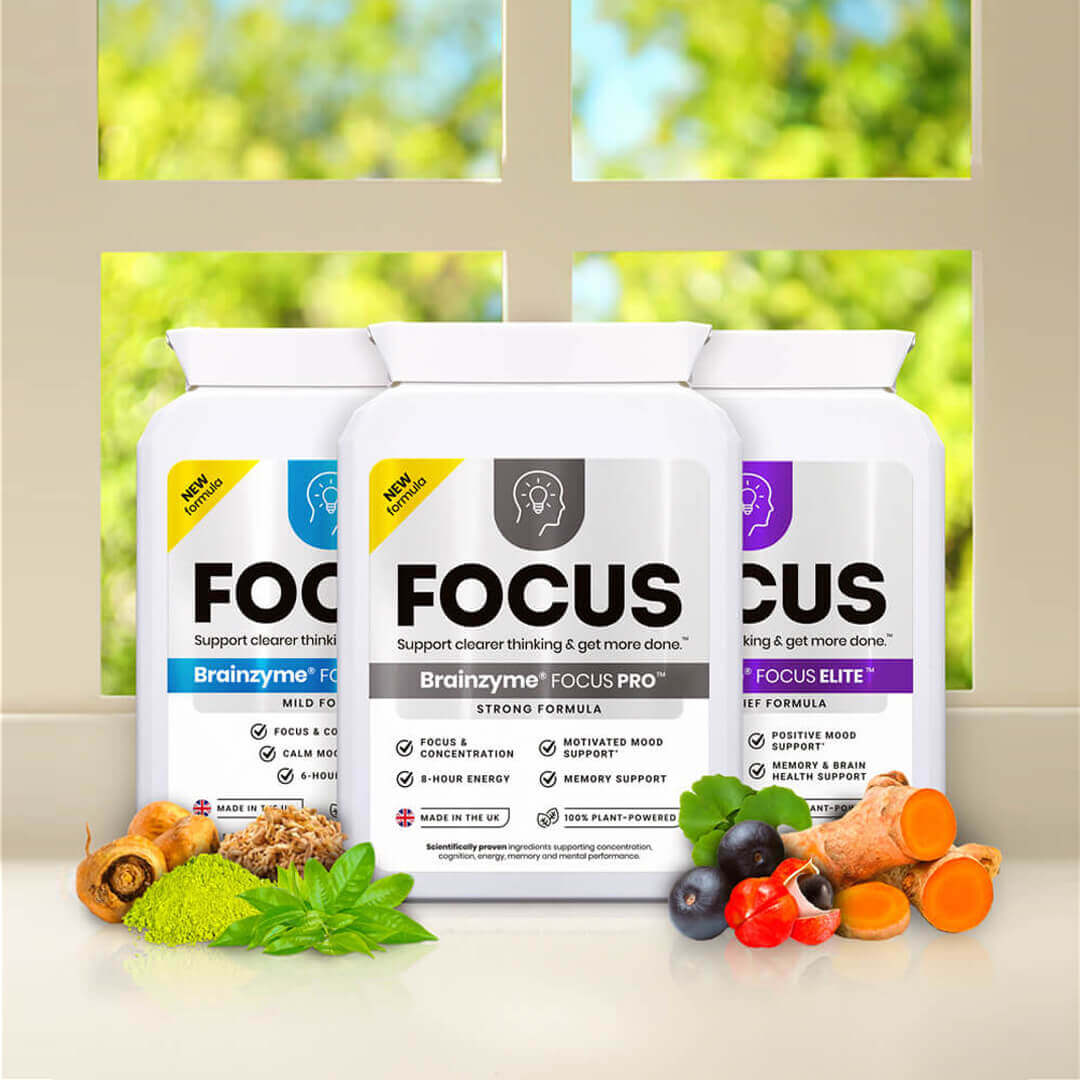
Defining 'good enough' is a powerful strategy, but sustaining focus whilst working towards your goals can still be challenging. That's where Brainzyme comes in. Our scientifically proven plant-powered focus supplements are designed to support your concentration, helping you stay on track without the perfectionism spiral.
Discover how Brainzyme works and find the right formula to support your study goals. Visit www.brainzyme.com to explore our range and take the first step towards calmer, more focused productivity.