
 DACH
DACH
 FR-BE
FR-BE
 US-CAN

Ever stared at a concept map that looked more like a tangled ball of yarn than a learning tool? You're not alone. Many students create maps that become overwhelming webs of disconnected ideas. But what if you could use your concept map like a GPS—testing routes, finding shortcuts, and spotting exactly where your understanding breaks down? That's the power of the GPS method for concept mapping.
Why Concept Maps Become Tangled Webs
Most students treat concept maps as dumping grounds for everything they know. They draw bubbles, connect them with arrows, and hope it all makes sense later. The result? A chaotic mess that's impossible to revise from. The problem isn't the concept itself—it's how we use it. Without a way to test whether your connections actually work, your map becomes decoration rather than a functional study tool.
The GPS Method: Turning Maps into Routes
Think of your concept map as a road network. Each idea is a town, and each arrow is a road with a clear signpost. Those signposts are your linking words—short phrases like 'leads to', 'causes', or 'is part of'. When you can drive from one town to another without getting lost, your understanding is genuinely connected. Here's the game-changer: if you can't follow a clear route between two ideas, you've just discovered exactly where your knowledge has a gap.
This approach transforms your map from a static picture into an interactive tool. You're not just drawing connections—you're testing them.
How to Test Your Routes
Ready to put the GPS method into practice? Try this simple routine:
- Pick any two ideas on your map at random
- Starting at the first idea, follow the arrows like road directions
- Read each arrow as a short sentence: 'This idea [linking word] that idea'
- If you get stuck, ask yourself: 'What connection or idea would make this path make sense?'
- Add the missing bridge (a cross-link) or relabel a fuzzy arrow with a clearer phrase
The beauty of this technique is that it reveals your blind spots immediately. Can't find a route? You've just found where to focus your revision.
Building Stronger Connections Over Time
Once a few routes work smoothly, the entire map becomes easier to navigate and remember. Make path testing a habit: do it when you finish creating a map, and again after learning something new. Each successful route reinforces your understanding. Each new cross-link is like discovering a secret shortcut that makes the whole topic faster to travel.
Don't worry if your first map feels like a maze. Adding one good cross-link is the academic equivalent of finding that perfect shortcut through rush-hour traffic. It might not seem like much, but it transforms how quickly you can move through the material.
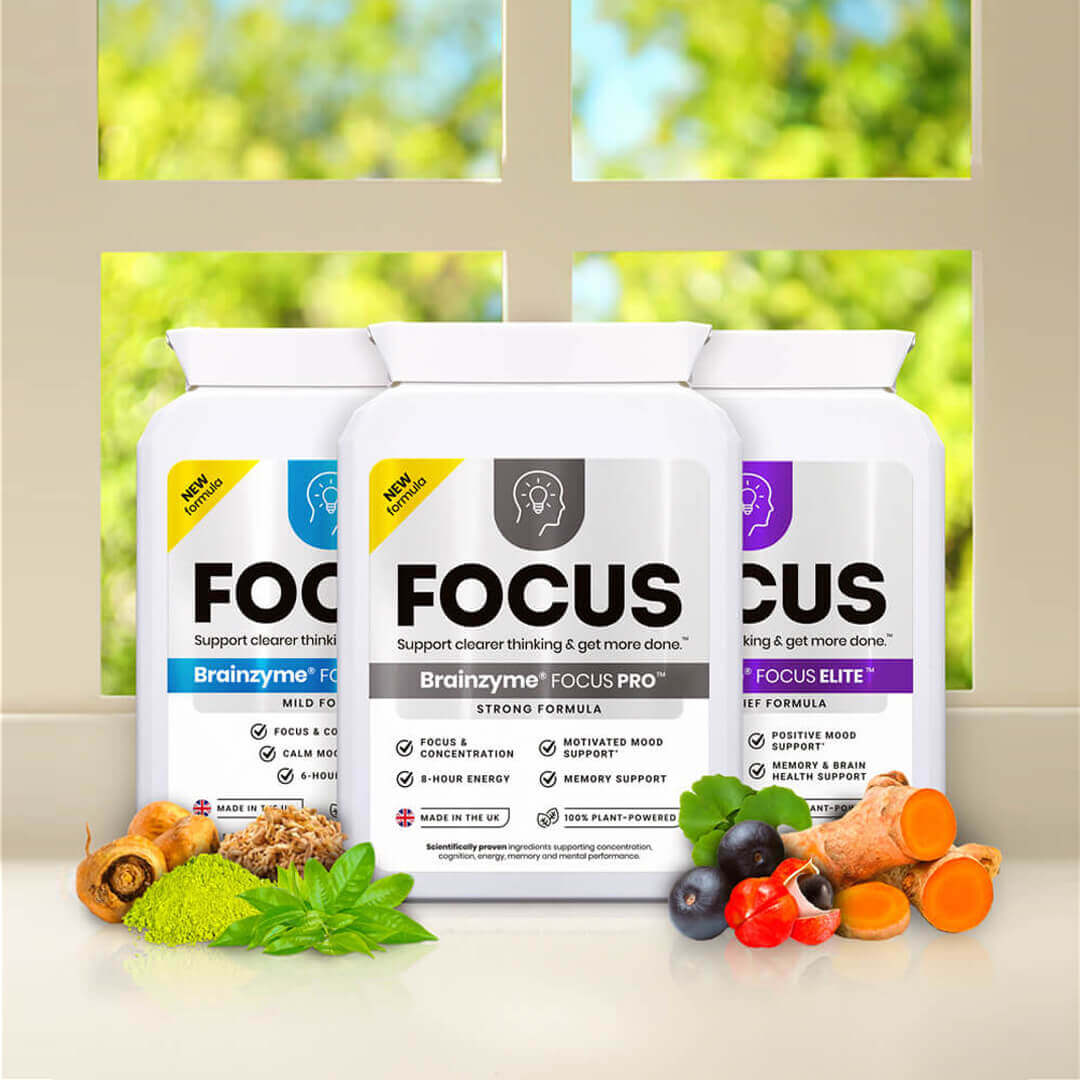
When your brain needs that extra edge for focused revision sessions, Brainzyme's scientifically proven plant-powered focus supplements can help you maintain the concentration needed to build and test those crucial connections. Visit www.brainzyme.com to discover how natural focus support can transform your study sessions.