
 DACH
DACH
 FR-BE
FR-BE
 US-CAN

Ever felt overwhelmed trying to understand why something works the way it does? You're not alone. The good news is that you can unlock the secrets of cause and effect right in your own kitchen. By running tiny kitchen experiments where you change just one thing at a time, you'll transform confusion into clarity—and build genuine confidence along the way.
Choose Your Question and Make a Hypothesis
Start with a simple, testable question. For example: 'Does hot water set gelatin faster than cold water?' This is your focus. Before you begin, write down your hypothesis—that's just a fancy word for your educated guess. What do you think will happen?
Your hypothesis doesn't have to be correct. It's simply your starting point. The real learning happens when you test it and see what actually occurs. This approach teaches you to think like a scientist, even if you're just making dessert.
Change Only One Variable at a Time
Here's the secret that makes your experiment work: keep everything the same except for one thing. If you're testing water temperature, use:
- The same amount of gelatin powder in each bowl
- The same amount of water (just different temperatures)
- The same size bowls
- The same fridge
By controlling these variables, you'll know for certain that any difference in your results comes from the one thing you changed—the water temperature. This is how you see cause and effect in action.
Track Your Observations Systematically
Don't rely on memory. Use a small notepad to record three key elements:
- Guess: What you thought would happen (your hypothesis)
- Try: Exactly what you did (hot water in Bowl A, cold water in Bowl B)
- Notice: What you observed at each check-in (after 1 hour, 2 hours, etc.)
Check your experiment on a regular schedule—perhaps every hour. Write down what you see each time. Is one mixture setting faster? Is the texture different? These observations are your evidence.
Build Confidence Through Direct Evidence
After you've collected your observations, write one inference. This is where you explain what your results mean. For example: 'Hot water helped the gelatin set faster because heat activated the thickening process.'
This method builds calm confidence because you're not guessing or arguing about what might be true. You're looking, measuring, and deciding based on what you've seen. If your results surprise you, that's brilliant—you've just discovered a new question to explore next time.
And here's a fun fact: if you only use cold water to make gelatin, you might not end up with dessert. You might just get a fruit-flavoured puddle!
Support Your Learning Journey with Brainzyme
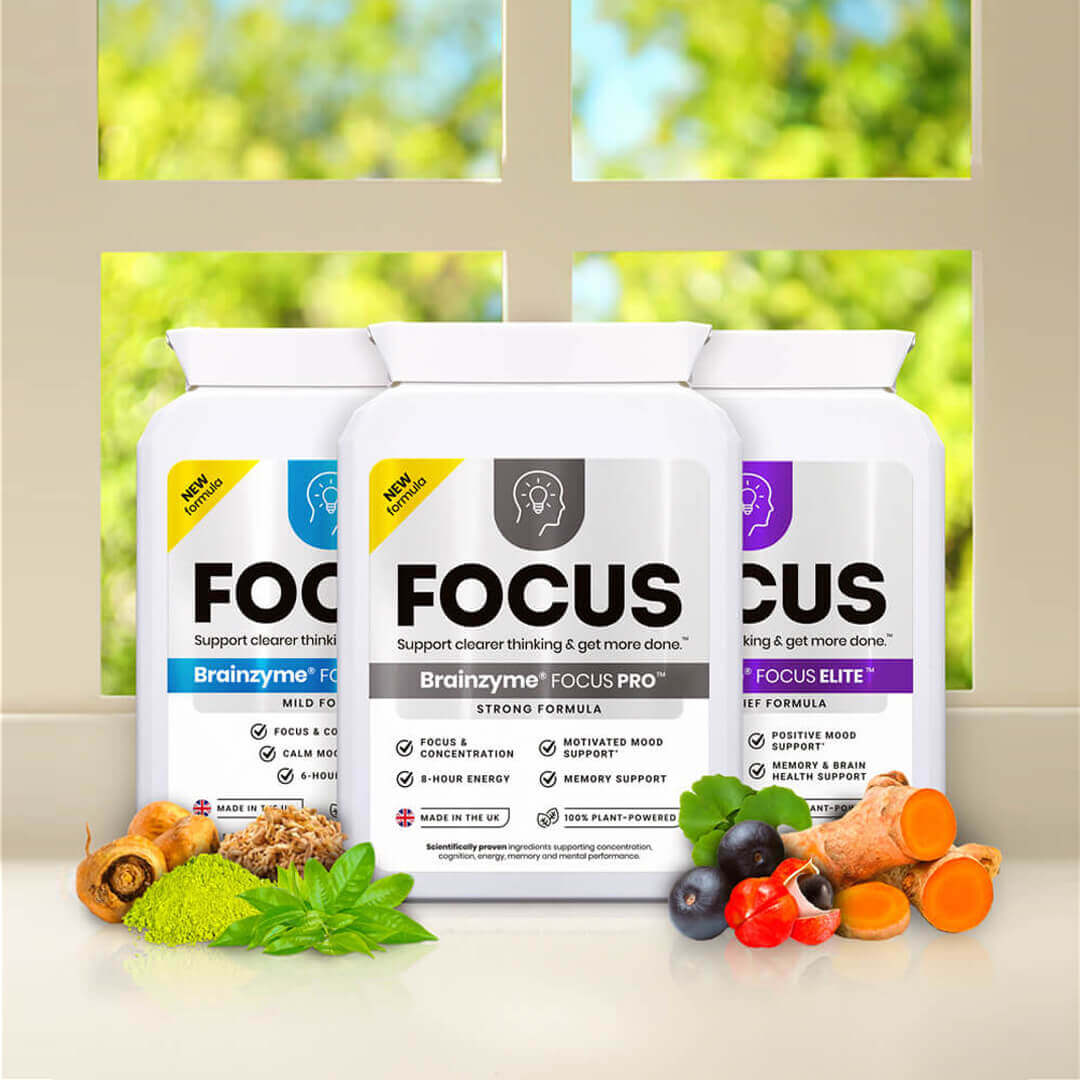
Whether you're running kitchen experiments or tackling challenging study sessions, having the right support makes all the difference. Brainzyme offers scientifically proven plant-powered focus supplements designed to help you stay alert, organised, and motivated throughout your learning journey.
Discover how the right nutrition can complement your new experimental mindset and support your brain's natural abilities. Visit www.brainzyme.com to learn more about how Brainzyme works and find the formula that's right for you.