
 DACH
DACH
 FR-BE
FR-BE
 US-CAN

In a world where information flies at you from every direction, you need a reliable way to separate strong evidence from shaky guesswork. Whether you're writing an essay, making a health decision, or simply trying to understand what's true, this quick evidence quality checklist helps you evaluate any claim in seconds. No PhD required - just a few smart questions about the source, the method, and whether the data actually backs up what's being said.
Check the Source and Credibility
Your first question should always be: Who is making this claim, and how do they know? Not all sources carry the same weight. Look for reputable institutions, qualified experts, and work that has been peer reviewed by other specialists in the field.
Here's a helpful way to think about it: If evidence were fruit at the market, peer review is the wash-and-inspect process that stops you from accidentally biting into a wax apple. It's the quality control that catches errors and exaggerations before they reach you.
Also check the basics:
- Is the evidence recent enough to be relevant?
- Does it use a sample that actually represents the group it's talking about?
- Are there control groups to rule out other explanations?
These simple checks can save you from building arguments on shaky foundations.
Compare Multiple Sources and Viewpoints
One of the biggest mistakes you can make is trusting a single source and calling it research. Real confidence comes from corroboration - when multiple independent sources tell the same story.
Cross-reference what you've found. Does a second reputable source back up the claim? What about a third? If you're reading something on social media or encountering a sensational headline, take an extra moment to check fact-checking sites like Full Fact or Snopes.
Different viewpoints also help you spot bias and get a fuller picture. If everyone's saying the same thing from different angles, you're on solid ground. If only one source is making a bold claim that nobody else mentions, that's your red flag.
Test the Link Between Data and Claims
This is where many claims fall apart. Just because two things happen together doesn't mean one caused the other. Correlation shows a pattern - 'these things happen at the same time' - but it's not proof of cause and effect.
Ask yourself: Does the conclusion actually fit the data, or is someone making a leap? Has the research controlled for other factors that might explain the pattern?
For example, if a study notices that people who drink coffee tend to wake up early, that doesn't prove coffee causes early rising. Maybe early risers simply choose to drink coffee. The pattern exists, but the cause could go either way - or be something else entirely.
Apply the Personal Decision Test
Here's your final quality check: If this claim were about something important in your life - your health, your finances, your education - would you make a major decision based on this level of evidence?
If the answer is no, you've just identified a gap. Keep digging, find better sources, or stay cautious until you have stronger proof.
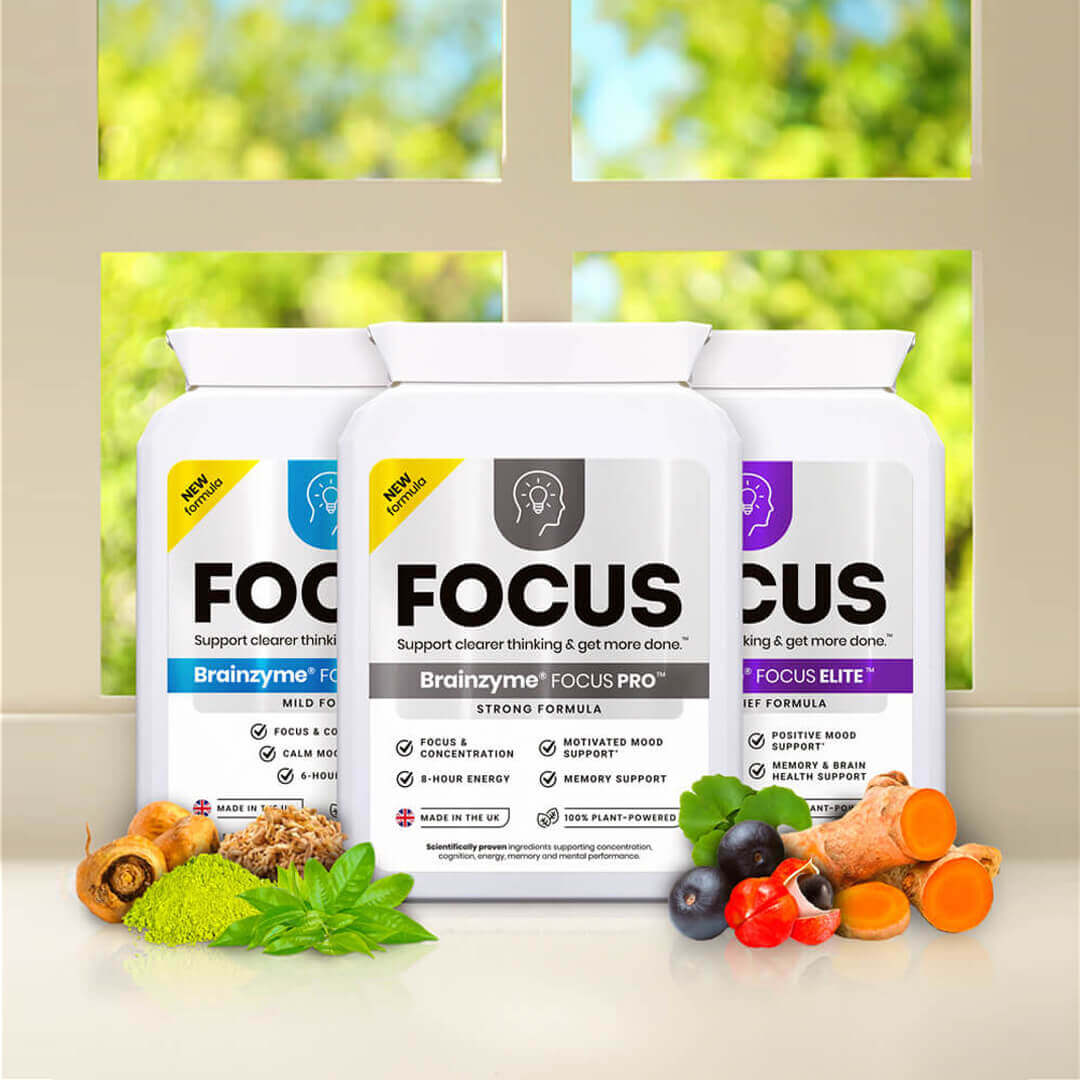
Building a habit of checking source, method, and match helps you cut through 'fake news' and make smarter decisions every day. And when you need that extra edge to stay focused while you research and evaluate information, Brainzyme's scientifically proven plant-powered focus supplements can support your concentration and mental clarity. Visit www.brainzyme.com to discover how natural ingredients can help you think more clearly and work more effectively.