
 DACH
DACH
 FR-BE
FR-BE
 US-CAN

Ever walked into an exam or meeting and watched your brain go completely blank? You studied for hours, yet the knowledge has vanished. The frustrating truth is this: it's not that you forgot — it's that your memory didn't know when to show up. The missing piece is a memory cue, the small signal that tells your brain, 'Hey, bring up that fact now.' When you attach what you learn to the kinds of signals you'll actually see later, recall becomes faster, smoother, and far more reliable.
Why Your Memory Goes Blank (And It's Not Your Fault)
Think of a memory cue like a doorbell for a specific piece of knowledge. If no one rings it, nobody answers. Your brain isn't failing you — it's just waiting for the right signal. The problem is that most of us study in one context (quiet room, textbook open) but need to recall in another (noisy office, client on the phone). When the cues change or fade, retrieval fails. So instead of hoping you'll remember, it's time to design the doorbell yourself.
Here are real-world examples of powerful memory cues:
- Link a complex formula to the moment you open your spreadsheet
- Tie a safety procedure to the sound of a machine starting
- Connect a client's name to the exact chair where they always sit
How to Build Memory Cues That Actually Work
The secret is making cues concrete and personal. Vague hope won't cut it. Instead, use if-then links: 'If I open the client file, then I state the three key questions.' This teaches your brain that this signal means bring up this knowledge. Practice pulling the idea only when the cue appears — not randomly, but in the exact context where you'll need it later.
Start with short, spaced run-throughs. You don't need marathon sessions. Just a few quick practices where you see the cue, recall the knowledge, and move on. Over time, you'll feel the right thoughts pop up at precisely the right moments, almost like magic (but it's just smart design).
Practice Makes Perfect Recall
Here's your action plan:
- Pick the real-life situation where you want the knowledge to appear
- Choose a clear, specific cue from that situation (an object, a sound, a location)
- Practise recalling the information only when you see or hear that cue
- Repeat in short sessions over a few days
Think of your memory like a friendly puppy: it comes when you whistle — but only if you first teach it which whistle means 'fetch this fact'. Build the doorbell now so your memory answers when it counts.
Support Your Memory With Brainzyme
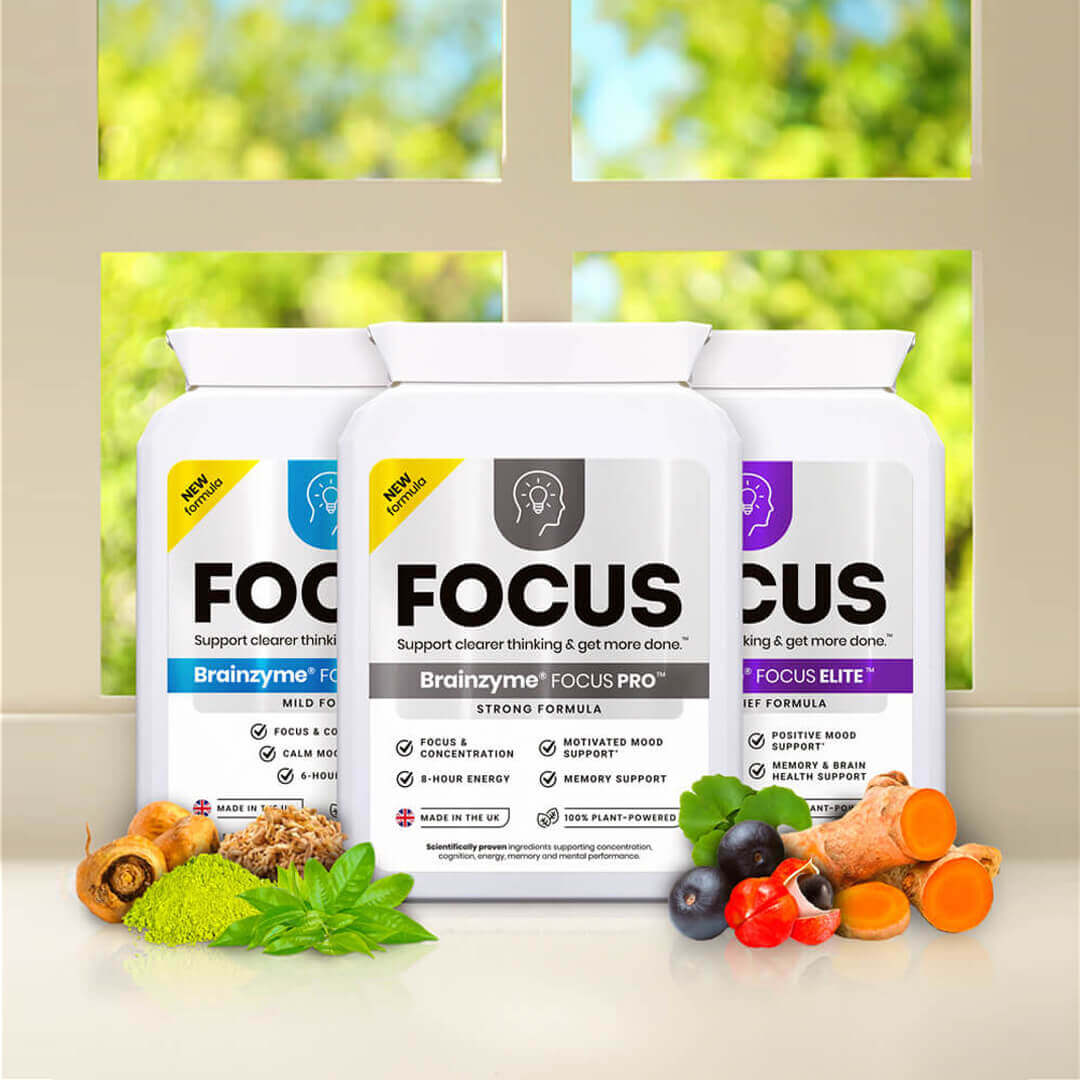
Designing effective memory cues is a game-changer, but your brain also needs the right fuel to perform at its best. Brainzyme's scientifically proven plant-powered focus supplements are formulated to support concentration, mental clarity, and sustained cognitive performance — helping you stay sharp when it matters most.
Discover how Brainzyme works and find the formula that fits your goals: www.brainzyme.com