
 DACH
DACH
 FR-BE
FR-BE
 US-CAN

If you've ever felt frustrated trying to cram complex information into the wrong type of diagram, you're not alone. The truth is, different topics have different shapes. Some move step by step, some repeat in cycles, and some are woven from interconnected ideas. The key to better study notes isn't about drawing more—it's about matching your visual sketch to the shape of the content itself. Then, by switching between forms, you uncover connections you'd miss if you stuck to just one.
Flow Charts for Sequential Steps
When you're learning a process that has a clear beginning, middle, and end, a flow chart is your best friend. This format lays out steps in chronological order, making it easy to follow the path from start to finish. Think of recipes, scientific methods, or any procedure that follows a logical sequence.
- Each box represents one action or decision point
- Arrows show the direction of movement
- The linear structure keeps you focused on what comes next
Flow charts work brilliantly for neurodivergent learners who benefit from clear, structured pathways through information.
Cycle Diagrams for Repeating Processes
But what happens when a process doesn't end—it loops back to the beginning? That's where cycle diagrams shine. Use this format for anything that repeats: the water cycle, economic systems, habit loops, or seasonal patterns.
- The circular structure shows how the end connects back to the start
- Each segment represents one phase of the cycle
- The continuous flow emphasises repetition and ongoing movement
Cycles help you see patterns rather than endpoints, which is crucial for understanding systems that regenerate or repeat.
Concept Maps for Connected Ideas
When you need to capture the big picture of how ideas relate to each other, concept maps are the tool. Unlike linear diagrams, concept maps spread across the page like a web, with labelled arrows that explain relationships. These linking words turn your diagram into readable sentences: 'Mitochondria produce energy' or 'Study habits influence exam performance.'
- Central concepts branch out to related ideas
- Labelled connections explain why things relate
- The flexible structure adapts to complex, non-linear topics
This format is perfect for subjects like biology, history, or philosophy, where meaning emerges from relationships between concepts.
Switch Between Forms to Discover New Connections
Here's where the real magic happens. Start with the diagram that naturally fits your topic, then convert it into another form. Turn a flow chart into a concept map by adding linking words that explain why each step connects to the next. Or take one branch of a concept map and spin it into a flow chart that shows a clear procedure.
Switching between visual forms is like looking at the same scene from different angles. Each view reveals something the other misses. A flow chart shows you sequence; a cycle shows you repetition; a concept map shows you meaning. Together, they give you both structure and understanding. With just a few pens and a blank page, you can transform your notes from confusing to crystal clear.
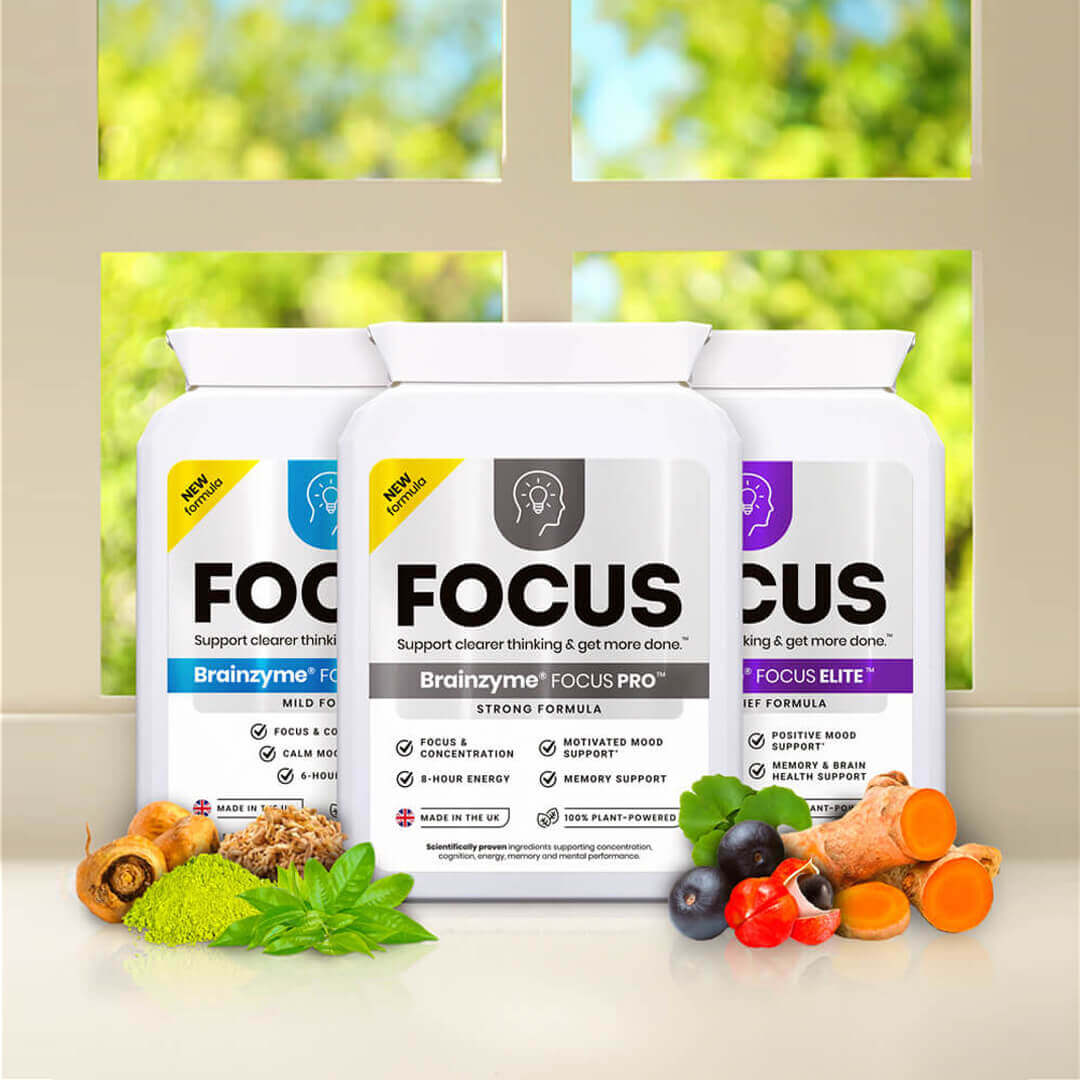
Whether you're preparing for exams, tackling new material, or simply trying to make sense of complex topics, choosing the right visual tool makes all the difference. At Brainzyme, we understand that effective learning strategies work even better with the right support. That's why we've developed scientifically proven plant-powered focus supplements designed to help you stay sharp and engaged during your study sessions.
Ready to discover how natural focus support can enhance your learning? Visit www.brainzyme.com to explore how Brainzyme works.