
 DACH
DACH
 FR-BE
FR-BE
 US-CAN

Welcome to the single most powerful shift you can make in your study routine. If you've been rereading notes and textbooks until your eyes glaze over, it's time to stop. Active recall — the practice of closing your materials and pulling information from memory — is the study method that actually builds lasting learning. It may feel harder at first, but that struggle is exactly what makes knowledge stick.
Rereading feels safe. It feels productive. But here's the truth: it's like watching someone else lift weights and expecting your muscles to grow. Your brain builds memory when it has to do the heavy lifting itself. Active recall is that workout.
Read a Section
Start with a manageable chunk. Pick one section, one concept, or even just a few paragraphs. Read it through once with focus and intention. Don't rush, but don't linger either. Your goal here is simple: absorb the core ideas. Think of this as loading the information into short-term memory. You're not trying to memorise it on the first pass — you're just introducing your brain to the material.
Keep your reading session brief. Five to ten minutes is often enough. The magic happens in what comes next, not in how long you stare at the page.
Close the Book
This is the moment that separates passive learners from memory champions. Close your book. Put your notes face down. Look away from the screen. Remove all sources of the information you just read. This step feels uncomfortable, and that discomfort is a sign you're doing it right.
Closing the book forces your brain to shift gears. You're no longer receiving information — you're now preparing to retrieve it. This simple physical action signals to your mind: 'Time to work.'
Recall from Memory
Now comes the real training. Without looking back, try to recall what you just read. Write it down, say it out loud, or simply think it through in your head. List the key points. Sketch the diagram. Explain the concept as if teaching a friend. You might feel like you're fumbling, like you can't remember enough. That struggle is exactly what builds stronger memory pathways.
When you actively retrieve information — even imperfectly — you're teaching your brain to access knowledge on demand. That's the skill you need on test day. Try these quick tactics:
- Write five bullet points from memory
- Turn headings into questions and answer them
- Attempt a practice problem cold before checking steps
- Explain the concept using only your own words
Keep these sessions short and frequent. The goal is repetition, not perfection.
Check Your Work
After you've recalled as much as you can, flip back to the source. Check what you remembered correctly and, more importantly, notice what you missed. This step closes the loop. It shows you where your understanding is solid and where it needs reinforcement. Don't beat yourself up over gaps — they're your roadmap for the next round of practice.
Reviewing what you forgot helps you target your next study session. Make a quick note of concepts that slipped away, then move on. The beauty of this method is that you can repeat the cycle quickly. Read small, recall fast, review briefly, repeat often. Each cycle strengthens the neural pathways until retrieval becomes second nature.
Support Your Study Routine with Brainzyme
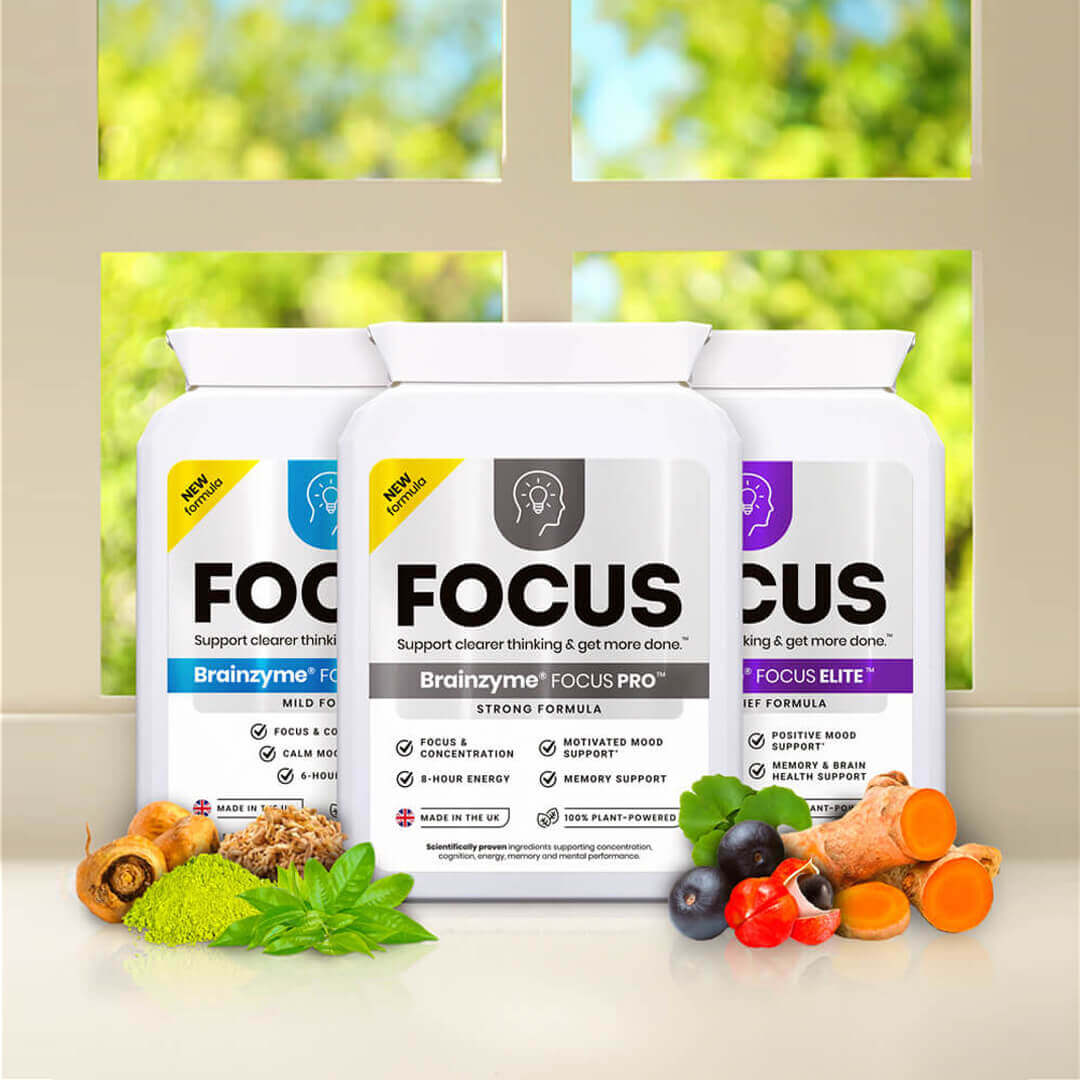
Active recall trains your brain to retrieve information, but what if your focus wavers before you even start? That's where Brainzyme comes in. Our scientifically proven plant-powered focus supplements are designed to support the clarity and concentration you need to make study techniques like active recall truly effective. When your mind is sharp and engaged, every recall session builds stronger memories.
Ready to give your brain the support it deserves? Discover how Brainzyme works at www.brainzyme.com and see what a difference the right focus can make.