
 DACH
DACH
 FR-BE
FR-BE
 US-CAN

If your revision notes look like a wall of text, you're probably just skating across the surface. Welcome to a smarter way to study: turn those dense paragraphs into short learning paragraphs that end with a question you answer from memory. It's a tiny shift that transforms passive reading into active learning, helping you build a mental map that actually sticks.
Start with Your Notes
Look at your current notes. Are they crammed with facts, copied sentences, and highlighted lines? That's where most people get stuck. Dense notes feel productive, but they don't encourage your brain to do the hard work of understanding.
The first step is simple: acknowledge that messy, information-heavy notes need restructuring. You're not throwing them away—you're preparing to turn them into something far more useful. Set them in front of you and get ready to transform confusion into clarity.
Summarise in Your Own Words
Now comes the magic. Pick one topic from your notes and write 3–5 clear sentences explaining it as if you were teaching a friend. This forces you to process the material, not just copy it.
- Use your own language and examples
- Keep it short and focused
- Aim for clarity over complexity
This rewriting step is where real learning begins. When you have to explain something in your own words, your brain shifts from passive recognition to active elaboration. That effort is what builds understanding.
Add a Question
Here's the game-changer: at the end of your learning paragraph, write one meaningful question. It could be:
- Why does this concept work?
- How would I apply this in a real scenario?
- What might challenge or break this idea?
The question isn't decoration—it's your trigger for active recall. Your brain loves an unanswered question. It creates a little itch that keeps you engaged and sets you up for the most powerful part of the process.
Answer from Memory
Close your notes. Seriously, close them. Now answer the question you just wrote, pulling the information from your memory. Speak it out loud or write it down—whatever feels natural.
Once you've answered, open your notes and check yourself. Use a different colour pen to correct or add details. This self-checking loop is retrieval practice in action, and it's one of the most scientifically backed methods for long-term retention.
Do this across multiple study sessions. Mix in new questions each time. Before long, you'll have a set of self-quizzing blocks that build a clear mental structure and make recall easier when it counts.
Support Your Brain with Brainzyme
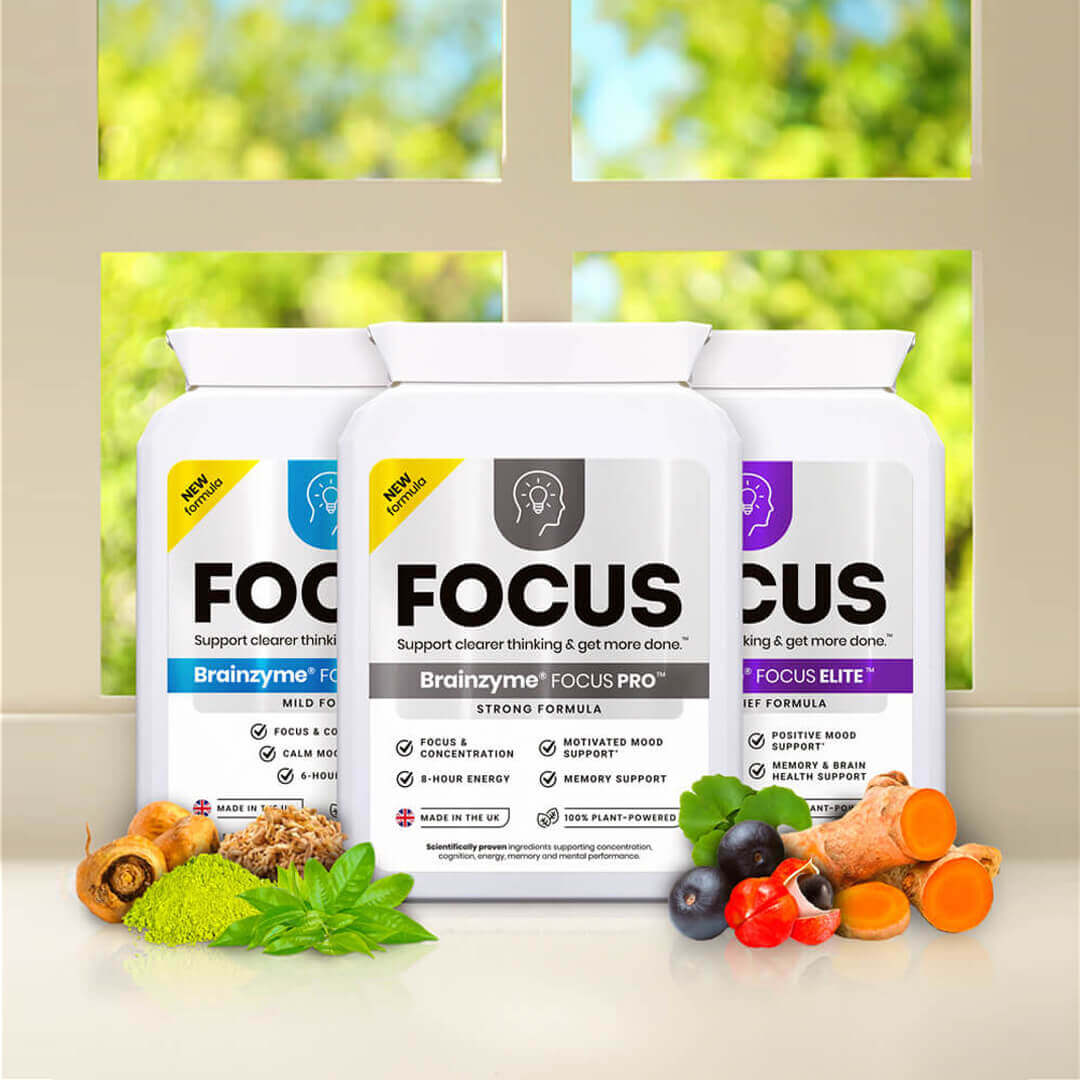
Transforming your study habits takes focus, clarity, and consistency. If you're looking for an extra edge, Brainzyme offers scientifically proven plant-powered focus supplements designed to support concentration and mental performance.
Discover how Brainzyme works and find the right support for your learning journey. Visit www.brainzyme.com to explore your options.