
 DACH
DACH
 FR-BE
FR-BE
 US-CAN

When information arrives as a dense wall of words, your brain has to work overtime to make sense of it all. If you're studying processes, sequences, or anything that follows a logical order, it's time to give your mind a break. Flowcharts are your secret weapon for turning confusing text into a visual path you can actually follow. Instead of rereading the same paragraph three times, you'll have a clear map that guides you from start to finish.
Identify the Process
Before you pick up a pen, take a moment to recognise what you're dealing with. Flowcharts work brilliantly when you're learning:
- Step-by-step procedures (like scientific methods or historical timelines)
- Cause-and-effect relationships (what leads to what)
- Decision trees (if this happens, then that follows)
The key is spotting information that has a clear sequence or flow. Once you've identified that you're looking at a process rather than random facts, you're ready to start mapping it out. This simple recognition step saves you from trying to force-fit the wrong information into a flowchart format.
Box the Starting Point
Every journey needs a clear beginning. Write down the very first step or starting condition in a box at the top of your page. This could be 'experiment begins', 'event occurs', or whatever kicks off the sequence you're studying. Don't worry about making it perfect—just get that first box down.
This initial box is your anchor point. It tells your brain, 'This is where we start, and everything flows from here.' You're giving your mind a concrete entry point instead of a vague 'somewhere in the middle' feeling that comes from dense text.
Connect the Steps
Now comes the satisfying part. Add another box for the next step in the sequence, then draw an arrow connecting your first box to the second. Keep going: box, arrow, box, arrow. If there's a choice or split in the process, let your arrow branch into two paths and label each one.
As you connect each step, you're literally drawing the logic that was hidden in those paragraphs. Your brain loves this because it can now see the relationship between ideas. The arrows act as signposts, showing exactly how one thing leads to another. If you find a gap or something that doesn't make sense, that's brilliant—you've just identified where you need to go back and clarify your understanding.
See the Full Picture
Step back and review your completed flowchart. Read through it out loud, following the arrows from start to finish. Does the flow make sense? Can you explain the process without looking at your original notes? If yes, congratulations—you've created a study tool that's far more powerful than any highlighted paragraph.
The goal isn't to create a work of art. A rough, simple flowchart beats a perfectly written paragraph every single time when you need to remember the order of things. You've transformed complexity into clarity, and that clarity will serve you brilliantly during revision and on exam day.
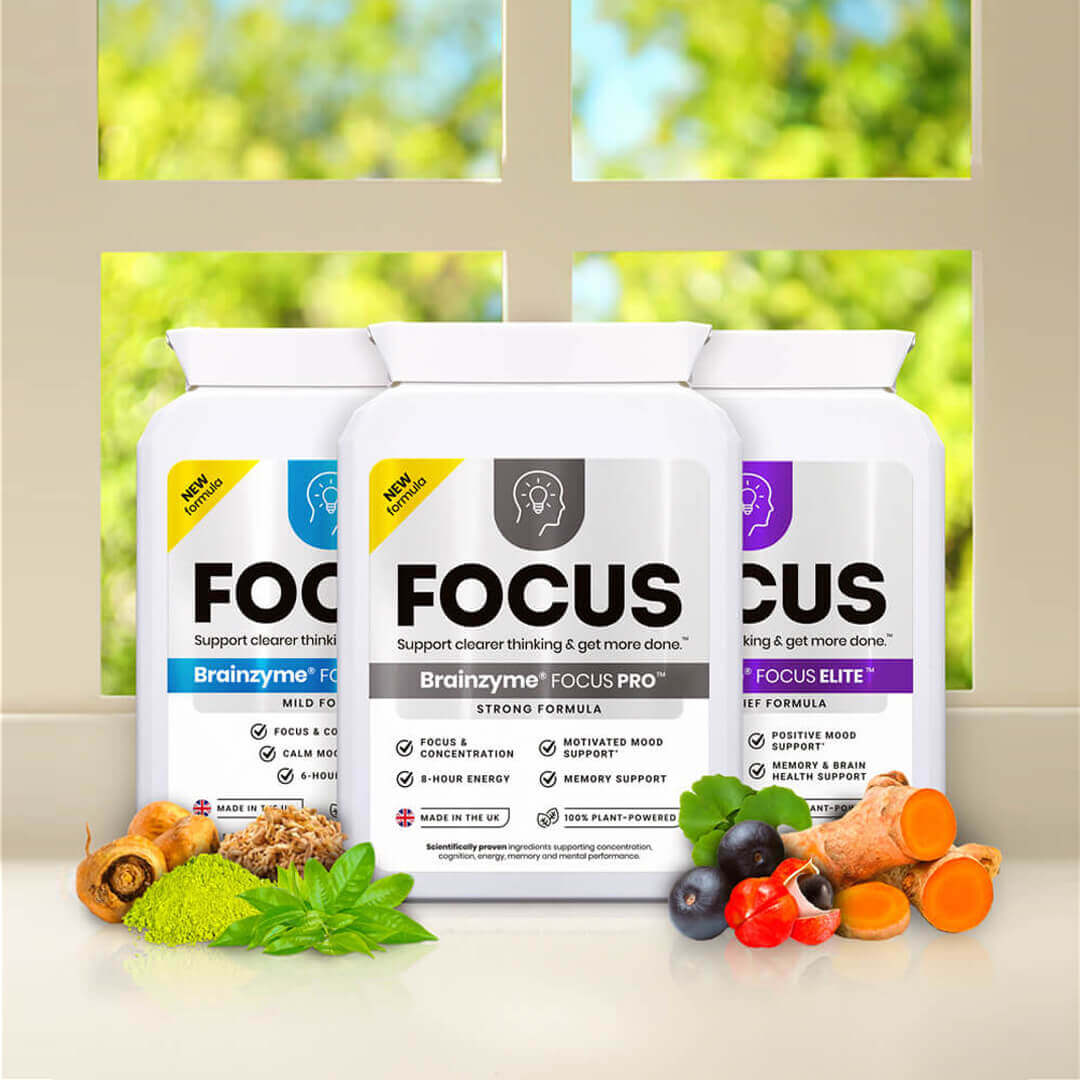
At Brainzyme, we understand that studying smarter means finding the right strategies and the right support. Our scientifically proven plant-powered focus supplements are designed to help you stay sharp and concentrated while you master techniques like flowcharting.
Discover how Brainzyme works and find the right supplement for your study needs at www.brainzyme.com.