
 DACH
DACH
 FR-BE
FR-BE
 US-CAN

Ever read a statement that sounds impressive but leaves you feeling like you've learnt nothing? You've likely encountered a tautology—a circular argument that sounds smart but proves absolutely nothing. Spotting tautologies is one of the most valuable critical thinking skills you can develop, whether you're studying, working, or simply navigating daily decisions. Let's explore how to catch these empty claims before they waste your time.
What Are Tautologies and Why Do They Sound So Convincing?
A tautology is a statement that merely restates its own conclusion using different words. It creates the illusion of proof without actually providing any evidence. Here's the catch: these circular statements feel convincing because the language is polished and tidy, not because the reasoning holds water.
Consider this example: 'The policy is effective because it works.' Sounds reasonable at first, doesn't it? But look closer. The statement hasn't actually shown you why the policy is effective—it's just repeated the claim in slightly different words. Nothing has been demonstrated beyond the original assertion.
Another classic: 'Winners win because they're winners.' This statement is true by definition, but it's completely empty as evidence. It doesn't explain what makes someone a winner or how they achieved success. You've walked in a complete circle and arrived right back where you started.
The Three-Step Test to Catch Circular Logic
Ready to become brilliant at identifying tautologies? Use this quick, practical test whenever you encounter a claim that feels suspiciously neat:
- Strip the sentence to its core. Remove all the fancy language and get to the bare bones of what's actually being said.
- Ask yourself: 'Would this be true no matter what?' If the statement is true simply by definition, it's not providing real evidence.
- If yes, it's a tautology—demand better reasons. Look for evidence you can actually check: data, concrete examples, or logical connections that link a cause to a specific effect.
Let's apply this test. Take the statement: 'This method is the best approach because it's superior to other methods.' Step one: core claim is 'best = superior'. Step two: true by definition. Step three: it's a tautology. A proper explanation would need to tell you what makes it superior and provide measurable evidence.
Why Spotting Tautologies Sharpens Your Thinking
Once you've mastered the skill of identifying circular claims, you'll notice an immediate shift in how you process information. You'll save enormous amounts of time by quickly dismissing empty arguments that lead nowhere. Your decisions become sharper because you're demanding real reasons instead of accepting dressed-up repetition.
Think of circular arguments like walking on a treadmill: lots of motion, zero destination. Real reasons, on the other hand, move you forward. They give you something tangible to work with, question, and build upon. Whether you're revising for exams, evaluating research, or assessing everyday claims, this one critical thinking skill will serve you brilliantly.
Support Your Mental Clarity With Brainzyme
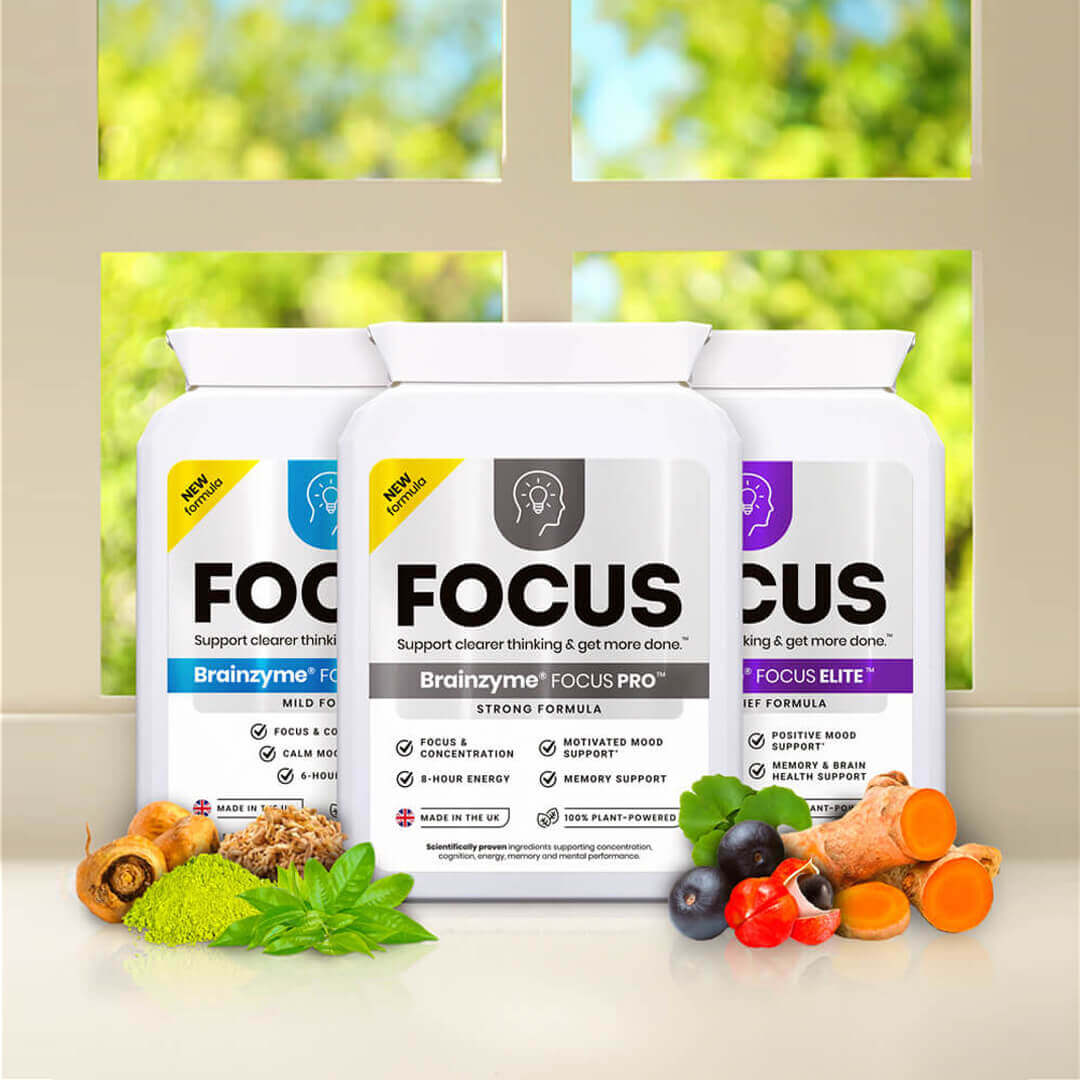
Developing sharp critical thinking skills requires sustained mental focus and clarity. That's where Brainzyme's scientifically proven plant-powered focus supplements can support your cognitive performance. Whether you're studying complex material or working through challenging logic problems, maintaining optimal brain function makes all the difference.
Discover how Brainzyme can support your mental clarity and help you think more sharply. Visit www.brainzyme.com to explore our range and find the right supplement for your needs.