
 DACH
DACH
 FR-BE
FR-BE
 US-CAN

A claim can sound impressive—until you ask, 'Compared to what?' Without a fair comparison, a bold result might be just smoke and mirrors. This one question helps you spot whether a change really did anything or whether other factors were at play. Building the 'compared to what?' habit is your shortcut to evaluating evidence like a pro.
Why Fair Comparisons Matter
Imagine testing a new study technique. You try it for a week and your marks improve. Success, right? Not so fast. If you only look at your own results without comparing them to what would have happened anyway, you can't tell if the technique made the difference. Maybe you were going to do better regardless. Maybe the exam was easier. Maybe you simply slept more that week.
This is where a control group comes in. In research, a control group is a like-for-like comparison where nothing changes. It shows you the baseline—what happens when you don't use the new method. When you compare your results to this baseline, you can see whether the effect is real or just normal ups and downs. A fair comparison also helps you check that other variables (like sleep, stress, or caffeine intake) weren't quietly steering the result.
The Three-Step Comparison Check
When you encounter any claim—whether it's a study hack, a wellness trend, or a productivity tool—use this simple three-step check to separate signal from noise:
- Identify the comparison: What is the claim being compared to? Is there a baseline or control scenario? If someone says 'This method doubled my focus', ask: doubled compared to what? Compared to doing nothing? Compared to your usual routine?
- Ask what else changed: Was the new method the only thing that changed, or did other factors shift at the same time? If you started a new study technique and also began drinking more water, which one helped? Without controlling for other variables, you're guessing.
- Look for a like-for-like group: Is there a similar group or situation where the new thing wasn't used? If that comparison is missing, be cautious. The headline result may be more coincidence than cause.
Building Your Evidence Evaluation Habit
When you build the 'compared to what?' habit, you stop being dazzled by one-off numbers and start looking for solid cause-and-effect. That tiny pause protects you from shaky claims and steers you toward evidence you can trust. You'll start noticing when a study is missing its control group. You'll spot the difference between correlation (two things happening together) and causation (one thing causing another).
This mindset doesn't just help you read research—it helps you run your own mini-experiments. Want to test if a new study routine works? Compare your results to a week when you didn't use it. Curious if a supplement helps? Track your performance with and without it, keeping everything else the same.
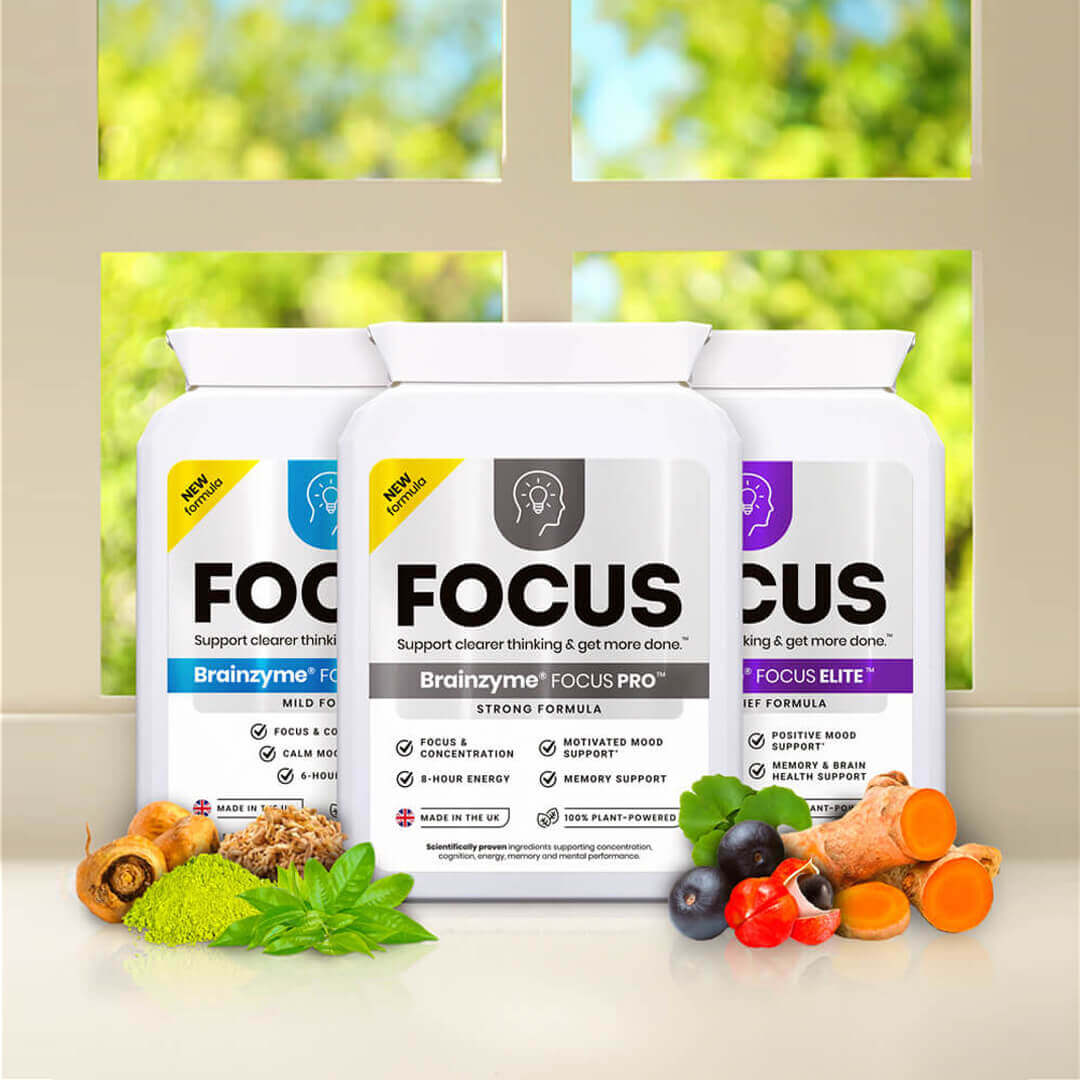
Speaking of supplements, at Brainzyme, we understand the importance of evidence-based support for focus and mental performance. That's why our scientifically proven plant-powered focus supplements are backed by real research, not just headlines. Visit www.brainzyme.com to discover how our products work and see the evidence for yourself.