
 DACH
DACH
 FR-BE
FR-BE
 US-CAN

Ever wonder why some students seem to remember everything whilst others spend hours highlighting and still forget? The secret isn't in the neon ink—it's in how you practise. Active recall is the study technique that transforms passive reading into powerful learning. Instead of rereading your notes for the tenth time, you close the book and pull the knowledge straight from memory. That's the mental workout that makes ideas stick.
Stop Rereading
Rereading feels productive. Your eyes glide over familiar sentences, and everything seems to make sense. But here's the truth: understanding something when it's right in front of you is completely different from being able to recall it later. This is what learning experts call an 'illusion of competence.' Your brain recognises the material, so you think you know it—but recognition isn't recall.
Highlighting creates the same trap. You're marking text, moving your hand, feeling busy. Yet none of that builds the mental structures you need for exam day or real-world application. If you want to test what you truly know, you have to close the book and see what's left in your head.
Close & Recall
This is where real learning begins. After reading a section or studying a concept, close your materials completely. Now try to explain what you just learnt—out loud if possible, or written down in your own words. Don't peek. This feels uncomfortable at first because it exposes the gaps in your understanding, but that discomfort is exactly what drives learning.
Think of it like building a puzzle. Each time you successfully recall a piece of information, you're creating a solid 'chunk' of knowledge—a mental puzzle piece your brain can grab and use quickly. When you only reread, you never build that piece. The effort of retrieval is what cements the chunk in place.
Test Yourself
Once you've tried basic recall, take it further with active testing. Create simple index cards with questions on one side and answers on the other. Work through practice problems without looking at solutions. Explain concepts to a study partner or even to yourself in the mirror. The key is to practise retrieving information, not just reviewing it.
Here are quick ways to test yourself effectively:
- Close your notes and write everything you remember about a topic
- Use flashcards or a quiz app to drill key concepts
- Attempt practice questions before checking the answers
- Teach the material to someone else (or pretend to)
Space these recall sessions out over days, not hours. This 'spacing effect' makes your memory stronger and more durable than cramming ever could.
Build Knowledge
With consistent recall practice, something remarkable happens. Those individual puzzle pieces start connecting into a complete picture. You're no longer memorising isolated facts—you're building a web of understanding that you can apply in different contexts. This is what true mastery looks like.
Remember: practice makes permanent. If you only practise by looking at your notes, you'll get good at recognising information when it's in front of you. But if you practise recalling, you'll get good at knowing—and that's what counts when you need to apply your knowledge under pressure.
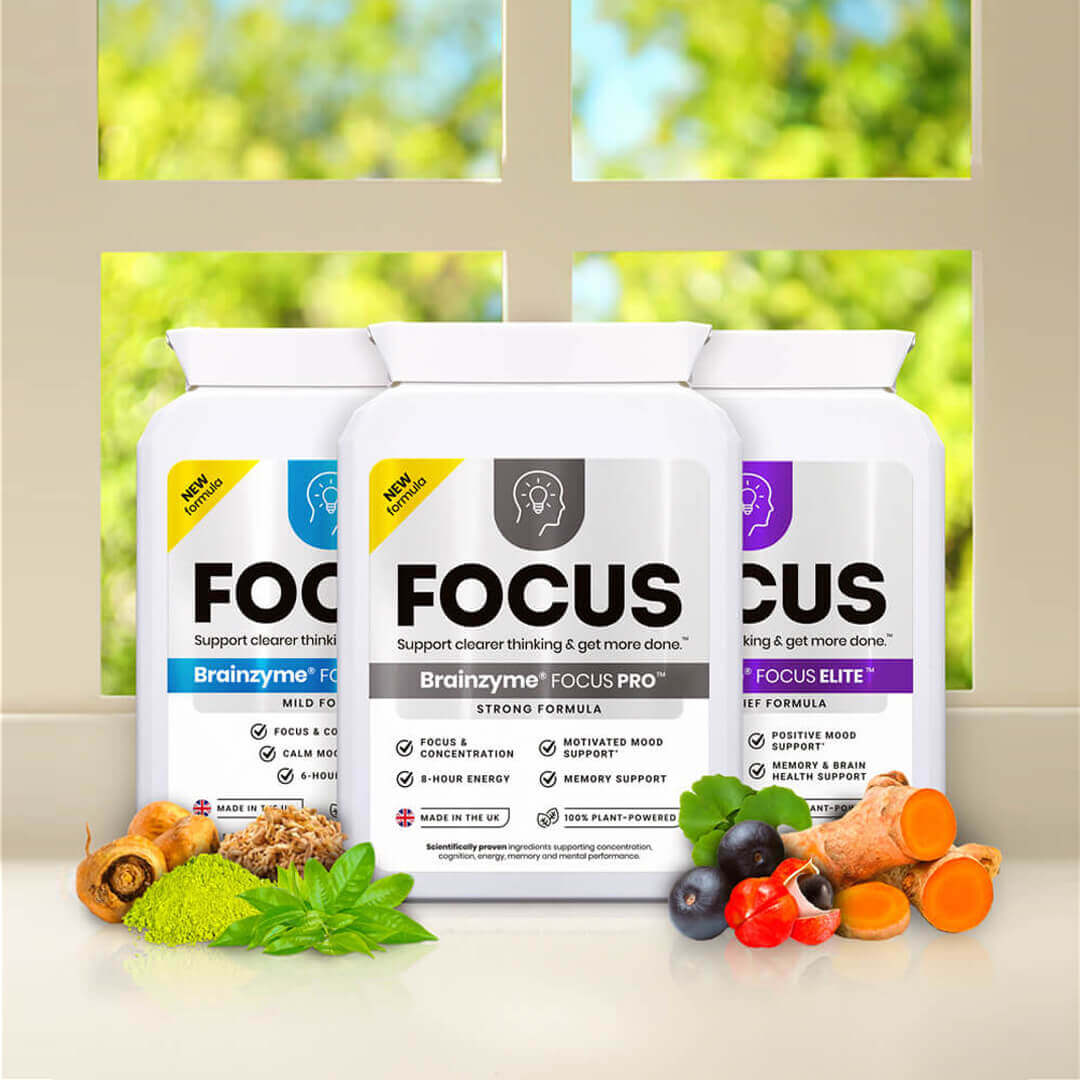
Ready to make your study sessions count? At Brainzyme, we support students with scientifically proven plant-powered focus supplements designed to enhance concentration and mental clarity during those crucial recall sessions. Discover how our natural formulas can complement your active learning approach and help you perform at your best.
Visit www.brainzyme.com to explore our range and find the perfect focus support for your study routine.