
 DACH
DACH
 FR-BE
FR-BE
 US-CAN

Ever finish a chapter only to realise you've retained almost nothing? You're not alone. Reading straight through can feel like pouring water into a leaky bucket—the information flows in and straight back out again. The good news? A proven five-step reading routine can plug those holes, helping you retain more with less effort. This method—look, ask, read, recall, review—transforms passive reading into active learning, turning chapters into clear takeaways that actually stick.
Look: Preview Before You Dive In
Before you start reading word-for-word, take a few minutes to skim the chapter. Scan the headings, subheadings, bold terms, diagrams, and chapter summaries. This quick preview gives you the 'big picture' and creates a mental framework for what's coming. Think of it like looking at a map before a journey—you'll navigate the content far more confidently when you know the lay of the land.
Ask: Turn Headings Into Questions
Now for the clever bit: turn each heading or subheading into a question. For example, if a heading says 'Photosynthesis Process', ask yourself 'How does photosynthesis work?' or 'Why does photosynthesis matter?' This simple trick is like preheating your brain—it primes you to hunt for specific answers rather than passively absorbing text. Your reading becomes purposeful, and purposeful reading is memorable reading.
Read: Hunt for Answers
Now you're ready to read the section properly, but this time with a mission: answer the questions you just created. As you read, underline or highlight only the information that directly addresses your questions. Resist the urge to mark everything—selective highlighting keeps you focused. You're not just reading anymore; you're solving puzzles, and that active engagement is what makes the difference between forgetting and remembering.
Recall: Close the Book and Test Yourself
Here's where the real learning happens. Close the book (yes, really!) and try to answer your questions in your own words—either out loud or on paper. No peeking. This step might feel uncomfortable at first, but that struggle is your brain creating stronger connections. If you can't recall something, that's valuable feedback. Make a note of the gaps, then move on. This active recall is far more powerful than re-reading the same paragraph five times.
Review: Reinforce and Refresh
Open the book again and check your recall against the actual text. Fill in any gaps, correct mistakes, and write a short summary of the key points. The next day, do a quick five-minute refresh of your notes before moving to new material. This spaced review cements the information in long-term memory. What once felt like a blur of paragraphs now becomes a clear, organised set of takeaways you can confidently use in essays, discussions, or exams.
This structured five-step routine isn't about reading more—it's about reading smarter. By making your study sessions active rather than passive, you'll spend less time re-reading and more time actually learning.
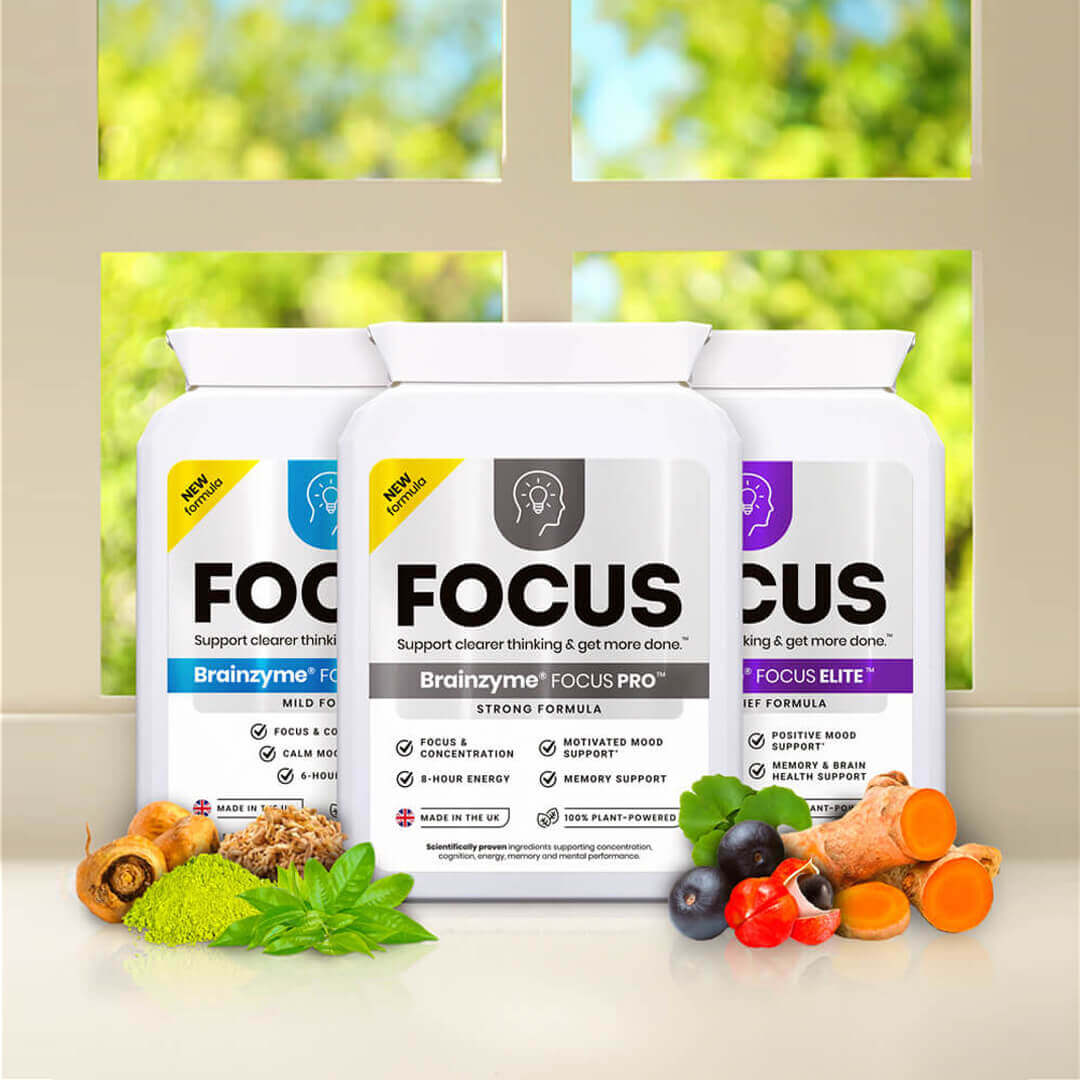
At Brainzyme, we understand that effective study habits work even better when your brain has the support it needs. Our scientifically-proven plant-powered focus supplements are designed to help you stay sharp and mentally energised throughout your study sessions.
Discover how Brainzyme can support your learning journey at www.brainzyme.com