
 DACH
DACH
 FR-BE
FR-BE
 US-CAN

You open your notes, draw a blank, and think it's all gone. But here's the truth: your brain keeps shortcuts from past study, which means a quick refresher can wake things up much faster than the first time you learned it. Relearning isn't starting over—it's switching the lights back on.
Don't Panic When You Forget
The moment you realise you've forgotten something, your stress levels spike. You might think all your hard work has vanished. It hasn't. Forgetting is a natural part of how memory works, not a sign of failure.
Your brain stores information in layers, and even when you can't access something immediately, the pathways are still there. They just need a gentle nudge to reactivate. Instead of panicking, treat forgetting as a signal to refresh—not to restart from scratch.
Use Quick Recall Checks
Start with a short recall check: close your notes and list what you remember. Don't worry if it's only a few bullet points. This active retrieval is the first step in waking up those dormant pathways.
- Write down key concepts from memory without looking
- Note any gaps or fuzzy areas
- Resist the urge to peek too soon
This simple exercise primes your brain to recognise what it already knows, making the next step far more effective.
Scan and Rebuild Your Knowledge
Now scan your notes to recognise the bits you missed. Recognition is easier than recall, so you'll spot familiar ideas quickly. Then comes the magic: rebuild tricky concepts in your own words.
These three angles—recall, recognition, and reconstruction—work together beautifully. Recall tests what you know. Recognition fills the gaps. Reconstruction cements it all by making the information truly yours.
- Compare your recall list with your notes
- Highlight what you'd forgotten
- Rewrite complex ideas using your own examples
Why Relearning Works Faster
Here's the science bit: your brain doesn't delete old learning. It just deprioritises it. When you revisit material, you're not building new paths—you're strengthening existing ones. That's why it feels faster the second time around.
Use brief, spaced refreshers. Think small: a quick run-through of key headings, one problem you've solved before, or a fast re-read of your summary. You're not cramming—you're nudging your memory awake.
A few focused nudges beat long, stressful sessions. And when you feel that 'lightbulb moment' of recognition, you'll build confidence knowing your brain was storing it all along.
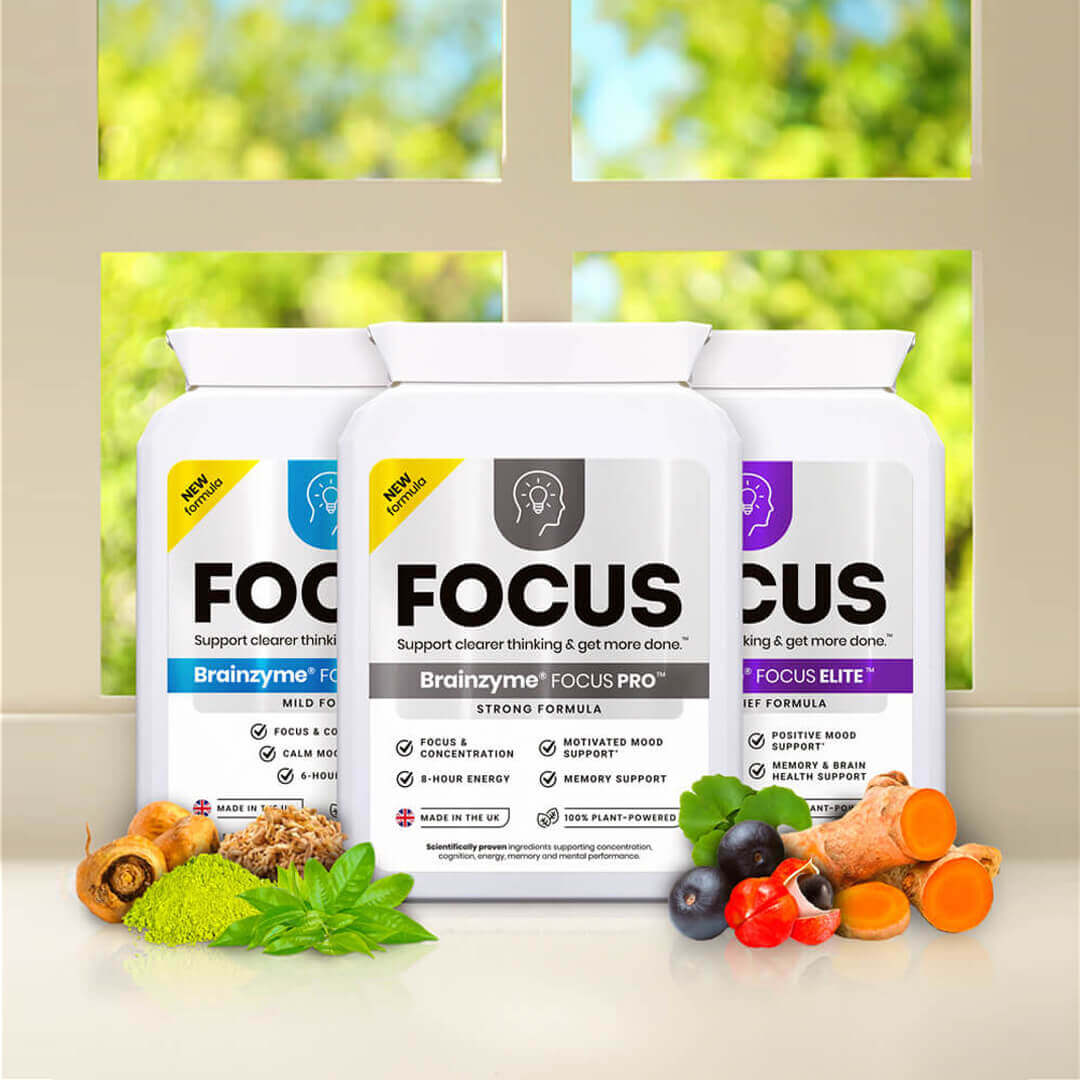
Whether you're revising for exams or trying to stay sharp during intense study periods, the right support can make all the difference. Brainzyme offers scientifically proven plant-powered focus supplements designed to help you concentrate, retain information, and perform at your best.
Discover how Brainzyme works and find the formula that fits your study style at www.brainzyme.com.