
 DACH
DACH
 FR-BE
FR-BE
 US-CAN

Ever feel buried under a mountain of text, treating every single word like it holds the secret to the universe? You're not alone. Most of us were taught to read slowly and carefully, giving equal weight to every word on the page. But here's the truth: not every word deserves your full attention. When you read for ideas instead of individual words, you unlock faster comprehension and better retention. Let's explore how to master this game-changing approach to reading.
Recognise the Reading Overwhelm
That sinking feeling when you open a dense textbook and see walls of text? That's your brain protesting inefficiency. When you try to process every single word with the same level of focus, you exhaust your mental energy before you've even grasped the main point. The overwhelm isn't a sign that you're a poor reader—it's a sign that you're reading inefficiently.
Think about it: you're treating 'the', 'and', and 'of' with the same importance as the crucial nouns and verbs that actually carry meaning. No wonder reading feels like wading through mud. The first step to transformation is recognising that this approach is holding you back.
Set Your Reading Aim
Before your eyes hit the page, pause and ask yourself: what idea am I looking for? This simple question changes everything. When you set a clear aim, your brain activates a filter that helps you spot relevant information faster.
- Skim the chapter headings and subheadings first
- Read the first sentence of each paragraph to map the terrain
- Identify the main topic or question you're trying to answer
With your aim locked in, you're no longer passively absorbing text—you're actively hunting for specific information. This makes reading feel less like a chore and more like a treasure hunt.
Identify the Key Words
Here's where the magic happens. Think of every sentence as a skeleton. The big bones—the nouns and verbs—tell you who's doing what. They carry the weight of meaning. The tiny connecting bits (conjunctions, prepositions, articles) are like glue holding the skeleton together. They're necessary, but they rarely change the core idea.
As you read, train your eyes to land on the heavy words and let the lighter 'glue words' blur in your peripheral vision. You'll still catch them if you need them for clarity, but you won't spend precious mental energy processing each one individually. Nouns and verbs are your friends—they're the words that matter most.
Master the Main Idea
This technique isn't about cutting corners or being lazy. It's about reading for meaning. When you focus on the signal and ignore most of the noise, something remarkable happens: you get through more pages and remember the point better. Why? Because you were aiming at it the whole time.
Your brain isn't designed to store disconnected words—it's designed to grasp concepts. By targeting the skeleton words and the big ideas they support, you're working with your brain's natural strengths, not against them. You'll finish that chapter feeling confident and clear, not drained and confused.
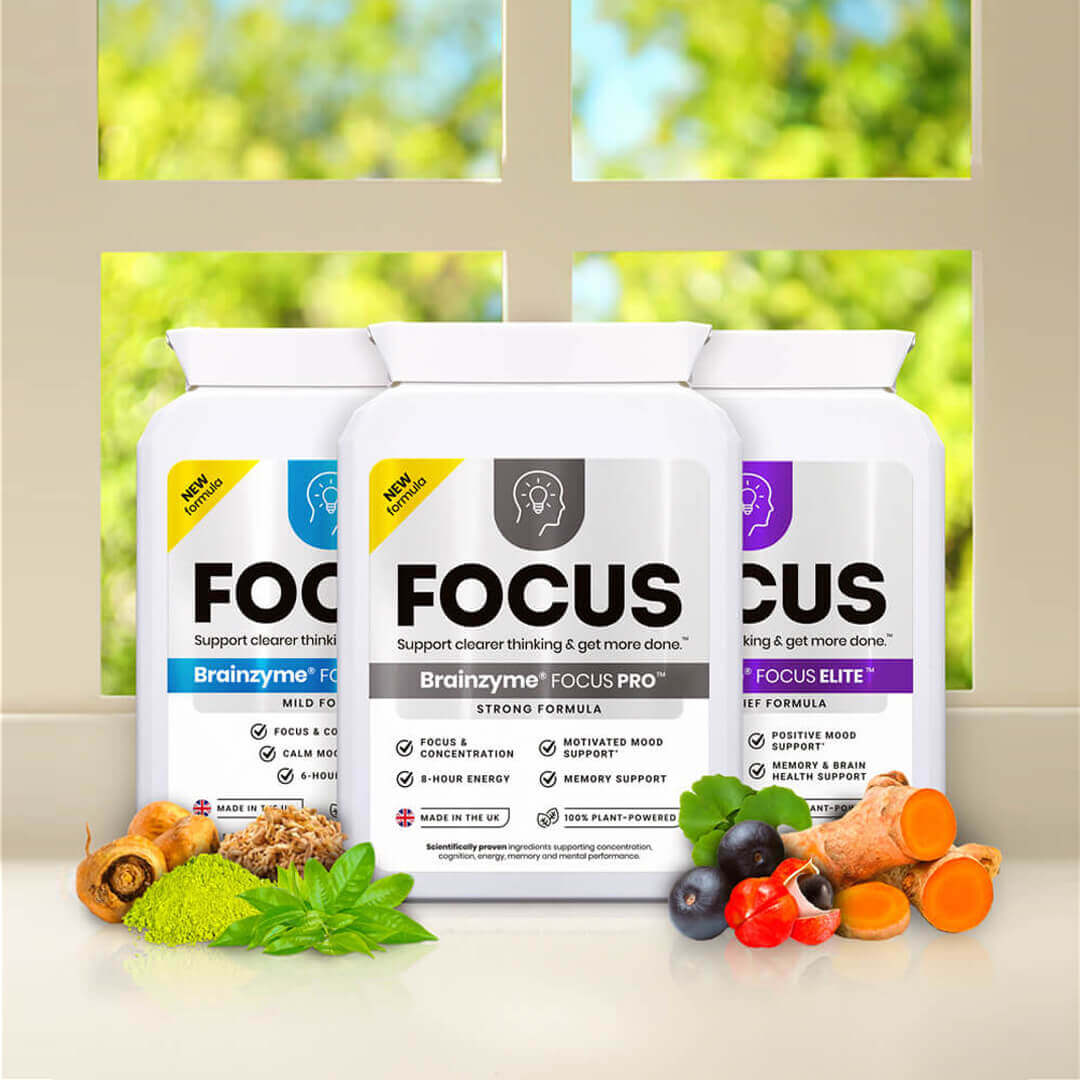
Ready to supercharge your reading sessions even further? Pair these strategic reading techniques with Brainzyme's scientifically proven plant-powered focus supplements to support your concentration and mental clarity throughout long study sessions.
Discover how Brainzyme works and find the right formula for your needs at www.brainzyme.com.