
 DACH
DACH
 FR-BE
FR-BE
 US-CAN

Transform exam anxiety into calm confidence with a proven preparation method. The secret to exam success isn't cramming—it's making the unknown familiar through strategic practice questions and strategic rehearsal. This exam preparation system removes the element of surprise and helps you walk into the test room feeling genuinely ready.
Scout Past Papers
Your first mission is reconnaissance. Before you can predict what's coming, you need to understand the territory. Gather past exam papers from previous years and study them like a detective examining evidence.
Look for patterns in how questions are worded and what skills they're actually testing. Are you being asked to:
- Compare and contrast different theories or ideas?
- Build a coherent argument with supporting evidence?
- Analyse a specific case study or scenario?
- Apply concepts to new situations?
This reconnaissance tells you which intellectual muscles you'll need to flex. Instead of trying to memorise everything, you can focus your energy on developing the specific skills that matter most for your particular exam format.
Write Your Own Practice Questions
Now comes the creative part—put yourself in your examiner's shoes. Based on your scouting mission, write a handful of questions you think could realistically appear on the exam. This isn't guesswork; it's informed prediction based on the patterns you've identified.
Try to mirror the style and difficulty level of real exam questions. If past papers ask you to 'evaluate' or 'critically assess', use that same language in your practice questions. This mental rehearsal primes your brain to recognise similar structures when you encounter them under pressure.
Outline Your Answers
Don't write full essays for every practice question—that's inefficient. Instead, create quick bullet-point outlines that map out your thinking. For each question, sketch:
- Your opening position or thesis statement
- Three to four main points you'd develop
- Key evidence, examples, or data you'd include
- Your concluding thought
Then, identify the crucial facts, dates, formulas, or definitions you absolutely must have at your fingertips for each answer. Create a separate list of these essentials and drill them until they're automatic. When exam day arrives, you won't waste precious time searching your memory—the information will be right there, ready to deploy.
Feel Prepared and Confident
This predict-and-rehearse method does something powerful: it removes surprises and frees up mental bandwidth for actual thinking rather than panicking. You'll recognise the question formats, know which structures to use, and have your key facts loaded and ready.
That calm, confident smile you see in successful students? It comes from this kind of systematic preparation. You're not hoping you've studied the right things—you know you have, because you've already rehearsed the performance.
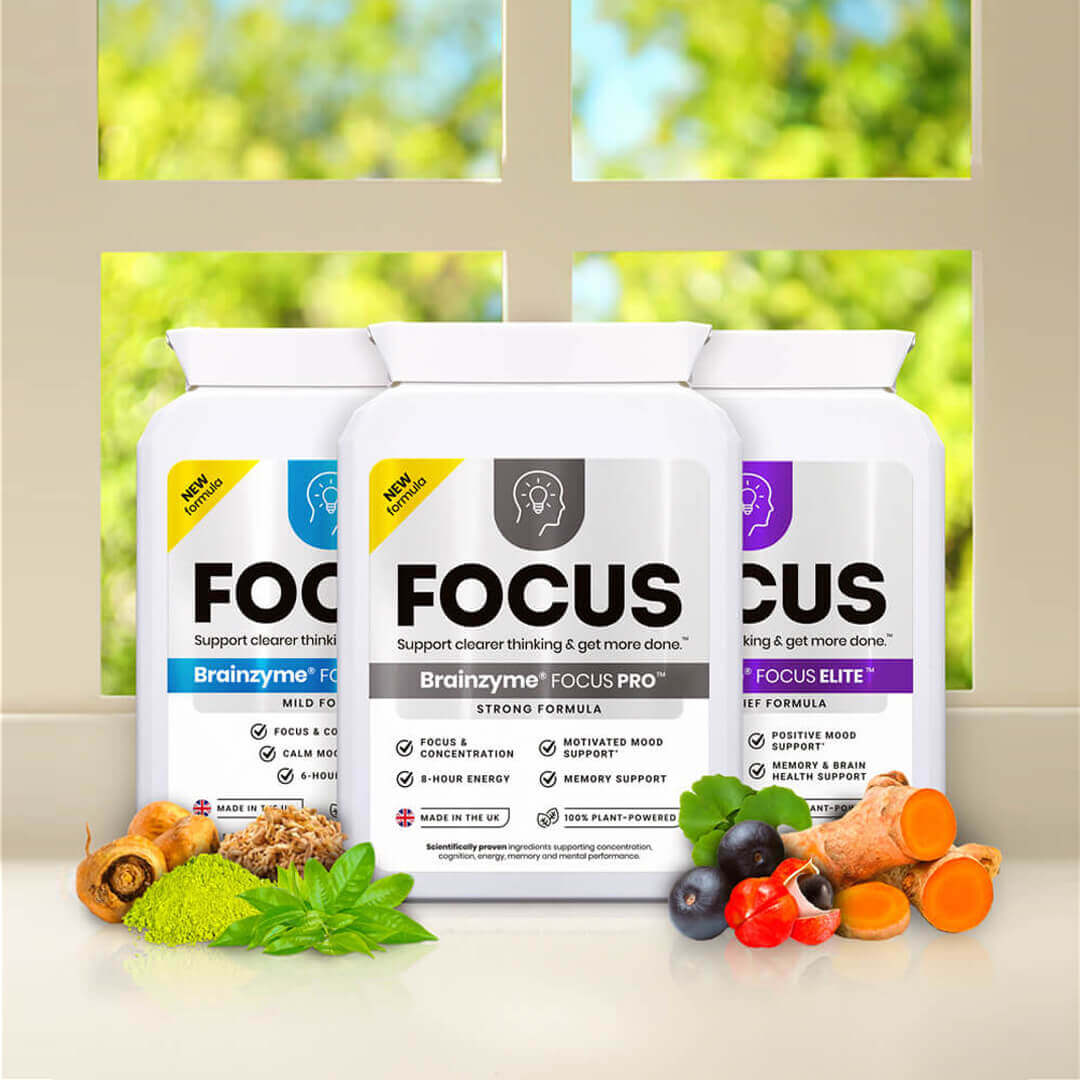
For exam success, your brain needs to be firing on all cylinders. That's where Brainzyme comes in with scientifically proven plant-powered focus supplements designed to support concentration and mental clarity when you need it most.
Discover how Brainzyme can support your study routine and exam performance at www.brainzyme.com.