
 DACH
DACH
 FR-BE
FR-BE
 US-CAN

Welcome! If abstract formulas feel like a confusing jumble of letters and numbers, you're not alone. The good news? There's a proven strategy to transform that confusion into clarity: personalisation. When you personalise formulas by renaming symbols, creating your own examples, and linking numbers to meaningful dates, your brain shifts from seeing random squiggles to recognising patterns you can actually remember.
Why Personalisation is the Key to Mastering Abstract Formulas
Your brain is hardwired to remember the familiar. When you encounter abstract symbols like 'x', 'y', or 'z', they mean nothing to you—they're strangers. But the moment you connect those symbols to something personal, everything changes. Think about it:
- If 'x' represents your monthly rent or your favourite team's score, it becomes a friend.
- If a constant reminds you of a birthday or anniversary, it sticks in your memory.
- If you add a tiny story or quick doodle, the idea finds a permanent home in your mind.
This isn't just a nice trick—it's how your memory works best.
Rename Symbols to Make Them Familiar
Here's your first practical step: give those abstract symbols meaningful names. Instead of working with 'a', 'b', and 'c', rename them to match something you care about.
For example:
- Love baking? Let 'C' stand for Cookies, 'F' for Flour, and 'S' for Sugar.
- Obsessed with football? Make 'G' represent Goals, 'P' for Passes, and 'T' for Time.
- Into music? Try 'B' for Beats, 'N' for Notes, and 'R' for Rhythm.
When variables have names that resonate with you, they're no longer abstract—they're part of your world.
Use Your Own Examples to Create Context
Once you've renamed your symbols, it's time to create a personal story or example. This doesn't need to be elaborate—a one or two-sentence scenario is perfect.
Try this approach:
- Pick a theme you genuinely enjoy (cooking, sports, travel, gaming—anything).
- Rename the formula's symbols to match your theme.
- Write a brief story connecting the parts: 'To make 10 cookies, I need 2 cups of flour and 1 cup of sugar.'
- Add a quick doodle or visual reminder if it helps.
The key is to write it by hand at least once. This physical act gives the formula a 'feel' your brain can latch onto.
Link Numbers to Dates That Matter
Numbers in formulas often slip away because they feel arbitrary. But what if you could tie them to significant dates in your life?
Here's how:
- If a constant is 365, link it to the days in a year or your upcoming anniversary.
- If you're working with 24, think about the hours in a day or someone's birthday.
- Does the formula include 12? Connect it to your graduation month or a memorable holiday.
When numbers become anchored to meaningful moments, they transform from forgettable digits into memorable markers.
Make Learning Your Own with Brainzyme
Personalising formulas isn't childish—it's intelligent strategy. When concepts feel like they're truly yours, you recall them faster and apply them more confidently. That's the whole point of learning: not just recognising material, but using it effectively.
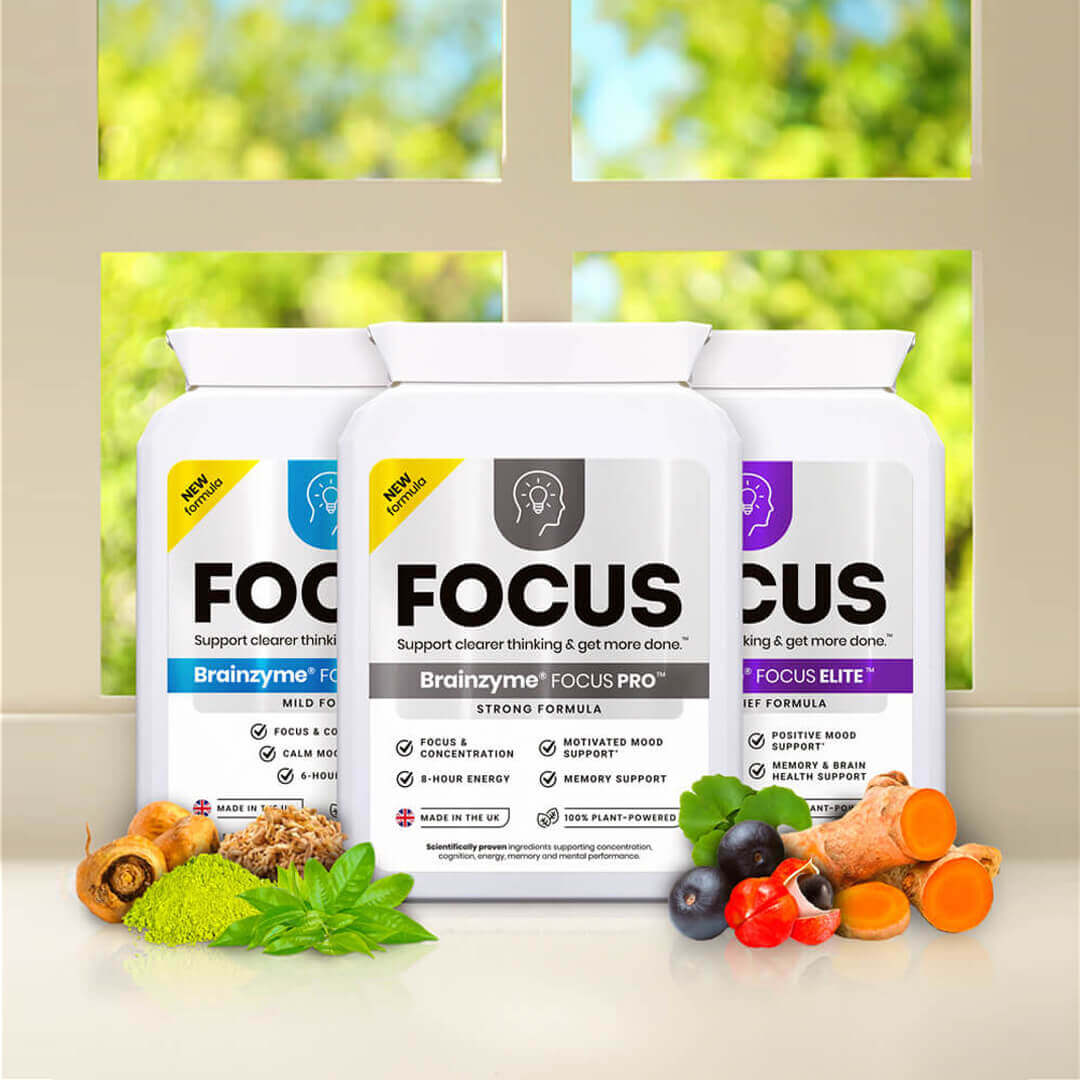
If you're looking for additional support to enhance your focus and mental clarity while studying, Brainzyme offers scientifically proven plant-powered focus supplements designed to help you stay sharp and engaged.
Discover how Brainzyme works at www.brainzyme.com.