
 DACH
DACH
 FR-BE
FR-BE
 US-CAN

Welcome to the art of honest reasoning! Not every 'because' carries the same weight, and that's perfectly fine. The secret to building trust with your reader—whether it's an examiner, a colleague, or yourself—is simple: match your claims to your evidence. When you openly signal how strong your link is, people follow you further and respect your thinking more. Let's explore how to transform tangled arguments into crystal-clear reasoning.
Understanding the Strength of Your Evidence
Think of your reasons like bridges connecting your evidence to your conclusion. Some bridges are made of solid steel—they let you cross with absolute certainty. Others are sturdy rope bridges that get you there safely, but require a more careful step. In reasoning, a steel bridge sounds like this: 'If X is true, then Y must follow—therefore Y.' A rope bridge sounds more like: 'X often leads to Y—so Y is likely.' The key is being honest about which type of bridge you're offering your reader.
Here's the golden rule: don't dress up a rope bridge as steel. If your evidence only suggests a conclusion rather than proving it absolutely, say so. This isn't weakness—it's intellectual integrity, and readers notice the difference.
Choosing Power Words That Match Your Support
Your language should mirror the strength of your reasoning. If your evidence guarantees the result, reach for firm, decisive words:
- 'Therefore' signals certainty
- 'Must' indicates no other outcome is possible
- 'Proves' shows you have airtight support
If your evidence only points in a direction rather than locking it down, soften your language appropriately:
- 'Likely' or 'probably' acknowledges good but not absolute support
- 'Suggests' or 'indicates' works for reasonable but not guaranteed links
- 'May' or 'could' fits when you're presenting a plausible possibility
Also, scale your claim to match your evidence. Bold, sweeping statements need broad, comprehensive support. Narrower claims can run on less. Adjust both the certainty and the scope together.
Why Honest Strength Signals Build Trust
Here's something beautiful about saying 'probably': it shows you're a careful thinker. When you openly state whether your link makes a point certain, likely, or just plausible, you're inviting your reader to trust the bridge you've actually built—not the bridge you wish you'd built.
This transparency keeps your audience with you. They can see you're not overselling, not trying to sneak weak evidence past them dressed up as proof. You're simply showing them the path from A to B and being honest about the terrain. That's the mark of someone worth following.
When you master this skill—matching the confidence of your conclusion to the support you genuinely have—your arguments become clearer, stronger, and more persuasive. You stop wasting energy defending shaky claims and start building reasoning that actually holds.
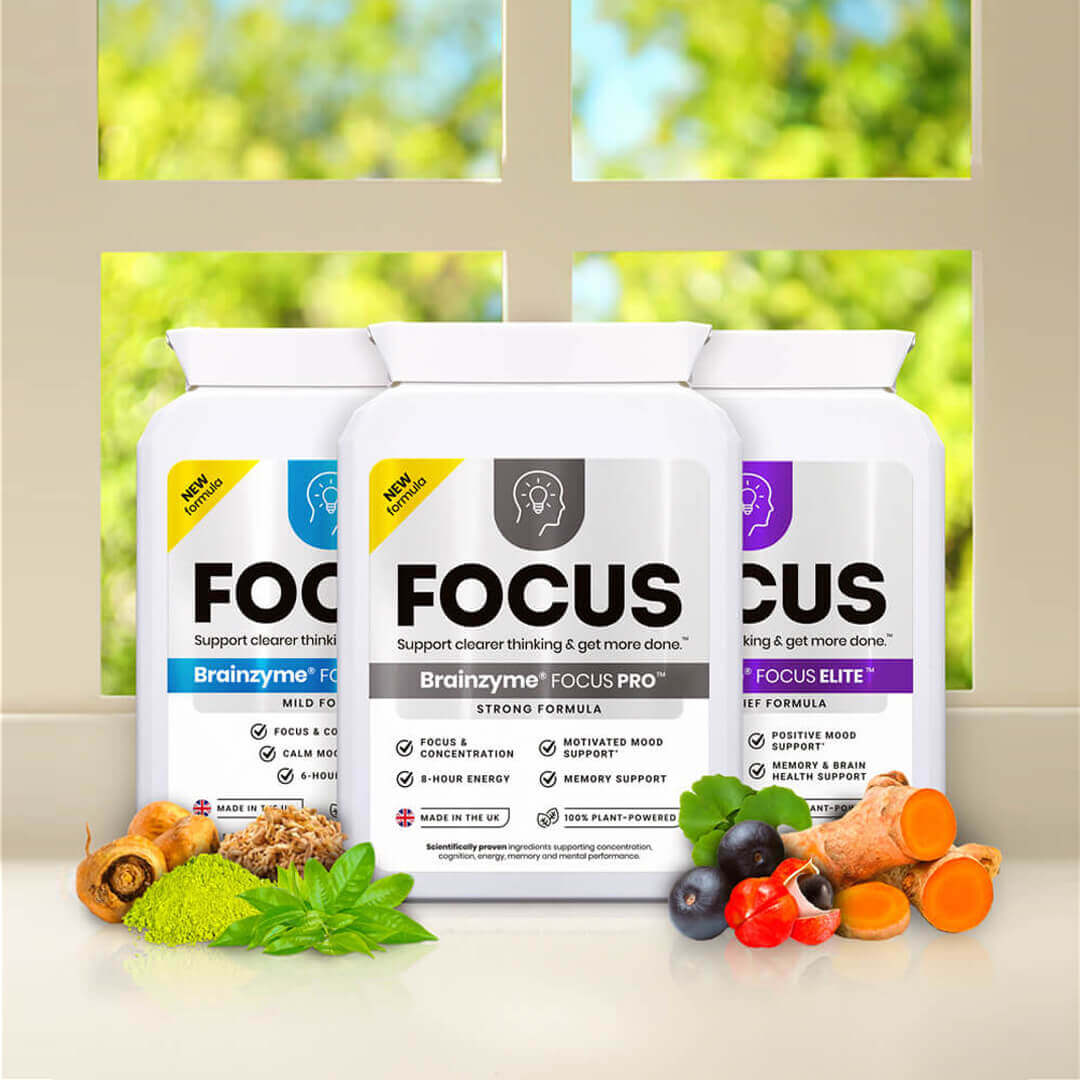
Speaking of clarity and focus, this is exactly where scientifically proven plant-powered focus supplements come in. At Brainzyme, we understand that clear thinking requires both mental skills and brain support. Whether you're crafting an argument for an essay or working through complex reasoning, having the right cognitive foundation makes all the difference.
Ready to see how the right support can sharpen your thinking? Discover how Brainzyme's natural formulas work with your brain at www.brainzyme.com.