
 DACH
DACH
 FR-BE
FR-BE
 US-CAN

You don't need a worksheet to understand part versus whole—just open a drawer. By sorting what's inside, you can see the big group and its smaller groups right in front of you. This simple, tactile approach transforms an abstract concept into something you can touch, move, and truly grasp.
When you practise 'part vs whole' with real objects, you're not just memorising definitions. You're building a mental framework that helps you organise information in every area of life, from science revision to decluttering your space.
Identify the Whole
Start by carefully emptying a drawer—your cutlery drawer works brilliantly. Everything you've tipped out represents 'the whole'. In this case, your whole group is 'kitchen tools' or 'utensils'. This single pile is your starting point, and it contains all the parts you're about to discover.
Take a moment to look at the jumbled collection. What do you notice? Lots of different items, but they all belong to one overarching category. That's your whole, and understanding it sets the stage for everything that follows.
Sort into Parts
Now comes the satisfying bit—begin grouping similar items together. Your 'parts' naturally emerge as you create separate piles: all the forks in one spot, all the spoons in another, all the knives together. Each pile represents a part of your original whole.
As you sort, you're naturally noticing details like:
- Shape and size
- Function and purpose
- Material and colour
These observations aren't random—they're the same investigating skills that strengthen your ability to categorise and classify information in any subject.
Find the Subsets
Here's where it gets really interesting. Pick one of your 'parts'—let's say the spoon pile—and look closer. Can you divide it further? You might find small teaspoons, large serving spoons, wooden spoons, and plastic spoons. These are your subsets, the smaller groups within a part.
Try asking yourself: 'What other ways could we sort these?' You might organise by use (eating versus cooking), material (metal versus wood), or even storage location (drawer versus hook). There's no single right answer, and that's the beauty of it.
Create quick labels if it helps—write 'Whole', 'Parts', and 'Subsets' on sticky notes. Kids especially love sketching a simple chart to capture the hierarchy they've created.
See the Connection
Step back and admire your organised drawer. You've created a clear visual hierarchy: the whole group branching into parts, and those parts branching into subsets. This isn't just tidying—it's a powerful learning tool that makes abstract relationships concrete.
The magic happens when you repeat this with different collections: toys, craft supplies, tools, even your digital files. Each time you practise, the concept becomes more intuitive. What starts as a drawer-sorting activity becomes a mental skill you can apply anywhere—from understanding scientific classifications to structuring an essay.
Fair warning: once you master part versus whole, even your snack mix becomes a sorting experiment!
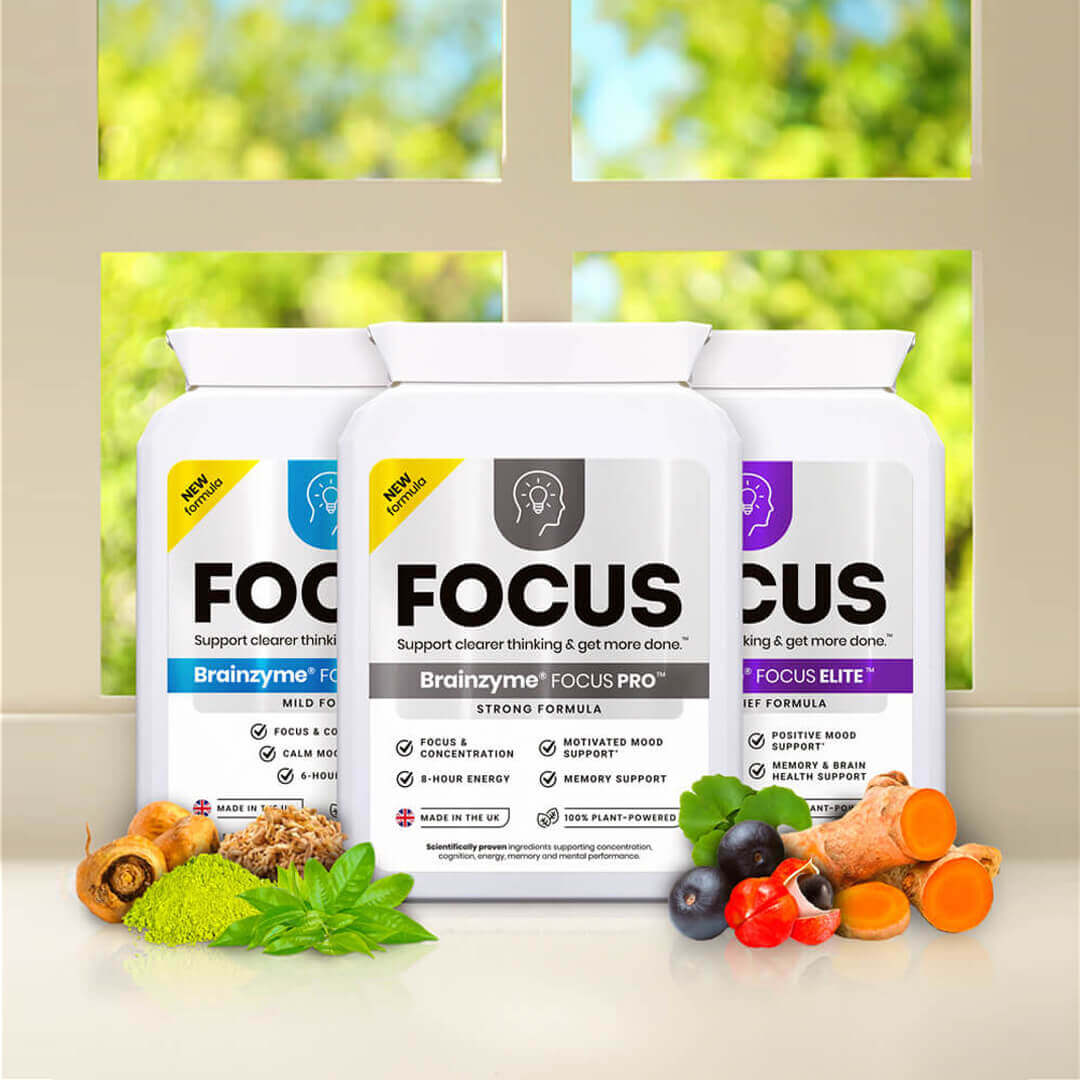
Ready to supercharge your focus while you learn? Brainzyme's scientifically proven plant-powered focus supplements can help you stay sharp during study sessions and organisational tasks alike.
Discover how Brainzyme works at www.brainzyme.com