
 DACH
DACH
 FR-BE
FR-BE
 US-CAN

Want to learn faster and remember more? The secret might surprise you: teach what you're learning to someone else. When you explain a concept to a friend, you're not just being helpful—you're giving your brain a powerful workout that locks knowledge in place and reveals exactly what you need to work on.
Study a New Topic
Start by reading through your material as you normally would. But here's the shift: as you study, imagine you'll need to teach this to someone tomorrow. Notice where you feel confident and where you hesitate. Those hesitation points? They're gold—they show you exactly what needs more attention.
Don't worry about mastering everything first. Even a rough understanding is enough to start the teaching process. The act of explaining will actually help you learn better than reading alone ever could.
Find a Study Partner
You don't need an expert audience—in fact, a fellow learner is often better. Look for someone who's also studying the subject, or even someone who knows nothing about it. Both work brilliantly:
- A fellow student can ask smart questions and share their perspective
- A complete beginner forces you to explain concepts simply and clearly
- Even explaining to a family member or housemate counts
The key is finding someone who'll listen and engage, not judge. Study groups, online forums, or even a willing friend over video call all work perfectly.
Explain and Discuss
This is where the magic happens. Set a timer for 5-10 minutes and explain the concept without looking at your notes. Speak naturally, as if you're having a conversation. Draw diagrams if it helps. Use examples. Make it real.
Your study partner's job is to ask 'why' and 'how' questions. Why does it work that way? How would you apply it? What if this changed? These questions aren't meant to trip you up—they're revealing the gaps in your understanding so you can fill them.
When you stumble, celebrate it. That stumble just showed you exactly what to review next. Go back to your notes, clarify the point, then try explaining it again. This cycle of explaining, questioning, and refining is how deep learning happens.
Achieve Clarity
After teaching, you'll notice something remarkable: the topic that seemed complicated suddenly makes sense. By organising the information to explain it clearly, you've reorganised it in your own mind. The questions you answered forced you to think more deeply than passive reading ever would.
This isn't just a feeling—it's real learning. Studies show that students who use peer instruction and teach-back techniques retain information significantly better than those who study alone. You've essentially held up a mirror to your brain and seen exactly where the knowledge is solid and where it needs work.
Make Teaching Your Study Superpower
Try these quick techniques in your next study session:
- One-minute recap: After reading a section, close the book and explain it aloud for 60 seconds
- Partner swap: Take turns being teacher and student, switching every 10 minutes
- Write a brief summary as if you're creating a study guide for a friend
Teaching isn't just for experts—it's a powerful study tool for anyone who wants to learn faster and remember longer. Whether you're tackling university exams, learning a new skill for work, or simply curious about a subject, explaining it to others will accelerate your progress dramatically.
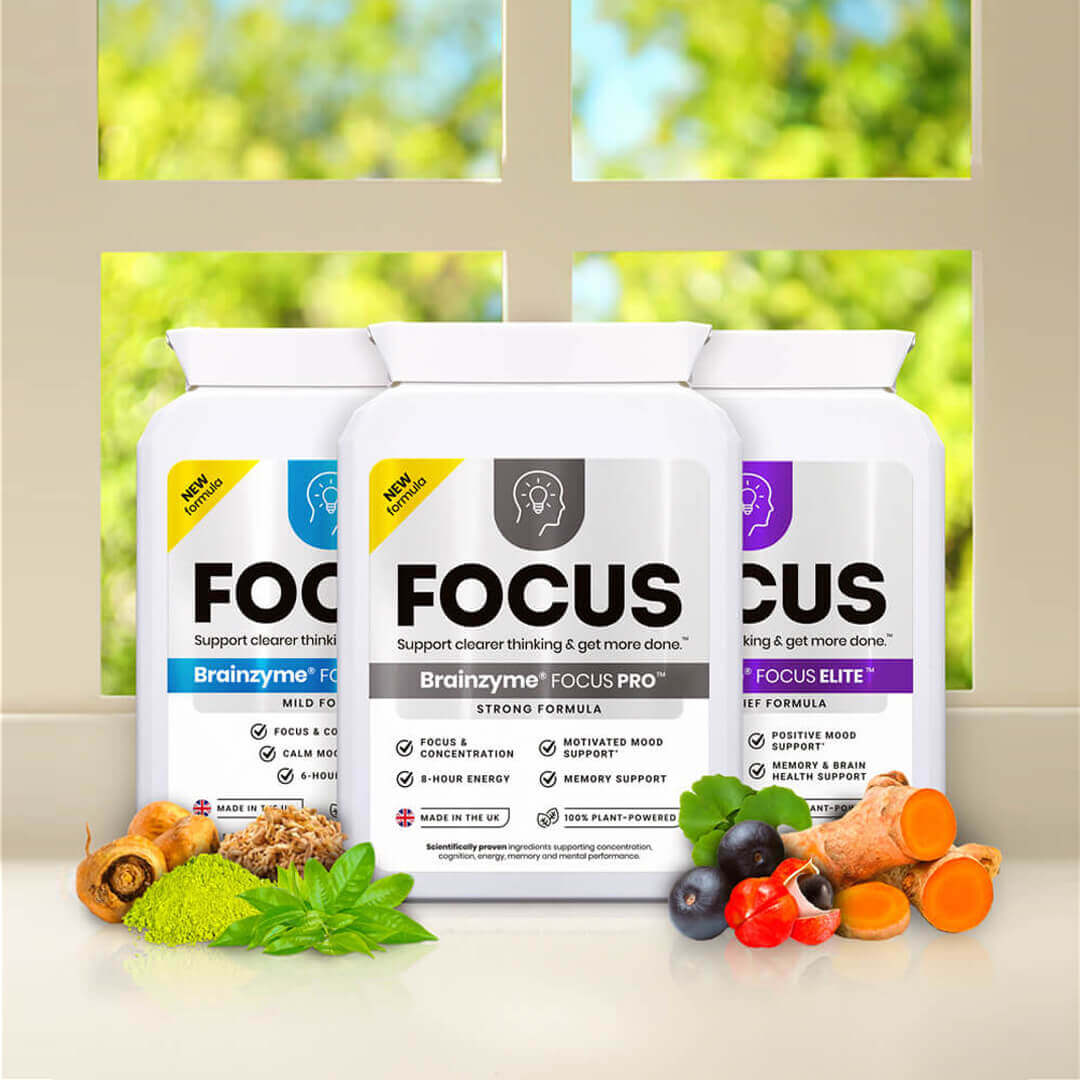
For extra support with focus and concentration during your study sessions, Brainzyme offers scientifically proven plant-powered focus supplements designed to help you stay sharp and productive.
Visit www.brainzyme.com to discover how our natural supplements can enhance your learning journey.