
 DACH
DACH
 FR-BE
FR-BE
 US-CAN

Welcome to the space between too easy and too hard—your learning sweet spot. This is where genuine progress happens, not in endless perfection or constant failure, but in that productive middle ground where small mistakes become your greatest teachers. If you never stumble, you're not stretching. If you always stumble, you're overwhelmed. The magic lives in between.
Recognise Overwhelm
When you're staring at material that feels impossibly complex, your brain sends a clear signal: you're in over your head. Overwhelm isn't a character flaw—it's feedback telling you the difficulty dial is turned up too high. Think of it like trying to lift a weight that's far too heavy. You can't move it, and forcing it only leads to injury.
Signs you've crossed into overwhelm territory:
- You can't identify where to start
- Every attempt feels like drowning in information
- Frustration replaces curiosity
- You avoid the task entirely
The fix isn't to push harder through gritted teeth. It's to step back and break things down into manageable pieces.
Avoid Boredom
On the flip side, if you're cruising through material with zero challenge, you're not learning—you're just going through the motions. Your brain needs resistance to build new connections, just like muscles need weight to grow stronger.
Boredom signals you're playing it too safe:
- You can predict every answer before you think
- The work feels monotonous and meaningless
- Your attention drifts constantly
- You complete tasks on autopilot
Perfect performance sounds impressive, but it's actually a red flag. If you never stumble, you're practicing what you already know, not learning what you don't.
Adjust the Difficulty
Here's where you take control and become the architect of your own learning experience. The right challenge level is different for everyone and changes as you progress. You need to actively shape it.
Practical ways to find your sweet spot:
- Break massive tasks into smaller, manageable chunks
- Add or remove complexity based on your performance
- Vary the amount of support you use (notes, hints, guidance)
- Aim for roughly 85% success rate—mostly wins with some instructive misses
- Adjust as you go, like fine-tuning an instrument
When you shape your practice deliberately, you create conditions where mistakes are frequent enough to teach you, but not so overwhelming that they discourage you. It's the Goldilocks zone of learning.
Embrace Small Mistakes
This is the mindset shift that changes everything. When you stop treating errors as personal failures and start seeing them as useful data, learning accelerates dramatically.
A mistake tells you exactly where your understanding needs work. It highlights the specific gap between what you know and what you're trying to master. That's incredibly valuable information—feedback you can actually use.
Reframe your relationship with getting things wrong:
- Circle errors with curiosity, not shame
- Ask 'what can this teach me?' instead of 'why did I fail?'
- Use each miss to guide your next attempt
- Celebrate the learning moment, not just the correct answer
The lightbulb moments you're chasing? They happen when you're challenged enough to stumble occasionally—because that's precisely when your brain has to adapt, reorganise, and grow.
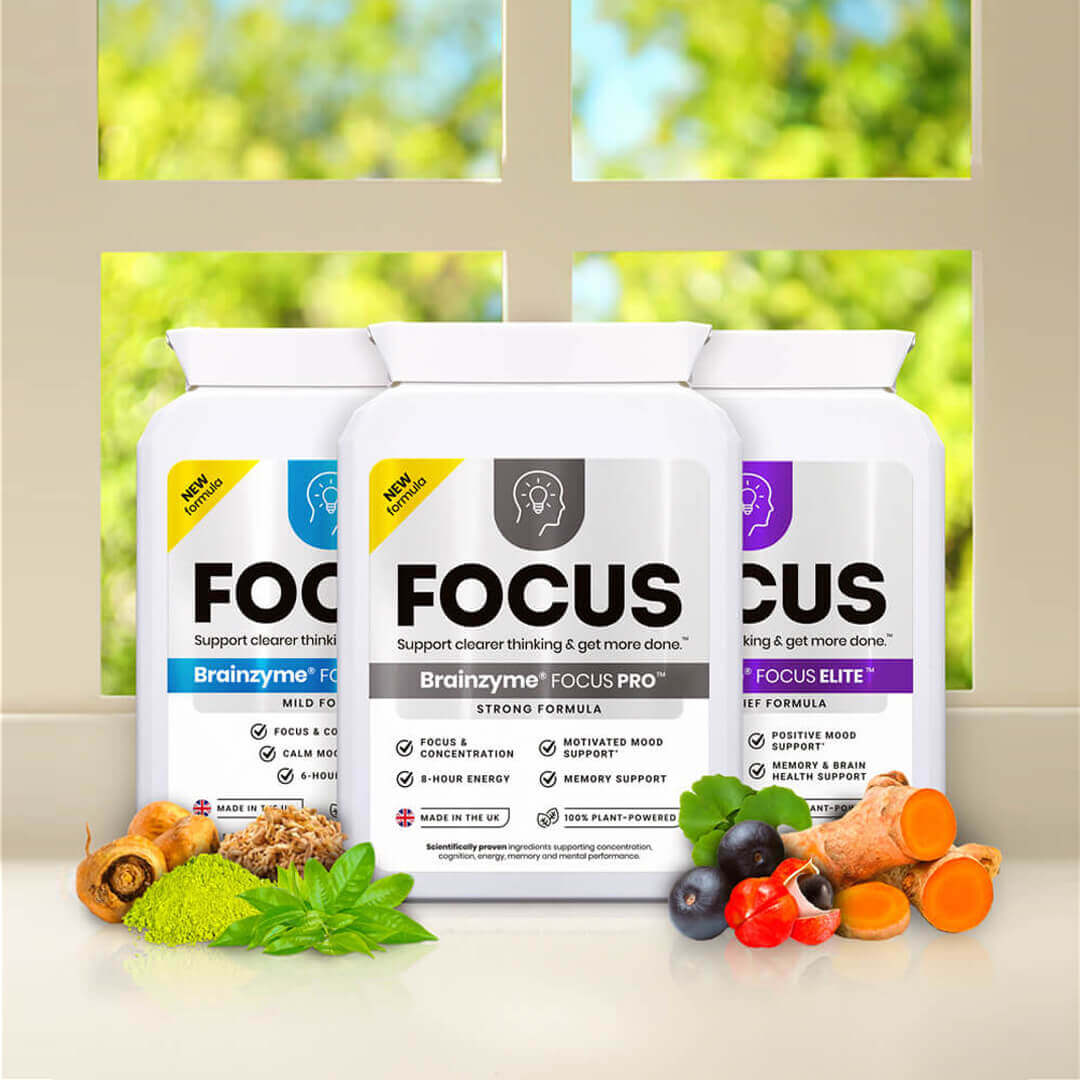
Finding your learning sweet spot requires sustained focus and mental clarity. Sometimes your brain needs extra support to maintain that productive challenge level where real learning happens. Brainzyme's scientifically proven plant-powered focus supplements are designed to help you stay in that optimal zone where mistakes become progress.
Discover how Brainzyme can support your study success at www.brainzyme.com