
 DACH
DACH
 FR-BE
FR-BE
 US-CAN

That lightbulb moment when a paragraph suddenly makes perfect sense? That's what real comprehension feels like. Most students chase that clarity by rereading endlessly, but there's a sharper approach. By learning to identify and work with just a handful of pivotal words, you can read faster, retain more, and understand deeply—all without the exhausting word-by-word grind.
This quick technique transforms how you interact with text. Instead of passively absorbing every syllable, you become an active hunter for meaning. Let's walk through the four simple steps.
Read the Paragraph
Before you start circling anything, read the entire paragraph at your normal pace. Don't slow down or overthink it yet. Just let the words flow and get a feel for the overall message.
This first pass isn't about perfection. You're simply setting the stage and allowing your brain to grasp the general territory. Think of it as a reconnaissance mission. You're scanning the landscape before deciding which landmarks matter most.
Circle Key Words
Now for the magic. Reread the paragraph, but this time with a pen in hand. Your mission is to circle just 3 to 7 pivotal words—the ones that carry the real weight of the idea.
Picture a paragraph like a backpack: some items are essential for the journey, whilst others are just nice-to-have padding. The pivotal words are your essentials. Look for:
- Meaningful nouns (the 'who' or 'what')
- Strong verbs (the action or change)
- Concepts that move the idea forwards
Let the small connector words blur into the background. Words like 'the', 'and', 'because'—they're useful glue, but they're not the structure. When you focus on the heavy hitters, you naturally start reading in phrases where the ideas actually live, rather than stumbling over each individual word.
Cover & Think
This is where the real learning happens. Cover the paragraph completely. Don't peek. Now, using only those circled words as your mental anchors, try to reconstruct what the paragraph was about.
Pause and think. Can you see the main idea forming in your mind? This step forces your brain to shift from passive recognition to active recall. It's challenging at first, and that's precisely the point. If you struggle here, you've probably circled filler words. Adjust your selections and try again.
This mental effort is what transforms reading from simply seeing words into truly understanding concepts.
Retell the Idea
Now retell the paragraph's main point out loud or write it in one sentence using your own words. Not the author's exact phrasing—yours. If you can do this smoothly, congratulations. You've just proven you understand the idea, not just the words.
When you retell from pivotal words, something shifts. Your eyes start to glide more naturally across the page. Your inner voice quiets down. The main ideas stick without endless rereading. You're catching meaning, not just chasing words.
Use this technique as a spot-check every few pages, or keep a running list of pivotal words to guide your focus. You'll notice your comprehension improving and your reading speed increasing—all because you're finally working with how your brain naturally wants to process ideas.
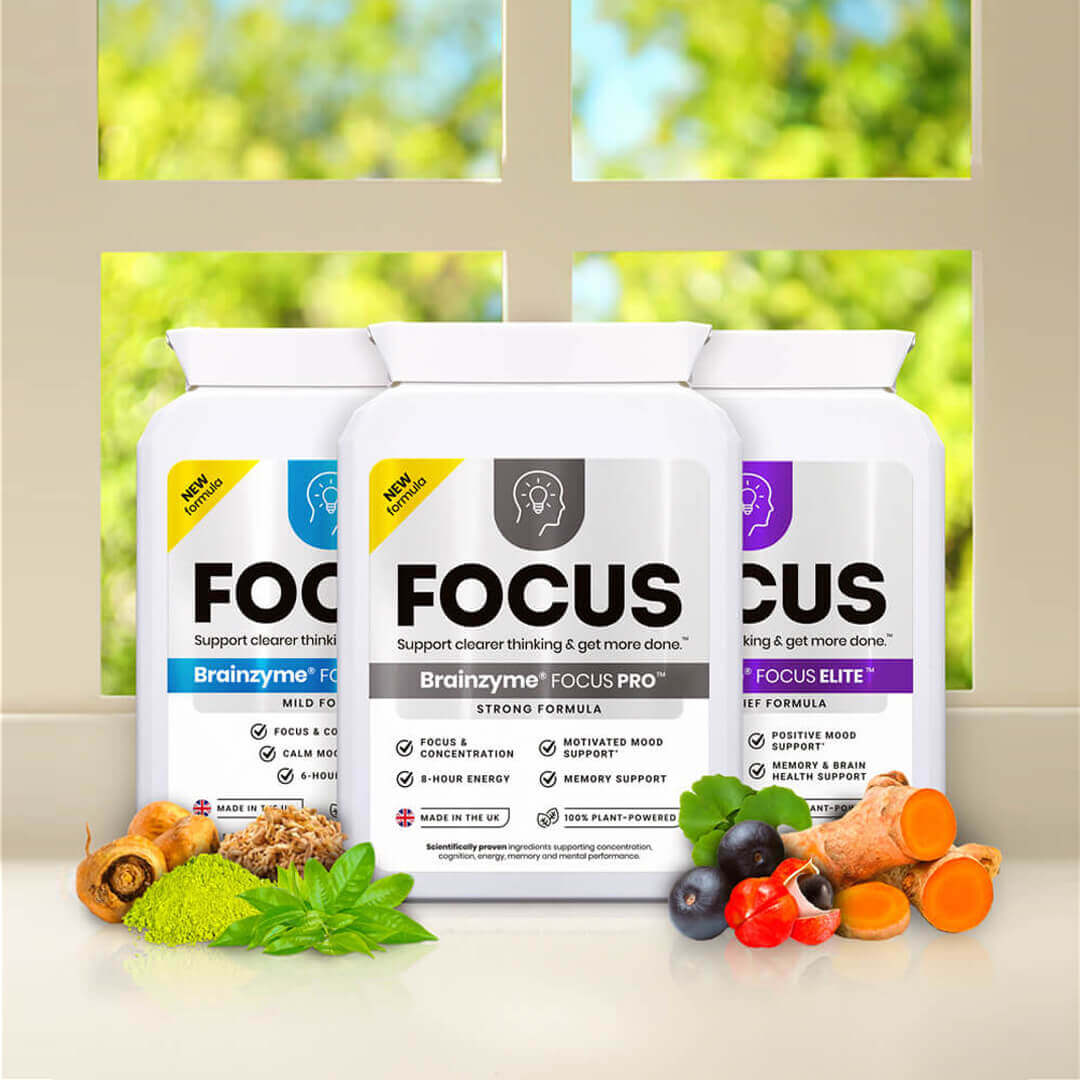
Of course, even the sharpest reading techniques work best when your mind is genuinely clear and focused. That's where Brainzyme's scientifically proven plant-powered focus supplements come in, supporting your natural concentration so you can make the most of every study session.
Ready to discover how Brainzyme can enhance your focus? Visit www.brainzyme.com to explore how our products work and find the perfect match for your study goals.