
 DACH
DACH
 FR-BE
FR-BE
 US-CAN

Picture this: You're staring at a textbook where nearly every sentence is drowning in yellow highlighter. The page looks 'important', but you can't remember what you just read. Sound familiar? The real structure of a chapter—the skeleton that holds everything together—lives in just a handful of pivotal words. Once you master the 10-word chapter outline method, you'll never waste time on textbook overload again.
Why Most Students Waste Time on Textbook Details
Think of a chapter like a house. Most of the words are decorative paint—nice to have, but they're not the structure. The actual framework lives in the key nouns and verbs that carry the core message. When you highlight everything, you're essentially painting over the blueprints. The secret to efficient studying is learning to spot those structural words first, then filling in the details only where they matter.
Preview: Find the Chapter's Big Picture
Before you dive into dense paragraphs, take two minutes to preview. Here's what to look for:
- The chapter title and all subheadings
- The first sentence after each heading
- Any bold or italicised terms
You're hunting for the big point of each section. What's the author trying to prove? What's the main argument? This quick scan gives you the chapter's roadmap before you commit serious time to reading.
Scan for Pivotal Words That Carry Meaning
Now skim through the text and create a short list of 'heavy hitters'. These are usually the meaningful nouns and verbs—the words that actually carry the chapter's core ideas. Ignore tiny connector words like 'the', 'and', or 'because'. They don't change the meaning; they just link the important bits together.
As you scan, ask yourself: 'Which words would I need to explain this chapter to someone in under a minute?' Those are your pivotal words.
Build Your 10-Word Chapter Skeleton
From your short list of heavy hitters, select around ten words that tell the chapter's core story. Don't stress about getting to exactly ten—the constraint is simply there to force you to be ruthless. If you find yourself with twelve words, brilliant. If you've only got eight, that's fine too.
Write these words as a simple one-line outline in your own phrasing. This is your chapter skeleton—the backbone you'll use to guide your actual reading.
Read With Purpose Using Your Outline
Here's where the magic happens. Now that you've identified the skeleton, read the chapter with real focus. Your brain already knows the structure, so your eyes naturally jump to the parts that matter. You won't get stuck re-reading lines that don't change the main idea, and you'll spot connections faster because you're looking for them.
Refine and Remember
After you finish reading, check your skeleton. Did the author emphasise something different than you predicted? Add or swap a word if needed. In just a few tries, you'll be sketching chapter outlines in seconds—and remembering their big ideas without even trying.
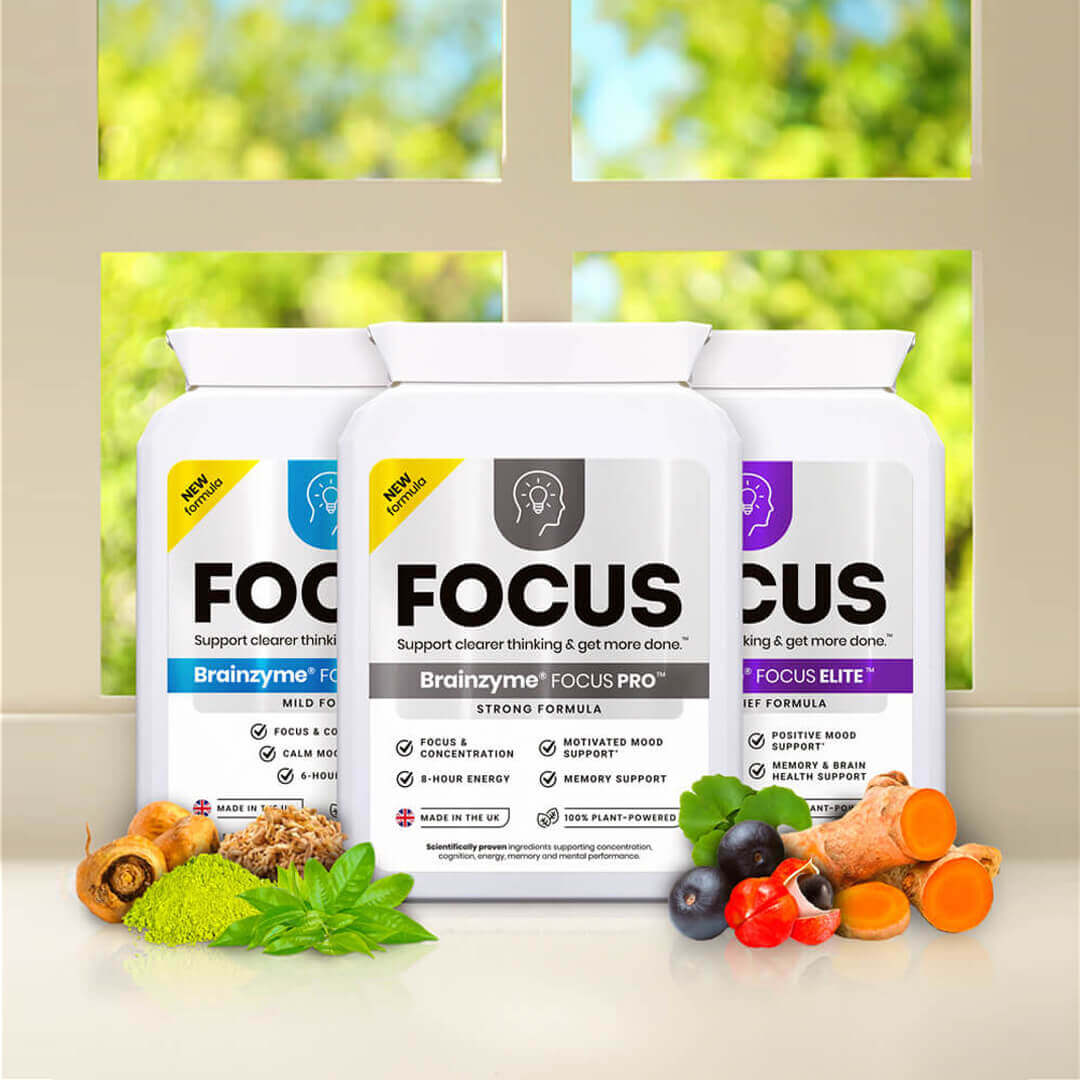
If studying still feels like an uphill battle even with the best techniques, you might benefit from extra support. Brainzyme offers scientifically proven plant-powered focus supplements designed to help you stay sharp and motivated through even the toughest study sessions.
Discover how Brainzyme can support your learning journey at www.brainzyme.com.