
 DACH
DACH
 FR-BE
FR-BE
 US-CAN

Welcome to the solution for those 'where is it?' moments that derail your entire day. If you've ever found yourself frantically searching for your charger, keys, or that one notebook, you're experiencing what neurodivergent brains know too well. The pre-packed kit strategy transforms panic into calm confidence by making starting automatic, not aspirational.
Why You Keep Forgetting: The Real Problem
Here's what's actually happening: it's not a memory issue, it's an implementation gap. You have solid plans and genuine motivation, but when the moment to act arrives and something's missing, that motivation vanishes. You were ready to tackle that project, but without your laptop charger, the whole plan collapses.
This isn't a character flaw or laziness. It's a simple design problem. Your environment isn't set up to support action at the critical moment. When your brain is ready to go but your tools aren't, the friction becomes overwhelming. That's the exact point where good intentions get abandoned.
The Pre-Packed Kit Strategy That Changes Everything
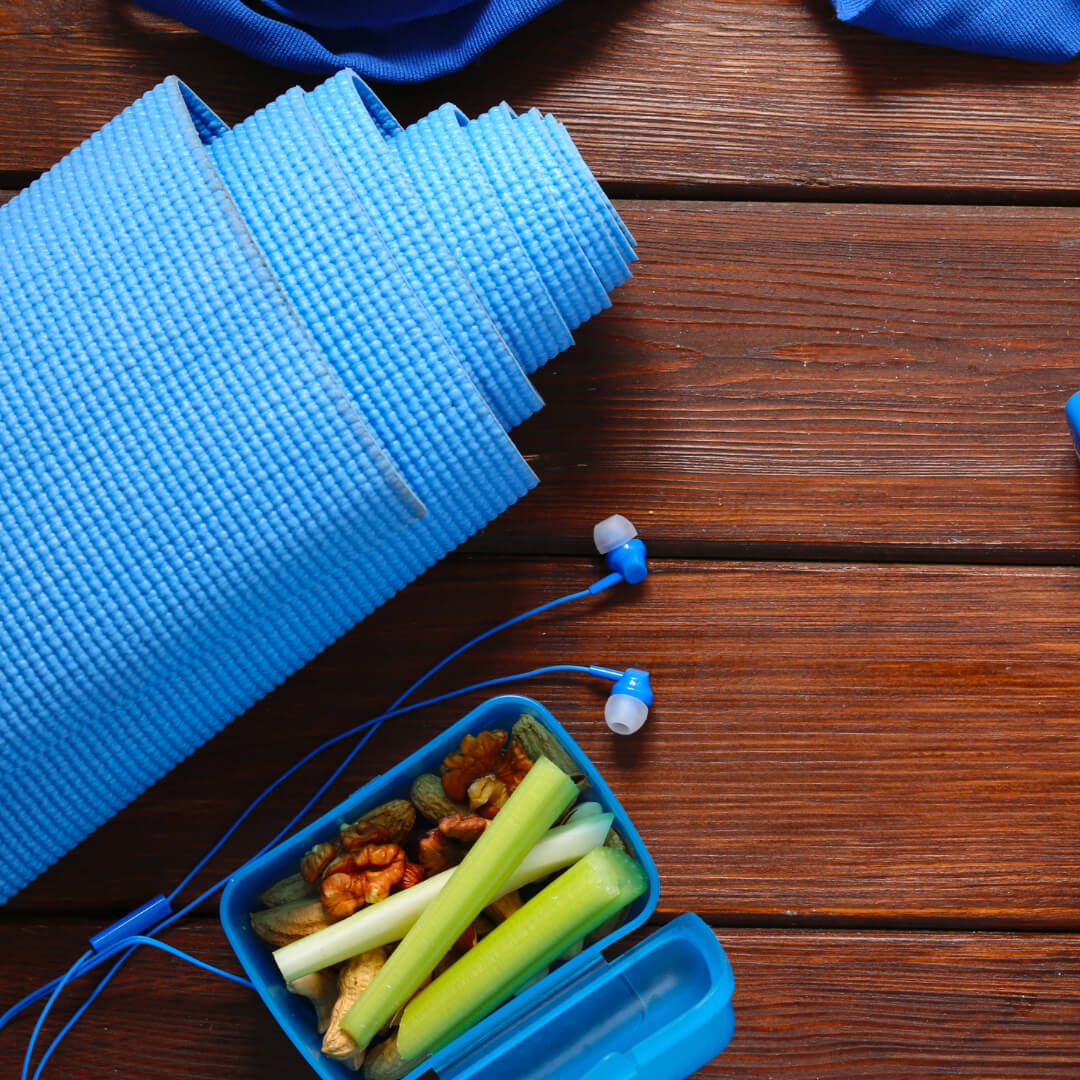
Think of pre-packed kits as 'micro-insurance' against start friction. Just as keeping an umbrella by the door means you'll actually use it when it rains, having a ready-to-go kit means you'll actually start when the moment arrives. No scavenger hunt, no excuses, just begin.
Here's what works in practice:
- Create task-specific kits for your most common activities
- Work-bag kit: charger, pen, notebook, headphones, business cards
- Bill-pay station: envelopes, stamps, calculator, checklist
- Study basket: highlighters, sticky notes, timer, water bottle
- Morning routine tray: vitamins, hair ties, lip balm, daily checklist
The crucial part? Keep duplicates where you actually use them, not where you traditionally 'store' them. One phone charger lives on your desk permanently. One lives in your bag permanently. Stop moving things around.
How to Build Your First Kit in Three Simple Steps
Start small and targeted. Pick one problem area that derails you at least weekly. Maybe it's leaving for work, starting your evening routine, or beginning study sessions. Choose just one.
Label your kit with the first physical action, not the goal. Write 'Open laptop and plug in' or 'Check due dates, set 10-minute timer' right on the container. You're not just organising objects—you're pre-deciding the very first move so your brain doesn't have to.
Place the kit exactly where the action happens. Your work kit lives inside your bag, not on a shelf waiting to be transferred. Your morning routine kit sits on the bathroom counter, not hidden in a cupboard. Location is everything.
The Self-Trust Deposit That Builds Over Time
Each time you act without scrambling, you're making a small deposit in self-trust. These deposits accumulate. The more your environment supports the start, the less you have to rely on motivation or willpower in the moment. That's the quiet transformation: good intentions turning into actual follow-through because the path of least resistance leads to action.
Think of your bag like a video game inventory—when you're always 'equipped' with what you need, you don't waste energy on crafting sessions mid-quest. You just play.
These neurodivergent organisation strategies work with your brain's natural patterns, not against them. At Brainzyme, we understand that environmental supports and scientifically proven plant-powered focus supplements work best together to help you turn planning into consistent action.
Discover how our complete approach can support your attention and follow-through at www.brainzyme.com.