
 DACH
DACH
 FR-BE
FR-BE
 US-CAN

Have you ever felt paralysed by the sheer number of choices in your daily routine? That feeling of overwhelm isn't weakness—it's your brain protecting itself from decision fatigue. Minimalism offers a powerful solution for neurodivergent minds: when you have fewer things to manage, you have more mental energy for what truly matters.
Why Every Extra Item Costs You Mental Energy
Think of your brain like a computer with limited RAM. Every object you own, every step in your routine, every choice you face takes up processing power. That bathroom counter overflowing with half-empty bottles? Each one represents a micro-decision: 'Which moisturiser today? Is this one better? Should I try that new serum?' These tiny choices add up fast.
When you simplify your environment, you're not just tidying—you're actively reducing the cognitive load on your brain. Fewer items mean fewer decisions. Fewer decisions mean more energy left over for focus, creativity, and the things you genuinely care about. It's not about living like a monk; it's about designing your space to work with your brain, not against it.
Start Small: The One-Hotspot Method
Forget transforming your entire life overnight. Instead, identify one single hotspot—a place where clutter and complexity regularly slow you down. Here are some high-impact examples:
- Morning coffee station: Keep only your favourite mug, your preferred coffee, and one sweetener. Store everything else elsewhere. No more deciding between five different mugs or three types of sugar.
- Go-bag for leaving the house: Pre-pack a small bag with your essentials: keys, wallet, phone charger, tissues. Leaving becomes one action: grab the bag.
- Digital workspace: Choose one calendar app, one to-do list, one note-taking tool. Multiple systems create confusion and guarantee nothing gets updated.
The goal is simple: make the right choice the obvious choice. When there's only one option, your brain doesn't have to waste energy deciding.
Minimalism is a Practice, Not a Destination
Here's the truth: minimalism for focus isn't about achieving a magazine-perfect home. It's about continuous small adjustments that make your daily life easier. Some days you'll add things back. Some weeks you'll let clutter creep in. That's completely normal.
What matters is the habit of noticing when something creates friction. Does keeping three planners help you plan better? Or does it just mean you never know where you wrote that important date? If an object or system adds confusion rather than clarity, it's costing you more than it's worth.
Start today with one tiny simplification. Remove one product from your skincare routine. Delete one duplicate app from your phone. Choose one designated spot for your house keys. You'll breathe easier almost immediately—and you can build from there, one small decision at a time.
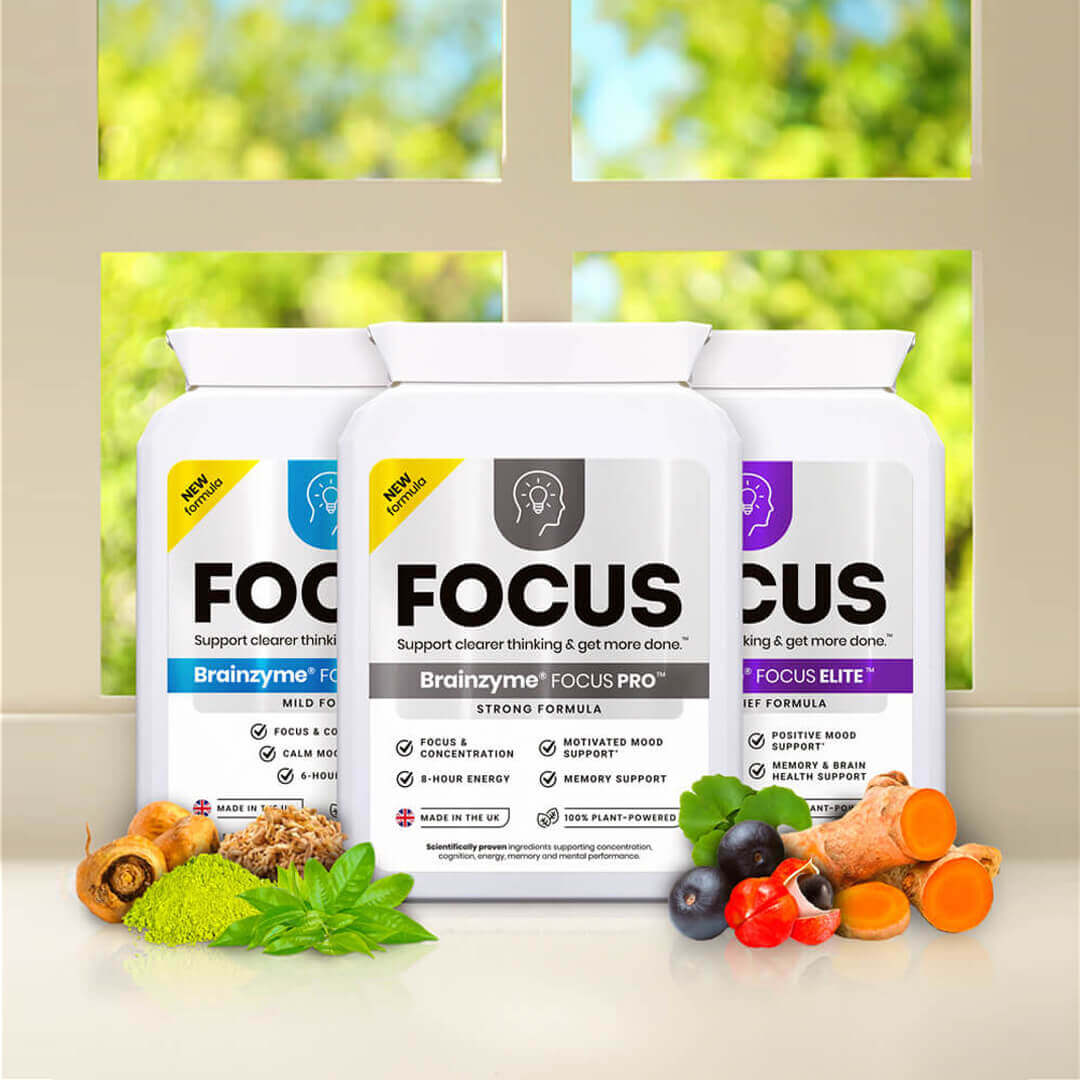
Simplifying your environment is powerful, but sometimes your brain needs extra support to maintain focus throughout the day. That's where Brainzyme comes in. Our scientifically-proven plant-powered focus supplements are designed to help you stay clear-headed and productive, even when life gets complex.
Ready to discover how Brainzyme works? Visit www.brainzyme.com to explore our natural focus solutions and find the right support for your brain.