
 DACH
DACH
 FR-BE
FR-BE
 US-CAN

When your attention is pulled in ten directions at once, even choosing your next book can feel like an impossible task. You stare at recommendations, scroll through endless lists, and still can't decide where to begin. Here's your solution: use the bibliography inside the book you've just finished as your ready-made roadmap. In minutes, you'll go from 'Where do I start?' to 'I've got a clear plan'.
Find the Bibliography
Most non-fiction books include a bibliography or recommended reading list at the back. This isn't just a formality - it's a curated selection of resources the author trusts. For neurodivergent readers who struggle with decision fatigue, this is gold. The hard work of filtering hundreds of options has already been done for you.
Turn to that section right now. You'll often find:
- General overviews perfect for understanding the big picture
- Guides written specifically for parents or carers
- Practical resources about treatments and strategies
Because the list is already sifted by experts, you can trust these picks without second-guessing yourself.
Choose Just Three
Here's where you take control. Think of the bibliography like a restaurant menu with different sections. Your job isn't to read everything - it's to select three titles that match your current needs.
Try this approach:
- Pick one general book to get the broader context
- Choose one parent-focused title if you're supporting a child
- Add one practical guide that answers your most pressing questions
Three choices keep your plan simple, doable, and focused. Any more and you risk recreating the overwhelm you're trying to escape.
Write Your Plan
Make it tangible. Write your three titles on a sticky note, create a note in your phone, or add them to a reading tracker. The physical act of writing transforms vague intentions into concrete next steps.
Set yourself up for success:
- Commit to reading one chapter a day, or set a small weekly target
- Keep your list visible where you'll see it regularly
- Give yourself permission to swap a title if it doesn't click after a few pages
Remember, adjusting your plan isn't failing - it's tailoring your learning journey to what actually works for you.
Start Reading
Now comes the satisfying part. Pick up that first book and begin. You're not drowning in options anymore. You've got a clear, manageable roadmap that respects your attention and energy.
By turning one bibliography into a small, focused plan, you learn steadily without getting overwhelmed. A tiny roadmap beats a massive to-read pile every single time. Start with three, finish one, then refill your list from the same trusted source.
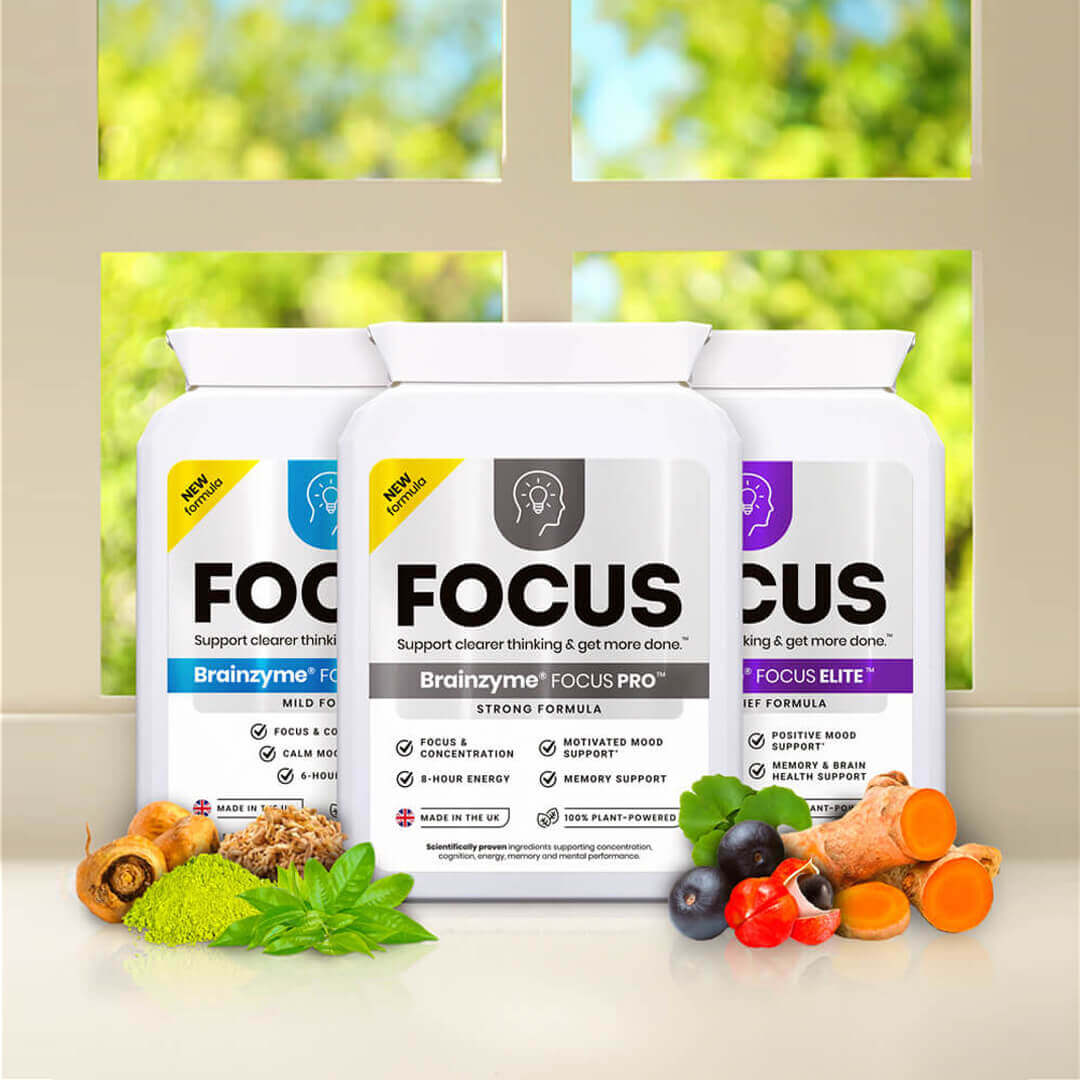
This simple strategy transforms how you approach learning - and it's just one way to work with your brain, not against it. At Brainzyme, we understand the challenges of maintaining focus in a world full of distractions. Our scientifically proven plant-powered focus supplements are designed to support your natural attention and help you stick to plans like this one.
Discover how Brainzyme works and find the right formula for your needs at www.brainzyme.com.