
 DACH
DACH
 FR-BE
FR-BE
 US-CAN

If your only emotional labels are 'happy', 'sad', and 'ugh', it's incredibly difficult to figure out what you actually need. A feelings menu is a short, personalised list of emotion words that truly fit you and your experiences. With more precise language, you unlock better options—because you can finally identify what you're genuinely dealing with.
Why You Need More Than Three Emotion Words
Imagine trying to fix a car with only a hammer. That's exactly what it's like to manage your emotional world with just two or three vague words. When your emotional vocabulary is limited, you're essentially working blind.
Here's what happens when you expand your emotional language:
- You move from 'I feel bad' to 'I'm feeling restless' or 'I'm feeling uncertain'
- You can distinguish between overwhelmed, frustrated, and anxious
- You stop lumping all negative feelings into one unhelpful category
When you can pinpoint 'restless' instead of just 'sad', the next step becomes obvious: perhaps you need movement or a change of scenery, not a pep talk or comfort food.
Building Your Personal Feelings Menu
Creating your feelings menu is refreshingly simple. Start with a short list of emotion words that resonate with your actual experience. Don't overthink this—aim for 8 to 12 words that genuinely describe states you recognise in yourself.
Consider including words like:
- Restless, overwhelmed, lonely, uncertain, anxious
- Hopeful, energised, content, curious, calm
- Frustrated, irritated, disappointed, worried
The key is choosing words you'll actually use. This isn't about creating a clinical dictionary—it's about building a practical tool that works for you. If 'meh' genuinely captures a feeling state you experience, add it to your menu.
How to Use Your Feelings Menu Daily
Keep your feelings menu somewhere visible and accessible. A sticky note on your desk, a note in your phone, or a card in your wallet all work brilliantly. The goal is easy access when emotions surge.
When feelings arise:
- Glance at your menu and pick the closest match
- Don't aim for perfection—approximation is enough
- Notice what response that specific emotion suggests
This practice isn't about perfect emotional diagnosis. It's about getting from 'I feel awful and don't know why' to 'I know what's happening and what might actually help.' That shift changes everything.
The Long-Term Benefits of Emotional Precision
The more you use your feelings menu, the more natural and intuitive it becomes. You'll start spotting patterns faster: 'I always feel restless after three hours at my desk' or 'I get overwhelmed when I skip breakfast.' These insights are gold.
With clearer emotional language, you can:
- Respond in ways that genuinely work for you
- Communicate your needs more effectively to others
- Build strategies that address specific feelings, not vague moods
Better words genuinely lead to better choices. Better choices lead to better days. It's that simple.
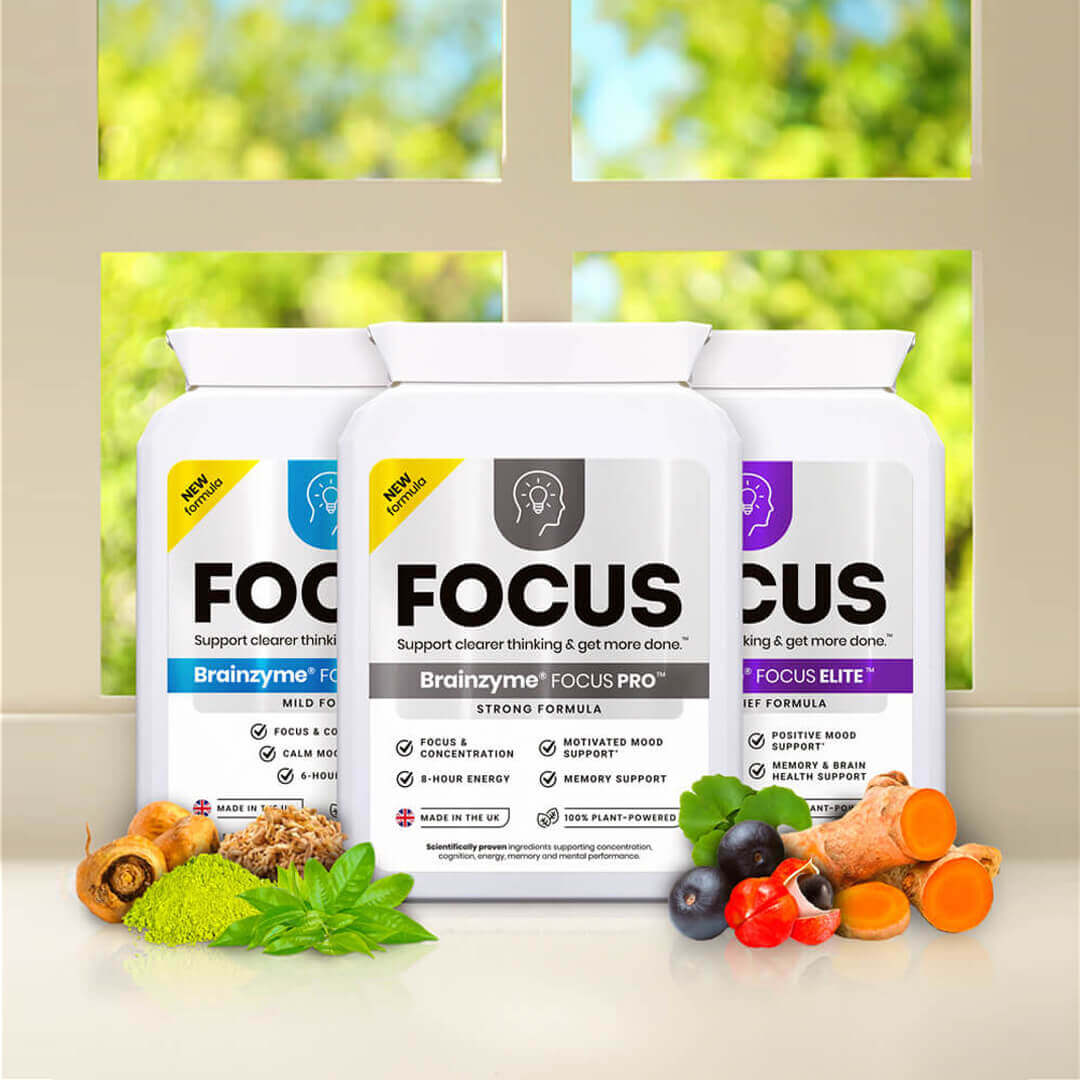
At Brainzyme, we understand that emotional clarity is just one piece of the focus puzzle. Our scientifically proven plant-powered focus supplements are designed to support neurodivergent individuals in achieving better concentration and mental clarity throughout their day.
Discover how Brainzyme works and find the right formula for your needs at www.brainzyme.com.